Carnegie Moscow Center

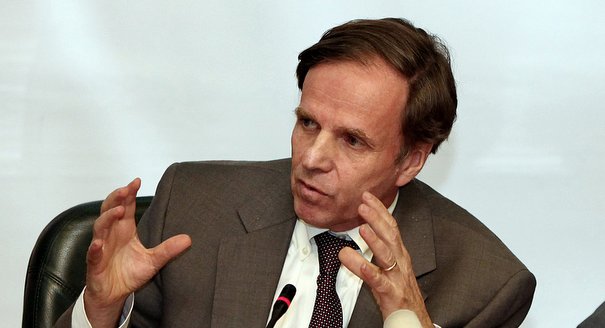
After nearly four years of active work seeking to advance U.S. government support for democracy and human rights abroad, Assistant Secretary Michael H. Posner is leaving the Obama administration.
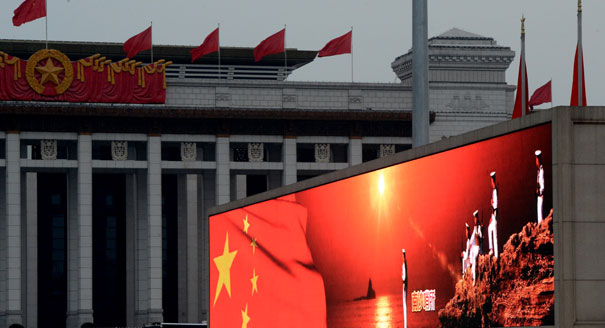
As China becomes an increasingly important global player, defining the country’s foreign policy, especially toward Japan and other countries in the region, will become an increasingly important task for China’s policymakers.
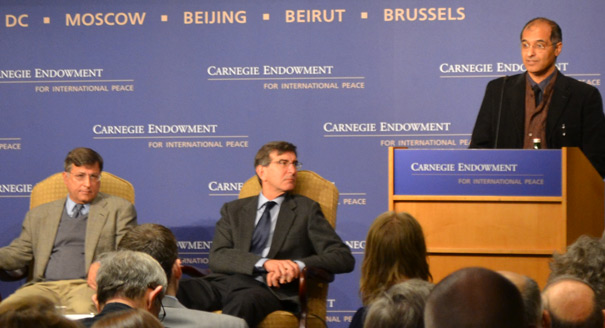
The nuclear landscape in South Asia is dynamic, a complex mixture of politics, technology, and emotion. Analysis of these issues is often overshadowed by partisanship and hyperbole.
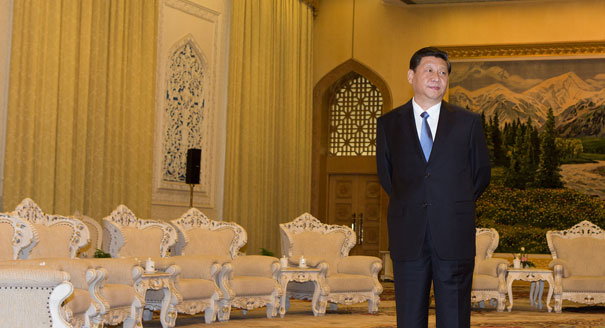
In a G-Zero world, how will great powers and smaller states adapt?

To her supporters Hillary Clinton was one of the great secretaries of state in the modern era, while to her detractors she left office without any major foreign policy achievements.
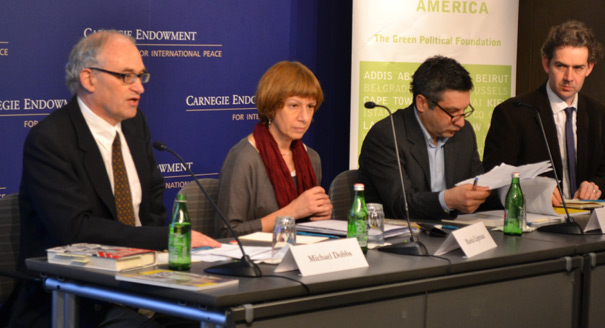
Sixty years after his death on March 5, 1953, Joseph Stalin still commands worryingly high levels of admiration in the post-Soviet space.
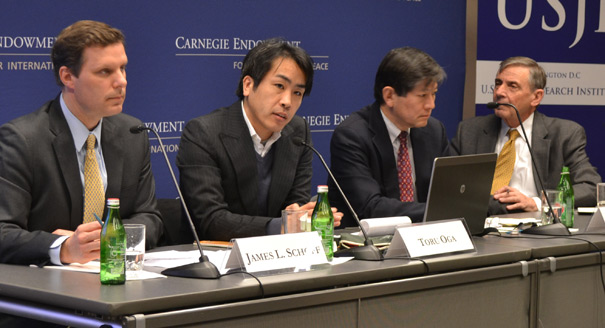
The importance of Asia in U.S. foreign policy continues to grow, and so, too, have questions on the future role of the U.S.-Japan alliance in the region.
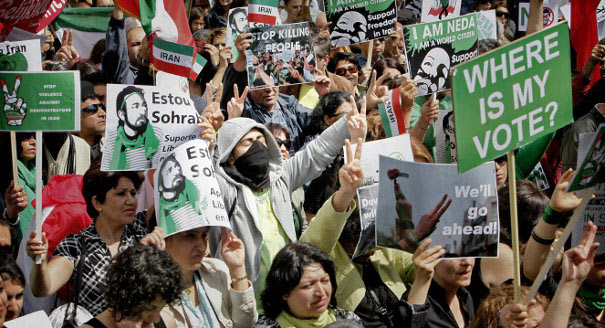
For the first time on film, six victims of Iran’s torture chambers speak. These are not criminals, but acclaimed writers, journalists, and scholars.
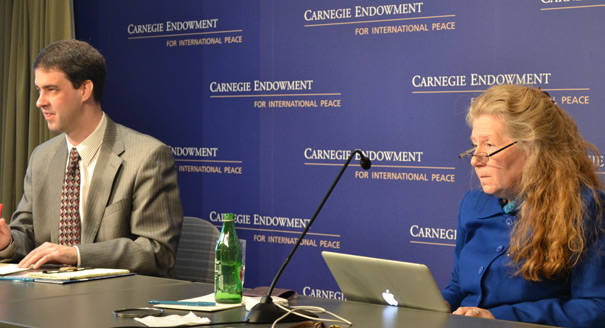
China’s relations with the developing world are based on what China calls “South-South, win-win complementarity.”
Georgia’s new government has said that the rule of law is one of its top priorities.