Carnegie Moscow Center

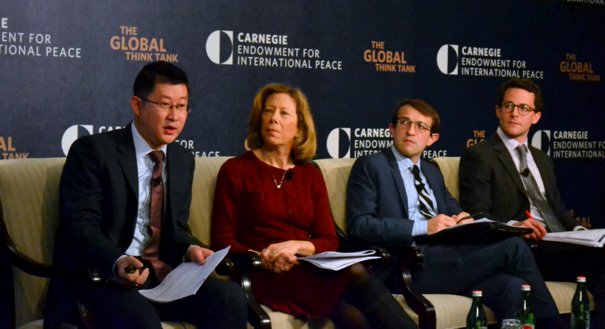
Different oils have different environmental impacts, as do their products. These must be taken into account when writing energy policies.
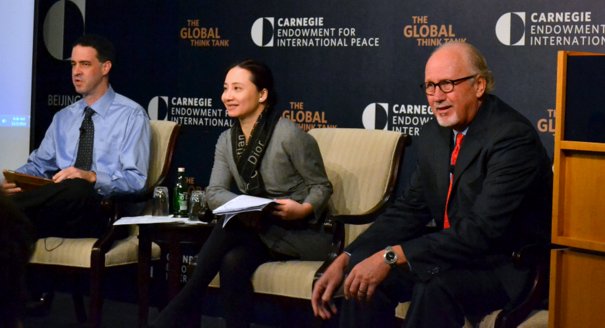
The development of technologies to extract unconventional resources such as shale oil have led to low global crude prices. This constitutes a global oil paradigm shift.
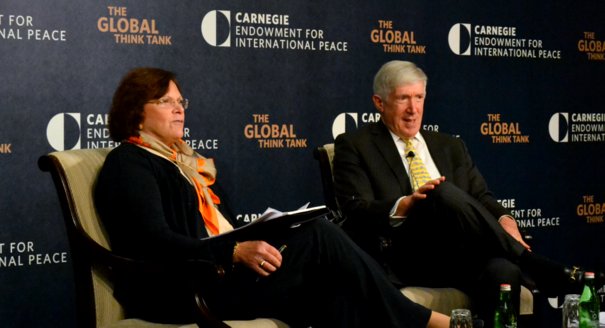
China and the United States have multiple fronts for cooperation, including trading technology, the role of their navies in the international oil trade, domestic energy security, climate change issues, and dealing with other actors such as Afghanistan and Iran.
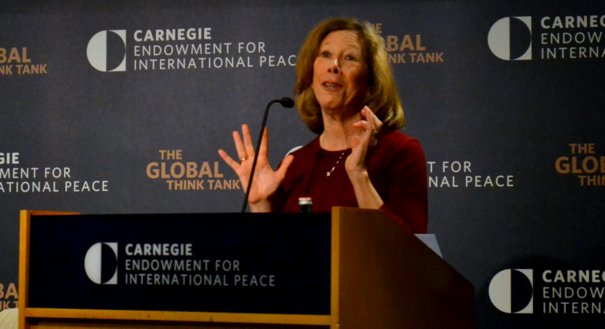
With China’s economy slowing after decades of double-digit growth, now is the time to think strategically about how the nation will deal with its physical resource limitations, their associated environmental concerns, and oil’s evolving geopolitical realities. The China Oil Forum will engage key thinkers, policymakers, and civil society in a discussion about these strategic questions.
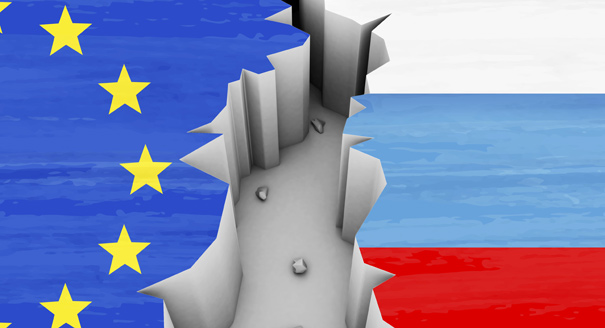
The cooling of relations between Russia and the West has been the most important geopolitical event of 2014 for Europe. So what are the prospects for Western-Russian ties in 2015?

Stakeholders in Iranian nuclear negotiations must manage their strategic considerations to preserve Tehran’s right to produce nuclear energy while also reducing the program’s military potential.
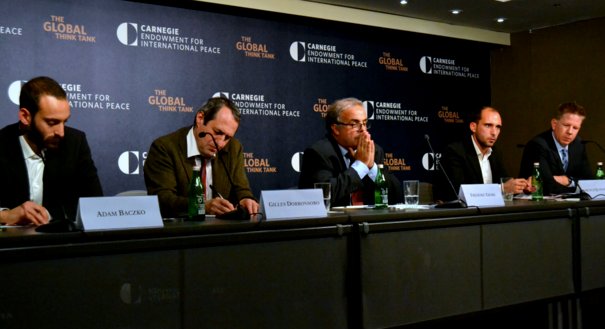
How has U.S. policy failed to anticipate current developments of jihadist movements from Afghanistan to Syria?
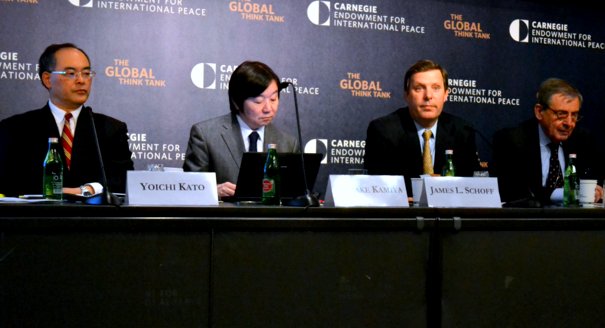
The United States and Japan are entering the critical final phase in revising their guidelines for defense cooperation.

As interactions between China and African countries grow, observers see potential for the cooperative relationship to revitalize Africa and promote much-needed economic development.

With a new EU foreign policy high representative coming into office, it is high time for the EU to become the strategic actor it has set out to be.