Carnegie Moscow Center

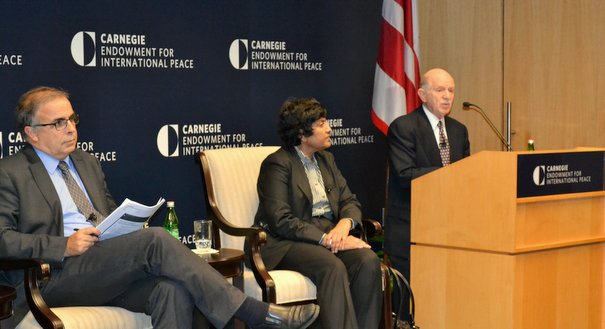
As the deadline for withdrawal of U.S. troops in Afghanistan approaches, Afghanistan’s neighbors will have a greater impact on shaping the country’s uncertain future.
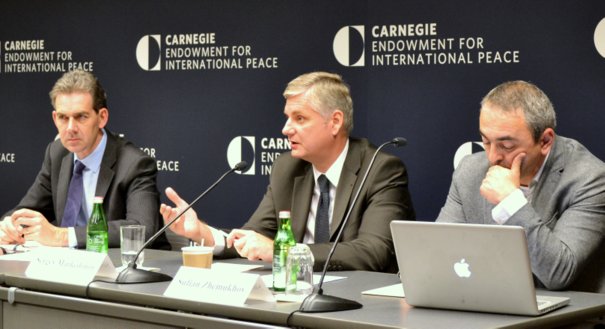
The North Caucasus may be out of the headlines, but it remains the most turbulent part of the Russian Federation.
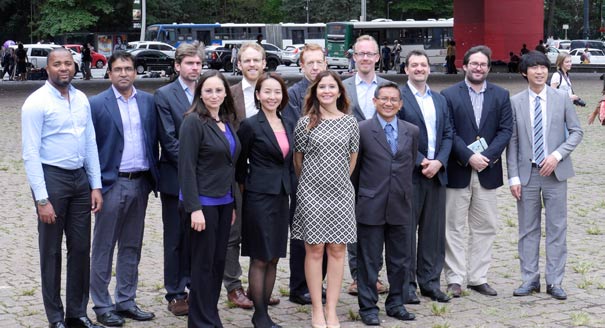
Carnegie’s Rising Democracies Network met in Brazil to engage with local and regional actors and exchange ideas for cooperation toward international democracy and human rights support.
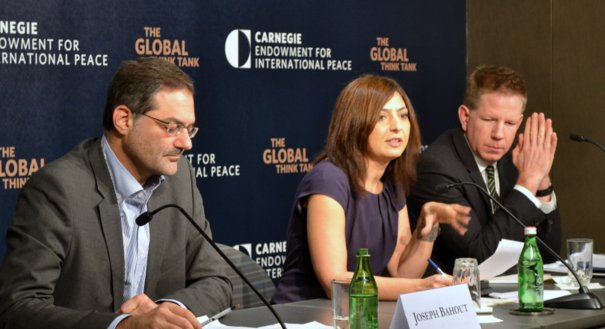
From humble beginnings in the 1980s, Hizbullah’s political clout and public perception have trended upward, thanks to a communications strategy that has adapted to changes in the local and regional environment.
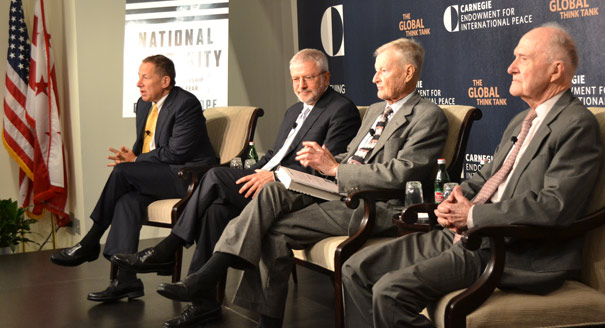
From the Middle East to Eastern Europe, crises grip the globe. A growing group of rivals and dangerous non-state actors now pose an array of new threats to the international order.
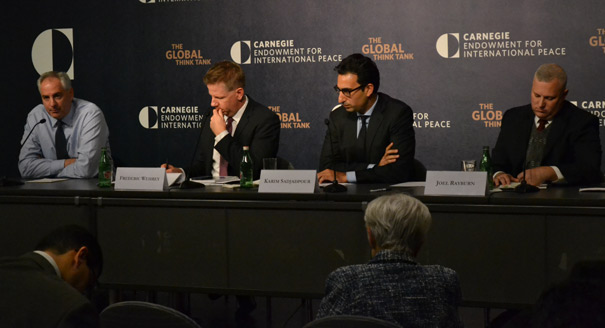
This panel assessed Iranian interests and influence in the region in the context of the fight against the Islamic State and the continuing Syrian civil war.
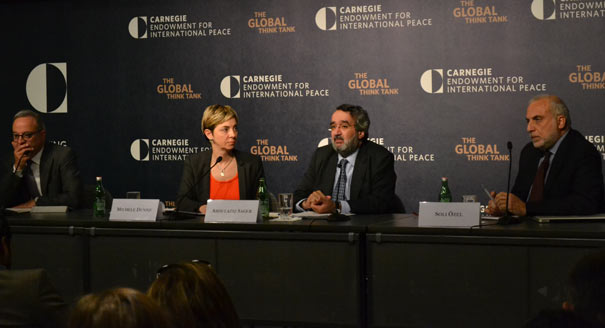
This panel examined the role of the Gulf States, Jordan, and Turkey in the international coalition against the Islamic State
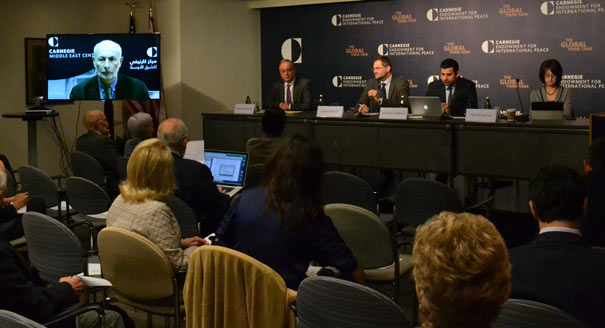
This panel considered the political, security, and humanitarian situation in Iraq, Syria, and Lebanon and the threat posed by the rise of Salafist jihadist groups including the Islamic State, Al Nusra, and other groups.
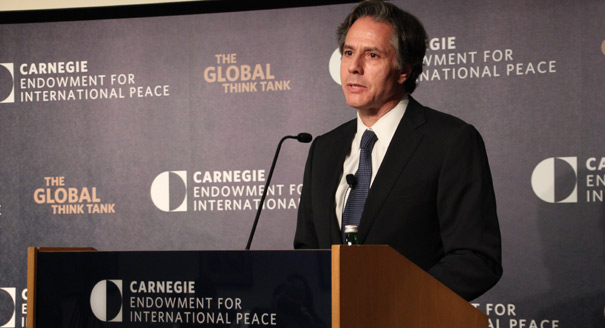
Deputy national security adviser Antony Blinken delivered remarks on the U.S. policy to degrade and destroy the Islamic State and the political, security, and humanitarian crisis in Iraq and the Levant.
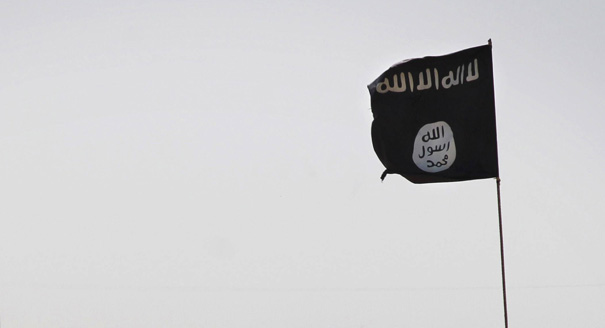
This all-day conference examined the local and regional roots of the growing violence, fragmentation, and instability gripping the Middle East today.