Carnegie Moscow Center

Asia will produce close to, if not, half of the world’s economic product by 2025. This is the real emergent change in international politics, but despite this fact the United States will remain the dominant power in the international system for the foreseeable future.
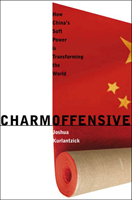
At the beginning of the twenty-first century, China is poised to become a major global power. And though much has been written of China’s rise, a crucial aspect of this transformation has gone largely unnoticed: the way that China is using soft power to appeal to its neighbors and to distant countries alike.
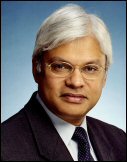
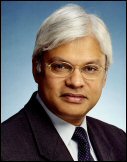
In his chapter, "What Should We Expect from India as a Strategic Partner?" Ashley J. Tellis analyzes the historical "sine wave" nature of the U.S.-India relationship and outlines the value and practical consequences of the transforming bilateral relationship.

Blending a detailed knowledge of international security affairs with history, philosophy, psychology, and literature Thérèse Delpech reminds us of the warnings that were missed as the “civilized” world failed to prevent various atrocities that made the twentieth century so deadly. Delpech asks whether it is possible that today we are on the verge of similar, tumultuous times.

Five months after the end of the war, Lebanon, Israel and the region are still feeling its aftereffects. In Lebanon, the claims of victory were mixed with a sober assessment of the massive socioeconomic losses, and the popular unity during the war was followed by deep division and rising tensions.
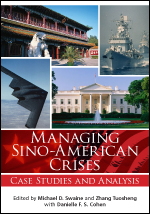
Sensitivities and suspicions between Washington and Beijing have heightened as China’s global power and influence have grown. Arguably, this new international order could increase the chances of a political-military crisis—or perhaps outright conflict—between the two powers.
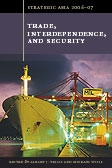
This book examines the strategic balance in Asia and the increasing levels of trade and interdependence in the region, assessing the implications for the United States.
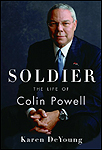
Colin Powell became a national hero. From his humble origins to the highest levels of government in four administrations, he helped guide the nation through some of its most heart-wrenching hours.
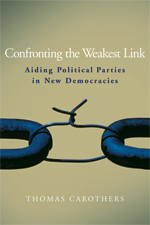
Political parties are the weakest link in many democratic transitions around the world—frequently beset with persistent problems of self-interest, corruption, ideological incoherence, and narrow electoralism. Thomas Carothers draws on extensive field research to diagnose deficiencies in party aid, assess its overall impact, and offer practical ideas for doing better.
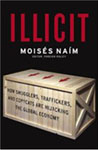
From pirated movies to weapons of mass destruction, from human organs to endangered species, drugs or stolen art, Illicit reveals the inner workings of these amazingly efficient international organizations and shows why it is so hard—and so necessary—to contain them.