Carnegie Moscow Center

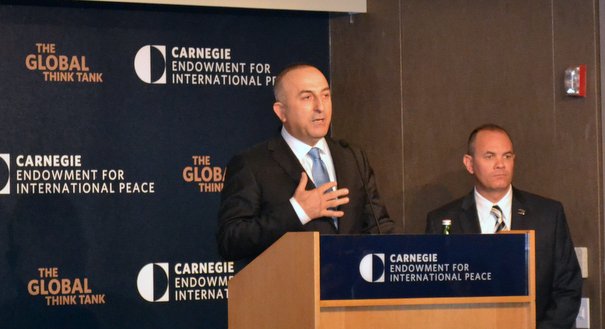
Mevlüt Çavuşoğlu addressed the country’s evolving policy toward the Middle East, including its role in the conflicts in Syria, Iraq, and Yemen.
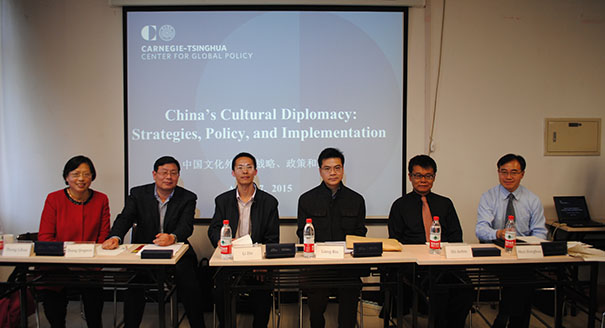
China’s soft power efforts have achieved sizable gains by enhancing the international community’s knowledge of the country, yet they have also attracted increased scrutiny in recent years.
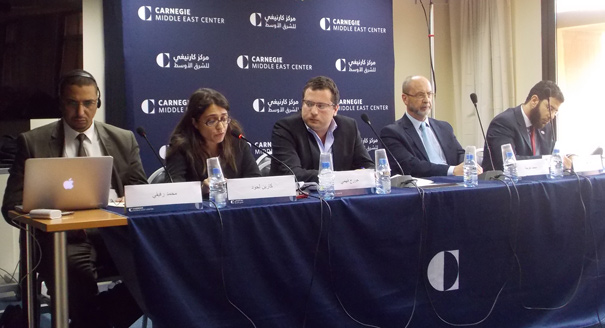
Until the Arab uprisings of 2011, Salafist movements in the Arab world have mostly refrained from political participation. Today, however, the scenario has changed.
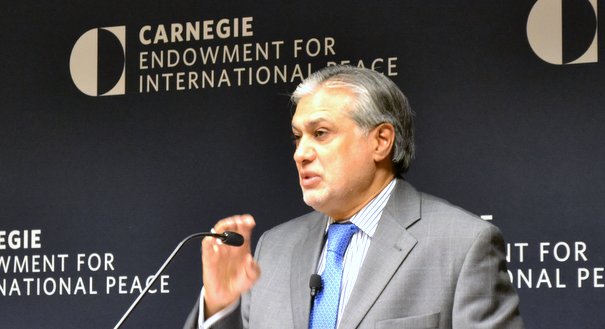
While Pakistan’s economy has made strides in recent years, the government continues to deal with very real setbacks, including energy challenges that have hindered fast-paced recovery.
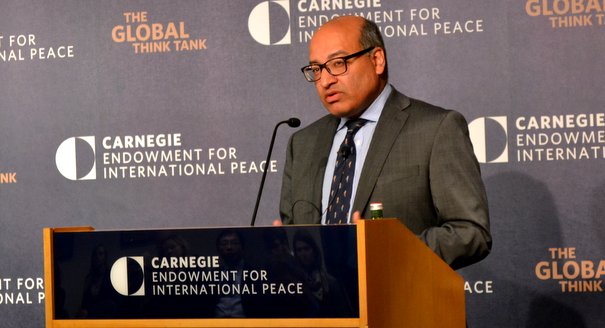
Against the backdrop of the ongoing financial crisis within the eurozone, the European Bank for Reconstruction and Development’s (EBRD) work to promote a vibrant and sustainable private sector has never been more important.
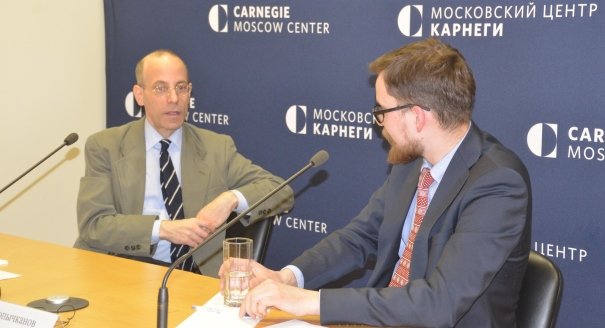
Moscow, Washington, and Beijing hold dissimilar and sometimes opposing views on several security issues, including ballistic missile defense, strategic conventional weapons, and the INF Treaty.
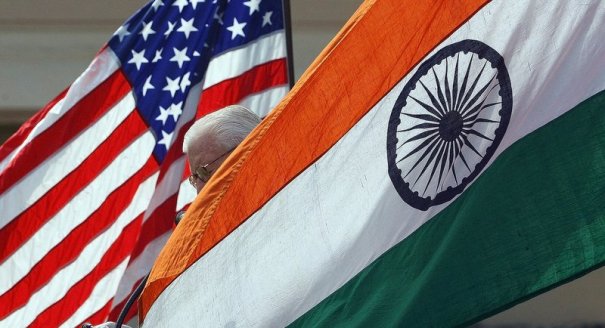
How could the Gilead model be applied by other companies, and what policies might foster innovation in the United States and India in different industries?
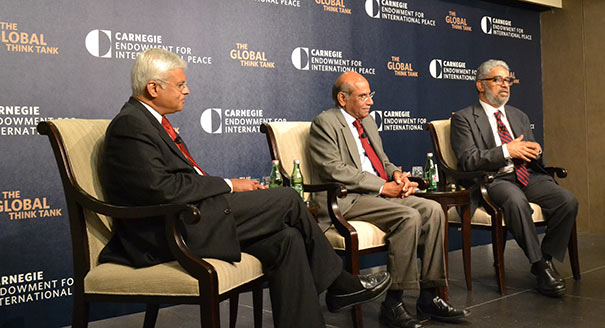
How can the history of the U.S.-Indian bilateral relationship enhance understanding of its current status?
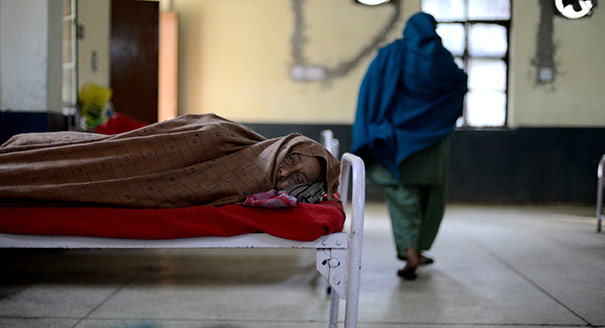
The second panel of the conference focused on the details of Gilead’s approach to providing affordable healthcare in India without threatening intellectual property rights.
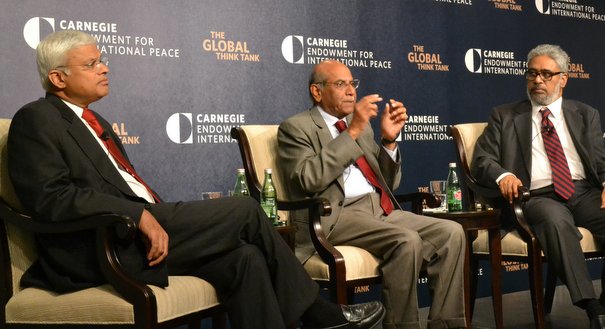
The Carnegie Endowment for International Peace is hosting a conference on how the United States and India can collaborate to create an economic environment and institutional regime that protects innovation.