Carnegie Moscow Center

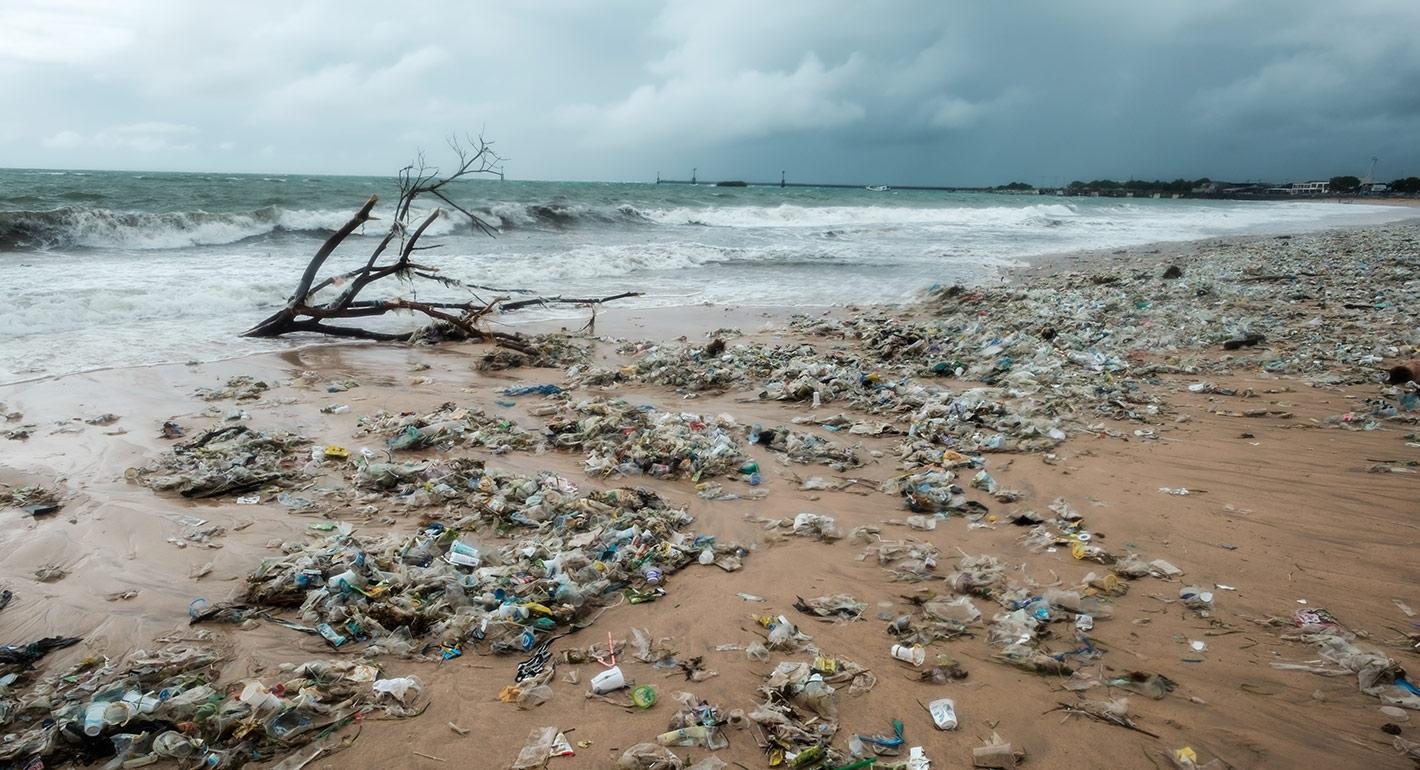
How can the United States and the European Union best lead and steward global efforts to prevent natural disasters by protecting our fragile ocean, including its high seas that are owned by no one, but shared by everyone?
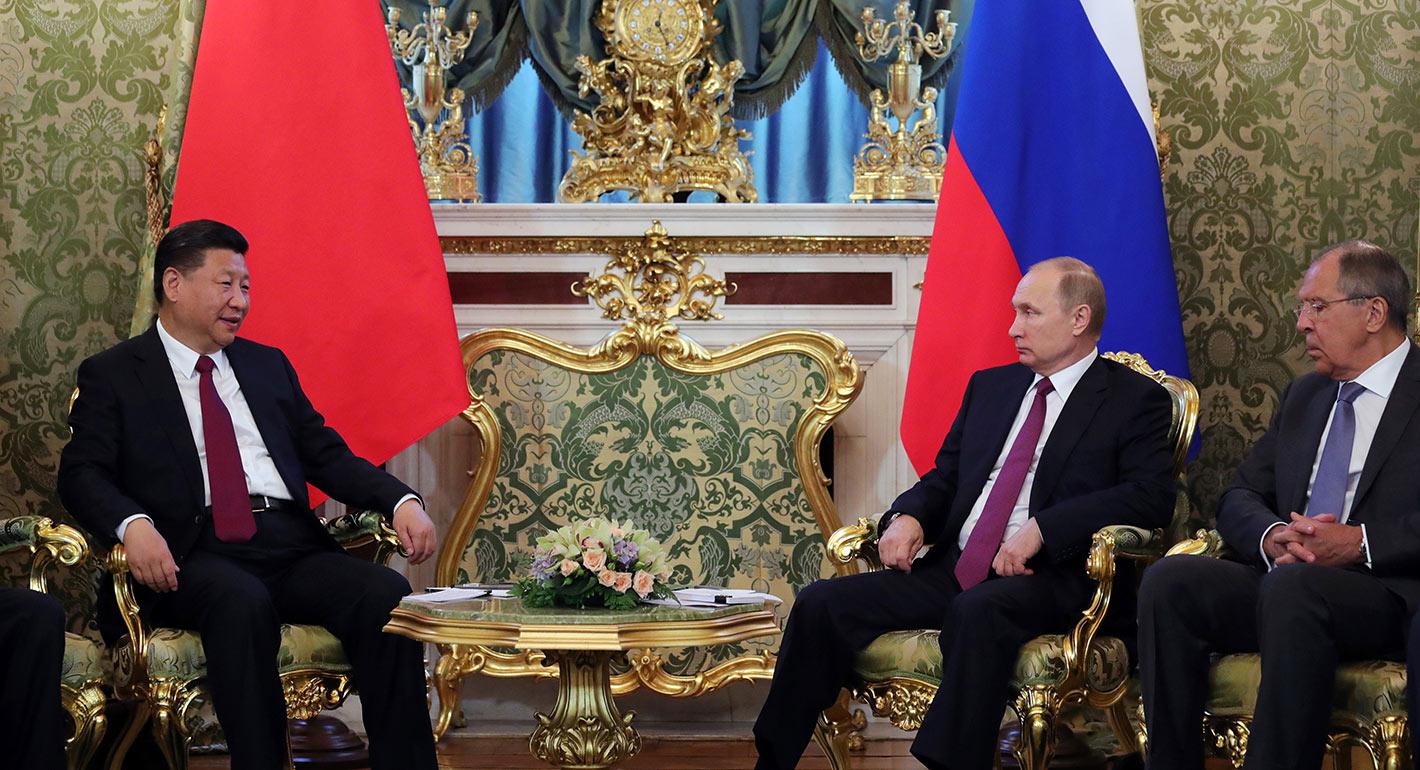
Competition and tension between Washington, Moscow, and Beijing seem all but inevitable, pushed forward by the domestic drivers of foreign policy. But are there prospects for détente or even meaningful episodic cooperation between the three countries on the issues that divide them?
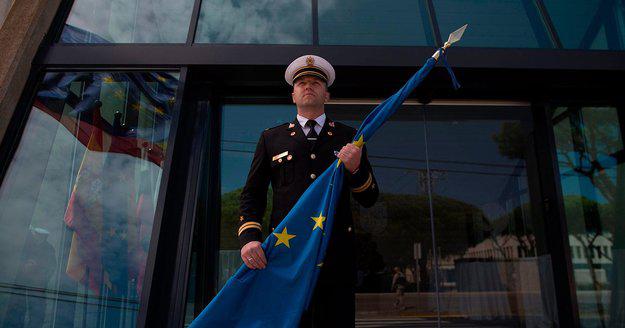
The EU’s foreign policy agenda has changed considerably over the past ten years, but how has this reorientation been perceived globally, and what do other powers expect from the EU?

In 2018, Twitter released a large archive of tweets and media from Russian and Iranian troll farms. This archive of information operations has since been expanded to include activity originating from more than 15 countries and offers researchers unique insight into how IO unfolds on the service.
A Carnegie India - Tata Trusts Initiative: Given the police's front-facing task of containing the spread of the coronavirus, what role do the long-held traditions of the force, its internal culture, training, and practice play in how the police manages its public interactions?
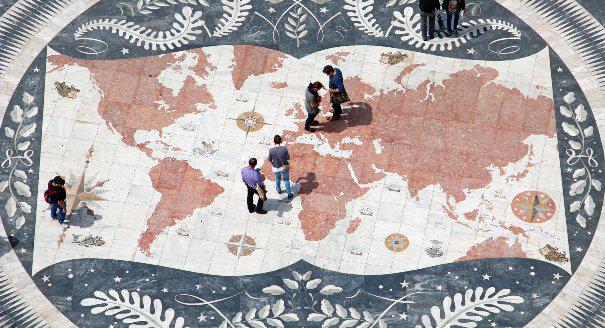
A recalibration of the geopolitical landscape amidst the coronavirus pandemic means that the world is wrought with new and resurgent challenges and disorders.
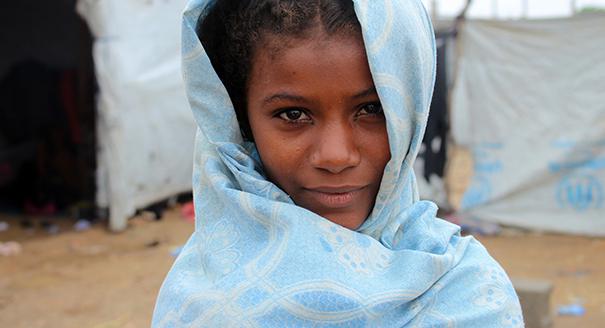
More than five years into the Saudi-led intervention in Yemen, the situation in the country is no longer of concern to Yemenis alone. Instead, its conflict has turned into a struggle between regional powers.
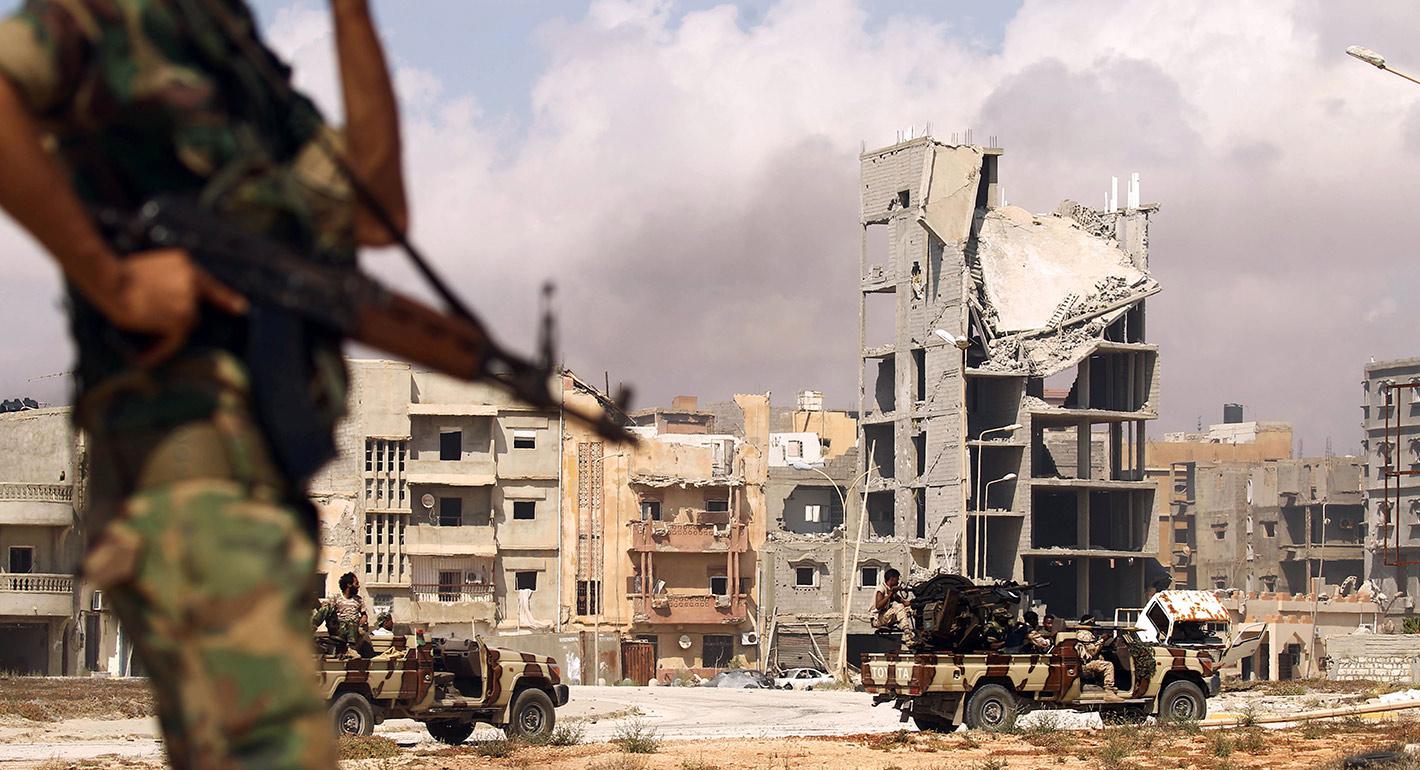
In the wake of recent battlefield developments in Libya, regional and global powers are maneuvering for influence and supremacy, with far-reaching implications for Libyan sovereignty, stability, and cohesion.
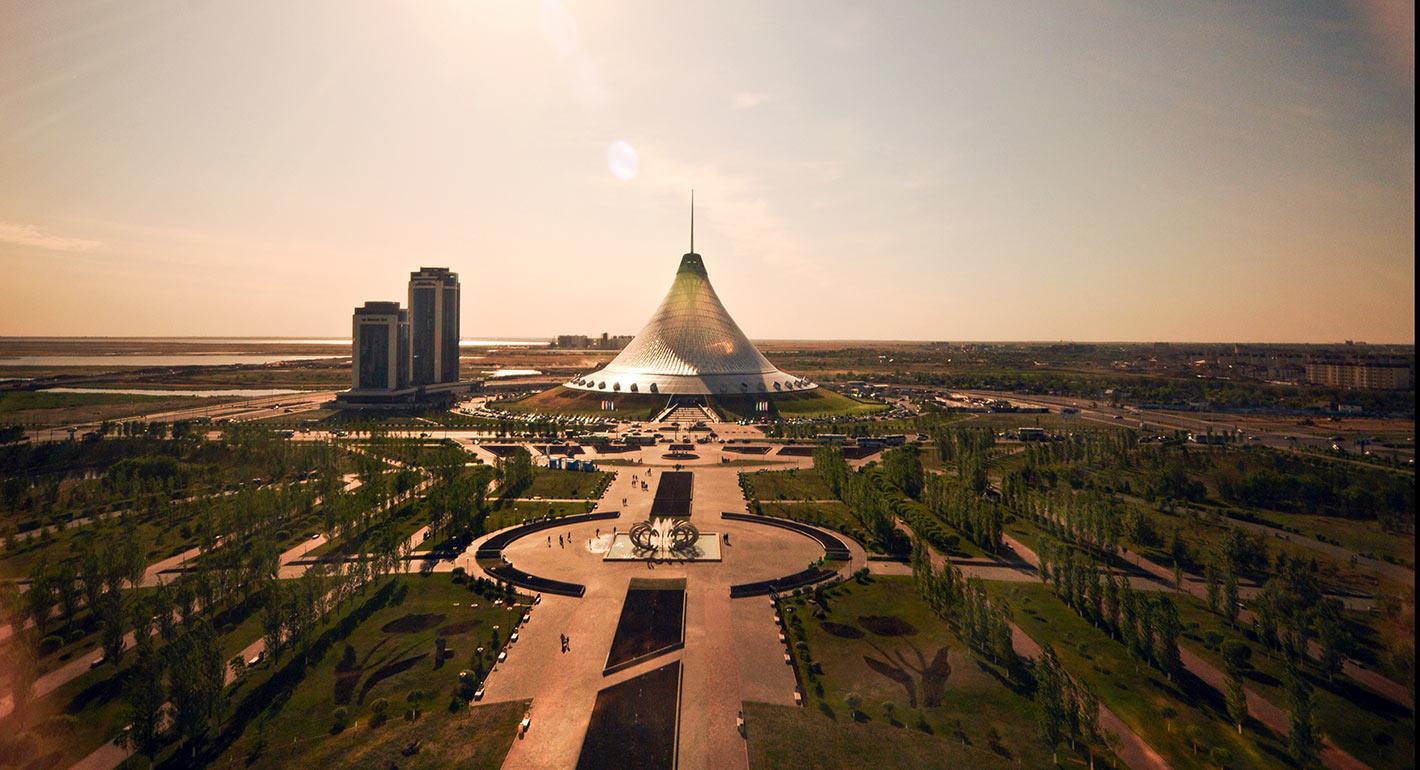
After initially successful attempts to contain the the COVID-19 virus, Kazakhstan and Uzbekistan are once again experiencing its rapid spread. What went wrong and what are the prospects for addressing the growing social, economic and humanitarian emergencies in the region?
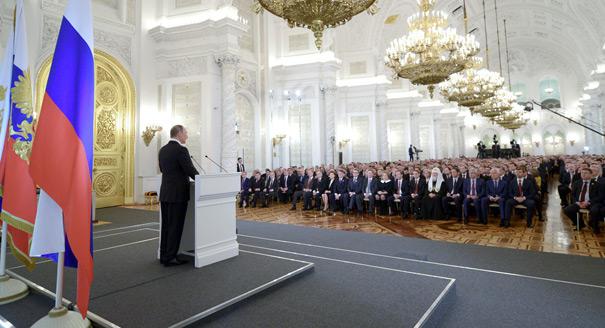
Drawing on extensive reporting from her years as a Moscow-based correspondent for the Financial Times and other publications, Catherine Belton has assembled a fascinating portrait of Vladimir Putin’s rise to power and two decades at the helm of the Russian state.