Carnegie Moscow Center

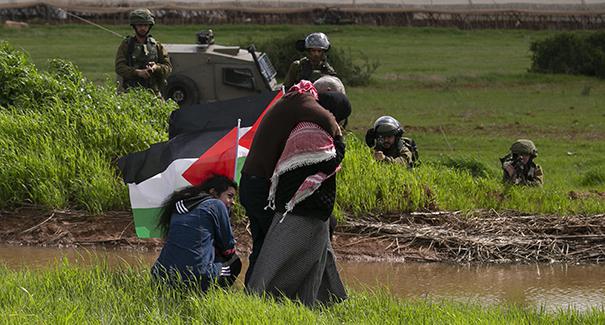
What will be the Palestinian response to Israeli annexation? What does this mean for the future of the Palestine National Authority and the Palestine Liberation Organization? How will the relationship between Israelis and Palestinians change?
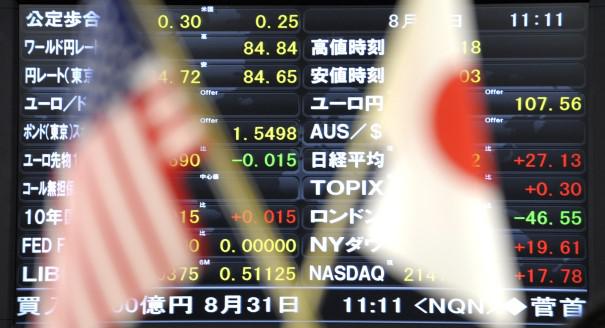
With echoes of their own technonationalist competition of the 1980s and 1990s, the United States and Japan are changing how they manage trade policy, export controls, investment rules, research and development strategies, supply chains, and even visa guidelines to gain a technological edge, this time over China.

The coronavirus pandemic has re-emphasized the need for evidence-backed research in tackling health, economic, and socio-political issues in India, and across the world. In an increasingly saturated information space, how can we ensure that cogent steps are taken during times of crises?
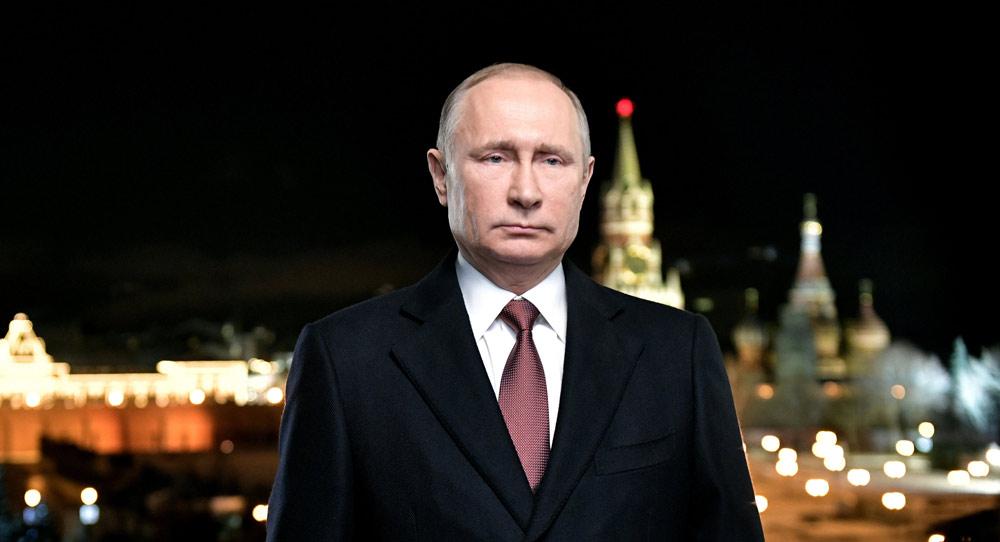
On July 1 Russian citizens will vote on constitutional changes that could extend President Putin’s term in office until 2036. It’s notable that the Kremlin has placed higher priority on enacting these changes than contending with the pandemic.
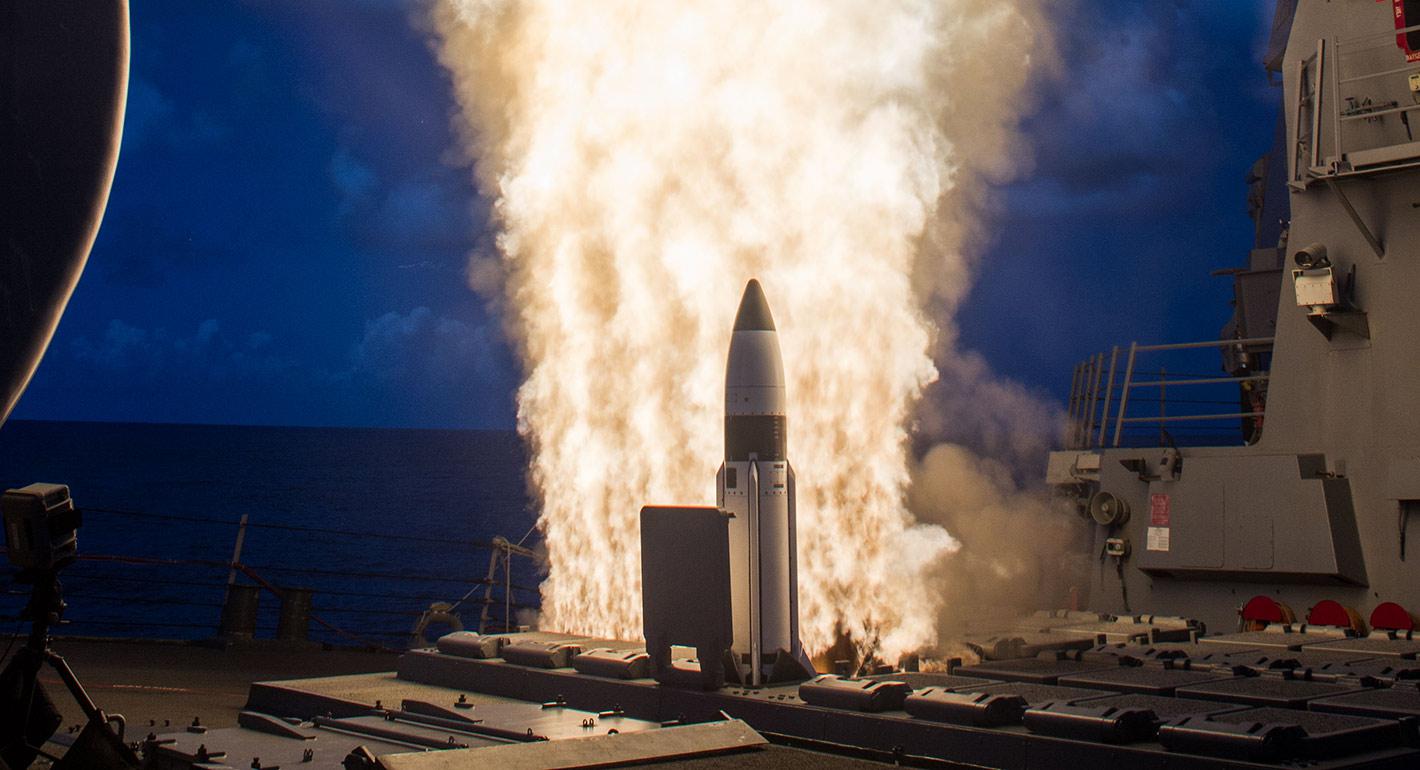
Join us for a conversation with Oriana Mastro, Susan Thornton, Tong Zhao, and Bethany Allen-Ebrahimian as they discuss the growing U.S.-Chinese military competition and whether potentially disastrous global consequences can be averted.

Is there a way to upgrade Indo-Russian economic and technological ties and make geopolitical and security interaction more effective, while not upending India’s connections with the United States, and Russia’s with China?
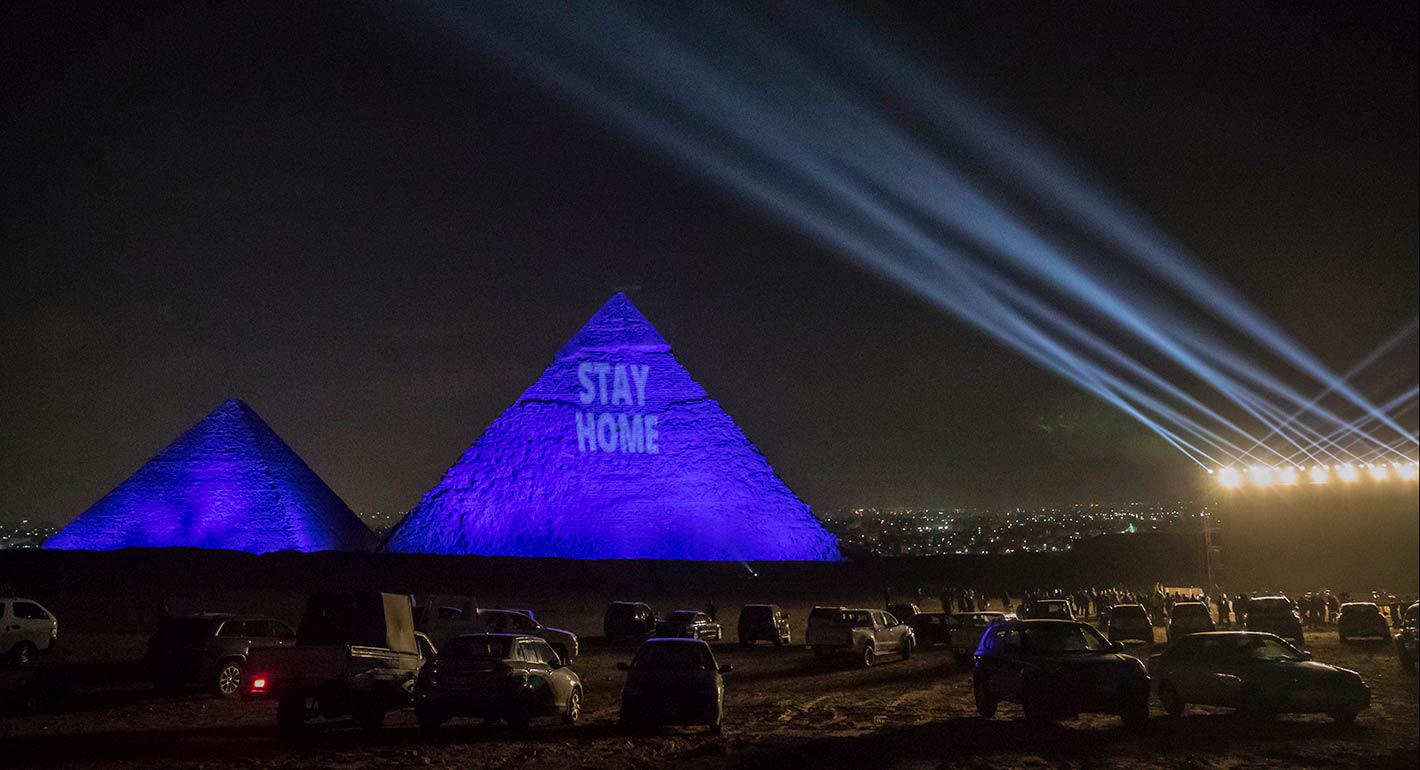
As coronavirus infections continue to rise in Egypt, the country also faces other serious threats. How will Egypt deal with urgent challenges such as the Ethiopian dam crisis and Nile water scarcity, rising military tensions in Libya, and long-marginalized regions including the Sinai?
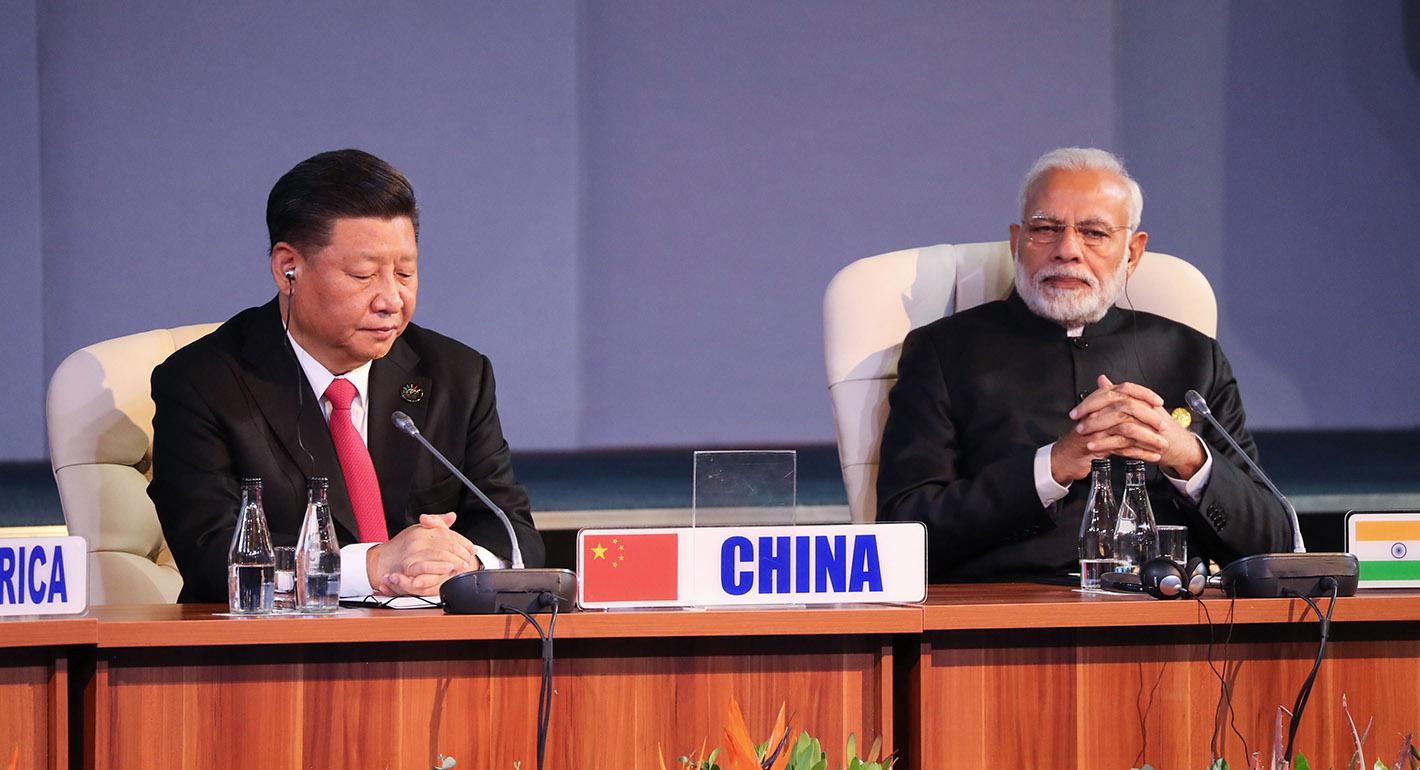
On June 15, at least 20 Indian soldiers lost their lives in a violent clash between Indian and Chinese troops in the Galwan Valley region of eastern Ladakh. As tensions between India and China soar, what immediate impact will this conflict have on their already precarious relationship?
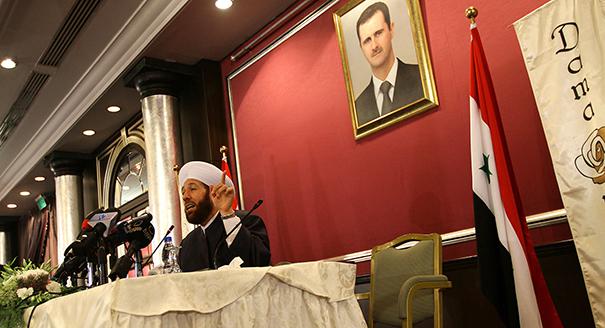
The 2011 uprising in Syria totally transformed the religious establishment in Damascus. The regime sent into exile many prominent, influential religious figures who, forced to work from abroad, formed a religious opposition group called the Syrian Islamic Council.
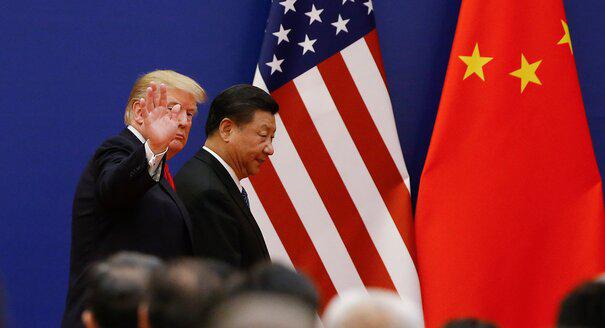
The distance between Beijing and Washington has been growing steadily in recent years. Yet it was the coronavirus pandemic that revealed just how bad relations between the two powers had become.