Carnegie Moscow Center

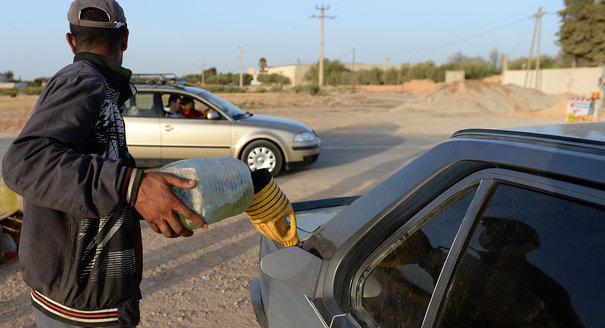
Algerian officials in the northeastern border area between Algeria and Tunisia continue to permit the cross-border smuggling of petrol and other commodities.
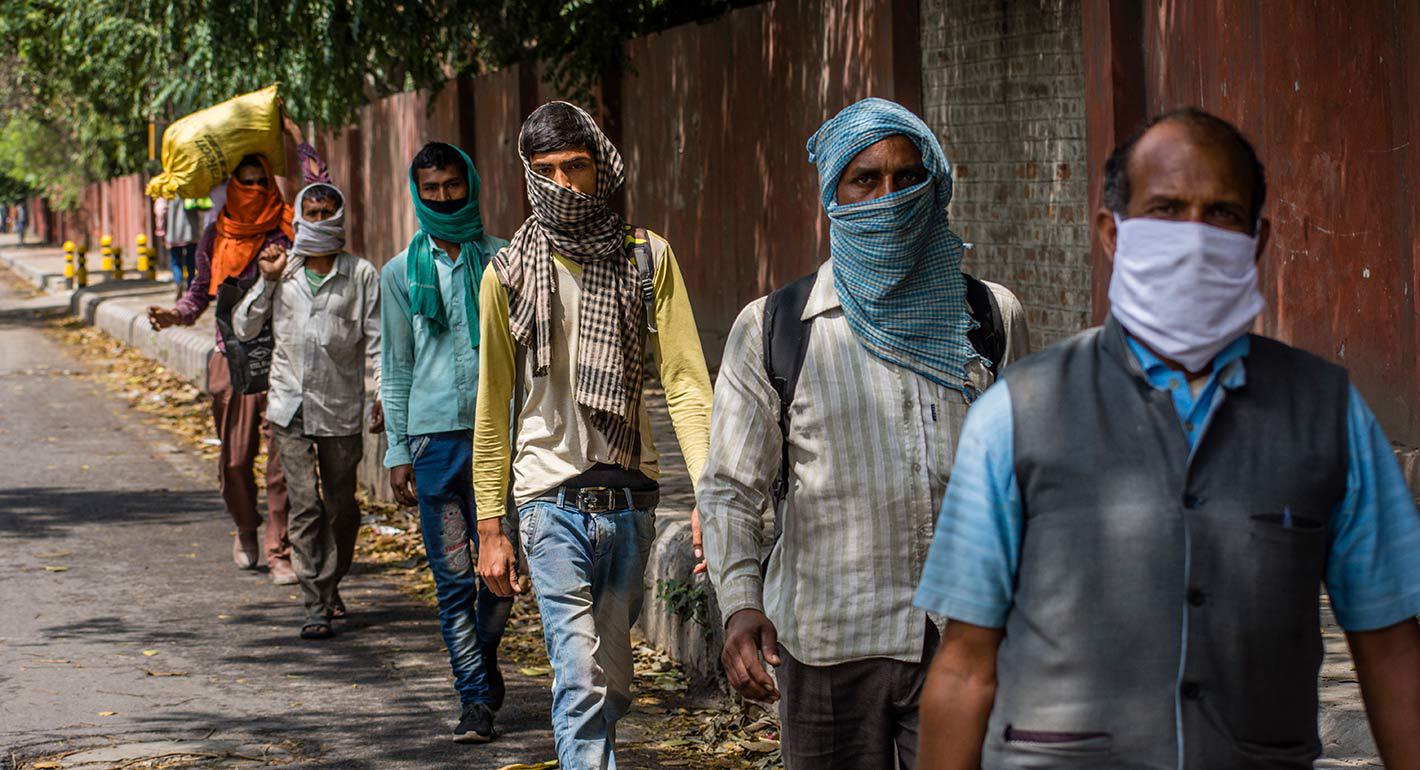
An overwhelming majority of labor in India works in the informal sector without adequate social security. Simultaneously, the inflexibility of labor regulation prevents Indian firms from growing through labor expansion, incentivizing investments in capital instead.
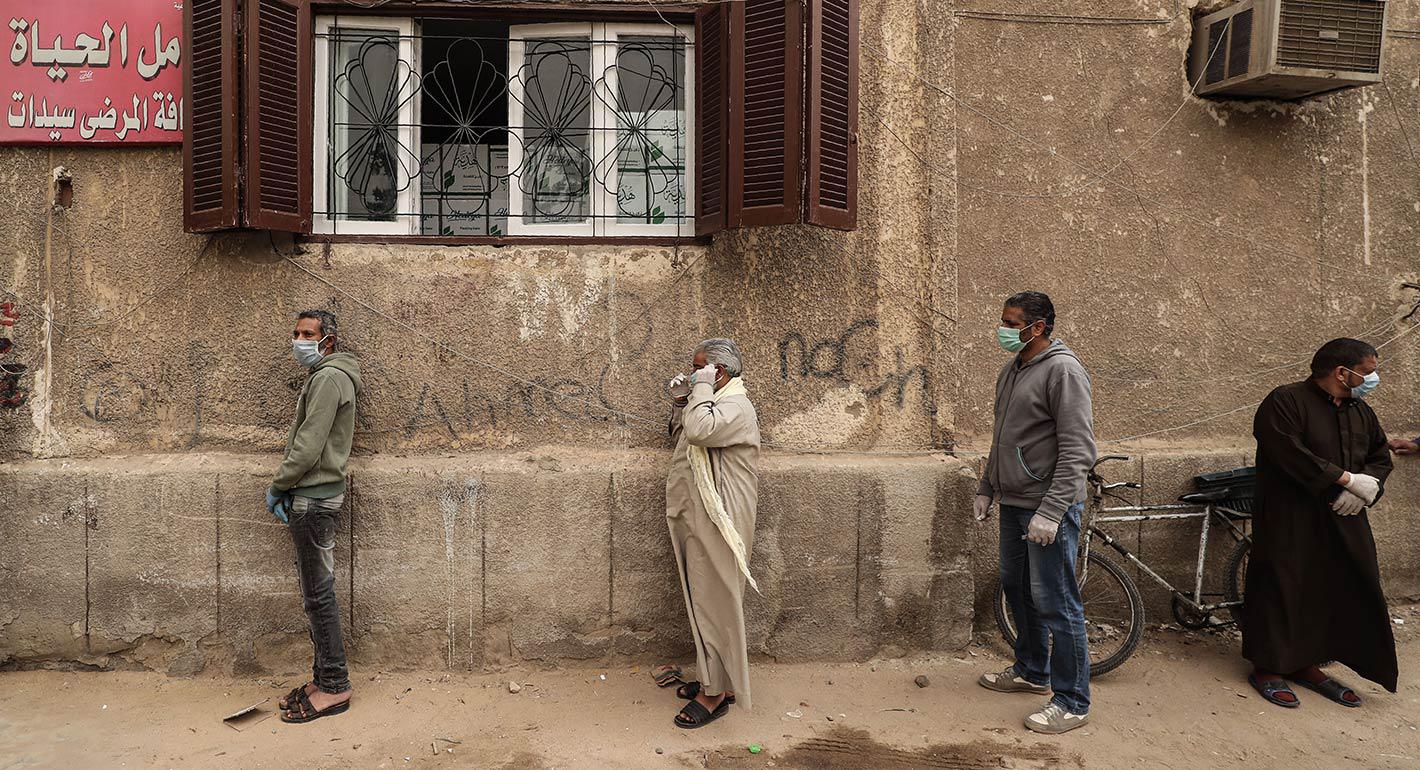
In many countries, the pandemic is providing justifications for crackdowns on rights, changes in law, and postponement of elections. What is happening in Egypt?

Emerging from the pandemic, the United States will still face a multipolar international environment driven by powers determined to protect their own interests and spheres of influence, intractable conflicts, and great power competition
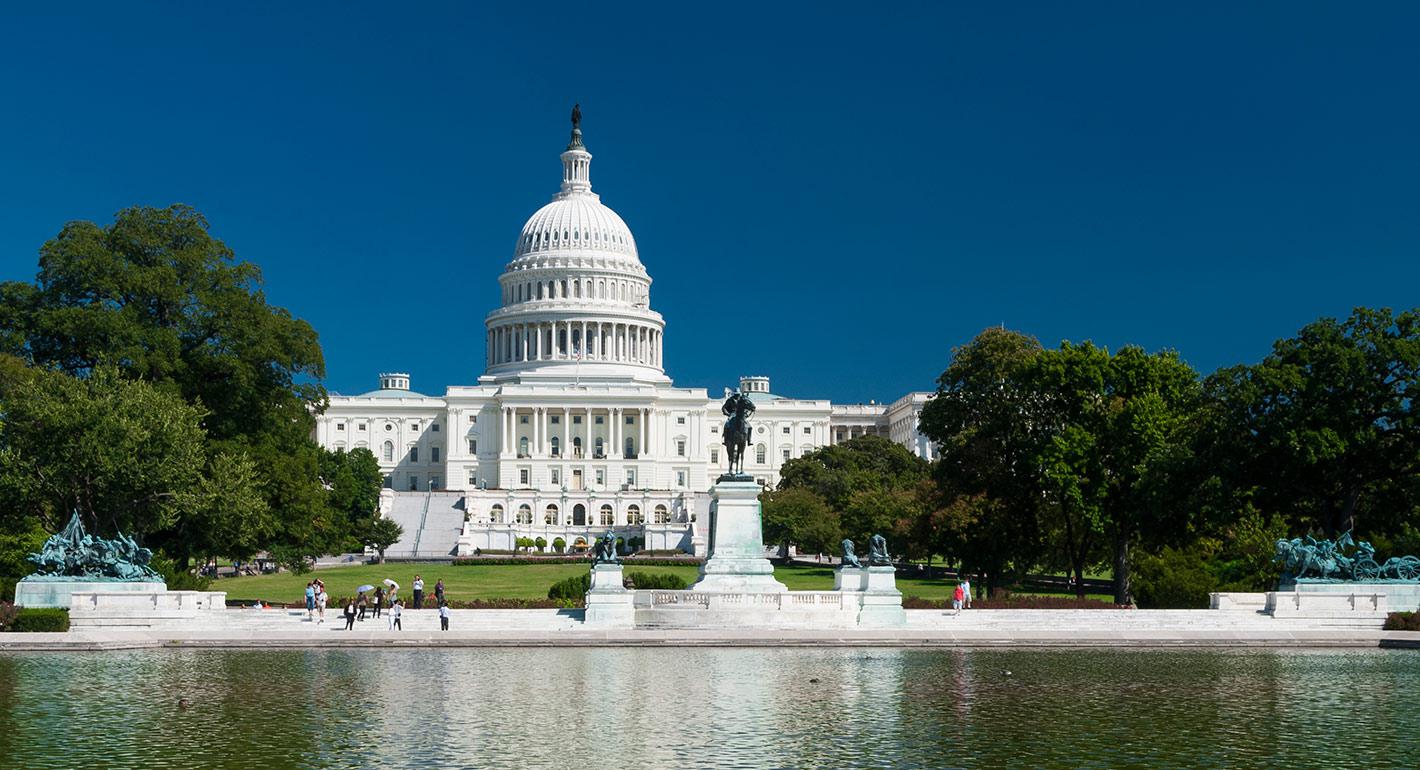
Nearly thirty years after the demise of the Soviet Union, and amidst China’s rise and Russia’s revanchism, will U.S. policymakers reconceive the role alliances should play in 21st century national security strategy and recapture one of the country’s great force multipliers, or let them wither on the vine?
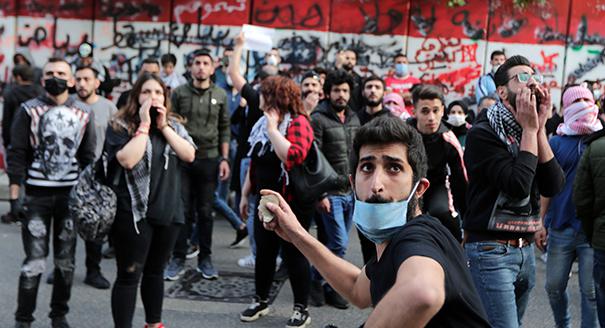
As Lebanon continues to flatten the coronavirus curve and as the country opens up again, the protest movement is largely expected to make a comeback, with protestors again voicing demands for an independent judiciary, accountability, early parliamentary elections, and financial reform—among others.

How hard will Egypt be hit by the pandemic’s health effects? To what extent is its health system meeting the challenge?

Taiwan has made considerable headway towards successfully implementing its Artificial Intelligence (AI) initiatives. India, however, remains at a nascent stage. How can they effectively collaborate to encourage AI growth?

Carnegie’s Yukon Huang and Michael Pettis will debate China’s growth prospects and economic policy trajectory, including the roles of the state and private sector and potential shifts in the growth model in a time of crisis.
Rajesh Rajagopalan's recent paper, "India and Counterforce: A Question of Evidence" argues that even as India has had a long-running debate about many aspects of its nuclear doctrine, the country continues to maintain its posture on the No First Use doctrine.