Carnegie Moscow Center

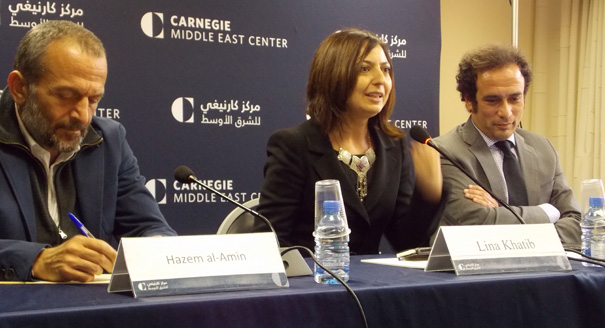
The Carnegie Middle East Center welcomed Amr Hamzawy and Hazem al-Amin to examine the challenges facing democracy, development, and security in Egypt and the Levant region during the last four years.
One century on, the destruction of the Armenians of the Ottoman Empire during World War I is still a live and divisive issue for Armenians and Turks alike.
As the deadline for a deal on Iran’s nuclear program approaches, the range of possible outcomes will have implications not just for the region and for world powers at the negotiating table, but also much more broadly.
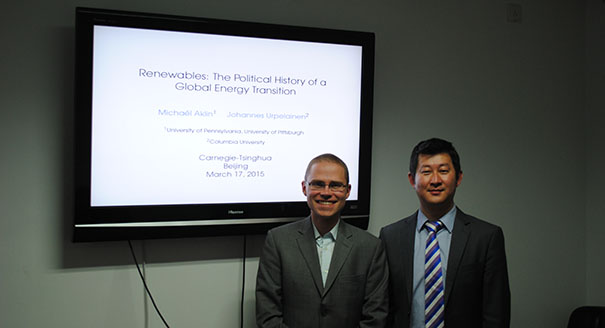
Low oil prices have reduced the material incentives for developing renewable energy technologies, but political interests and public opinion also impact this strategic economic sector.
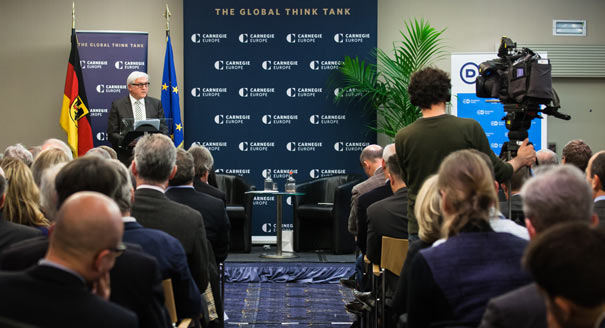
Frank-Walter Steinmeier has announced that Germany is ready to step up its foreign policy ambitions. What does the future hold for the country’s external relations?
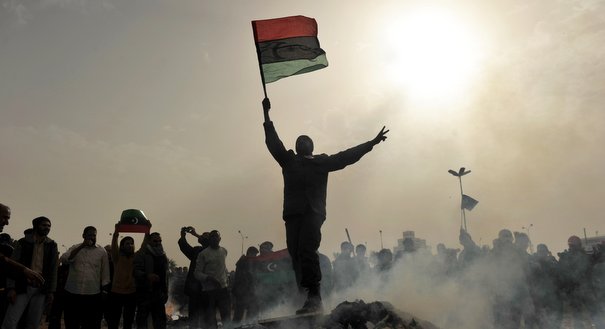
More than three years after the fall of former leader Muammar Qaddafi, Libya is wracked by worsening civil war, foreign intervention, and the rise of transnational terrorism groups like the self-proclaimed Islamic State.
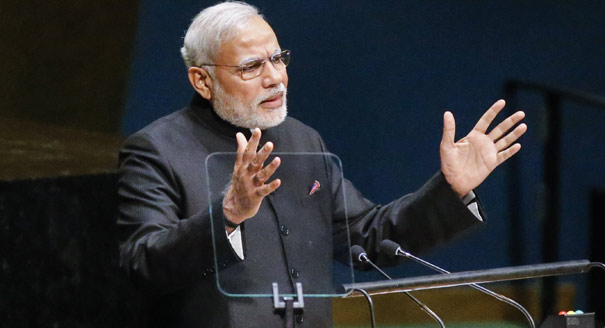
India’s latest budget has generated huge interest in its ability to set the country on a path of sustained and rapid growth.
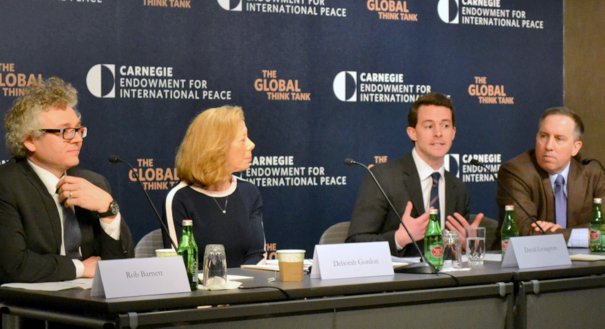
Oil is changing. The oils themselves, how they are extracted and processed, and the products into which they are made are shifting in substantial ways.
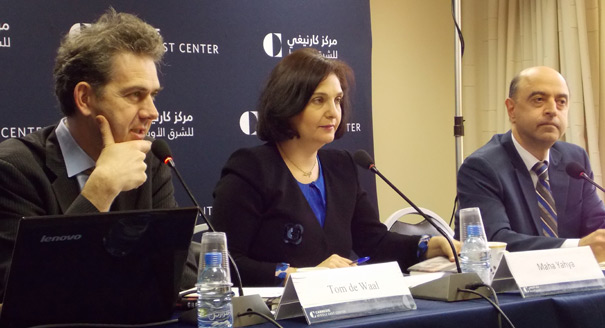
One hundred years later, the issue of the Armenian Genocide still remains a contentious issue between Armenia and Turkey.
At a VIP dinner the night before the Oil-Climate Index was unveiled, John P. Holdren, assistant to the President for Science and Technology, gave a keynote lecture about the state of climate science and policy.