Carnegie Moscow Center

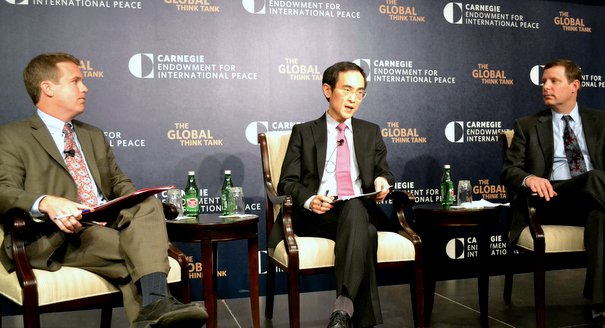
Japan and the United States are fine-tuning their aid programs in Myanmar to maximize political and social impact nationwide and to involve the private sector.
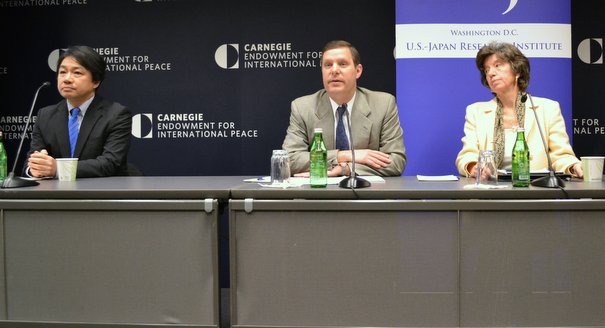
East Asia’s growing economic interdependence, spurred in part by China and Japan’s economic diplomacy, feeds great-power competition. Ironically, it could delay future efforts toward further regional economic integration.
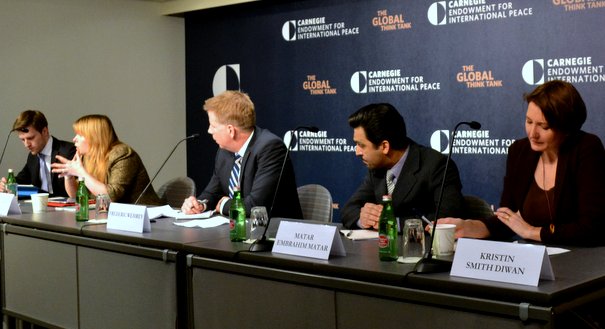
Amid a region beset by civil wars and terrorism, the Arab states of the Gulf Cooperation Council are facing growing challenges from an increasingly youthful population, aging rulers, economic pressures, and a new information environment.

Ten years after its launch, it is time to rethink the European Neighborhood Policy. There is a need for greater differentiation and for more nimble and flexible instruments.
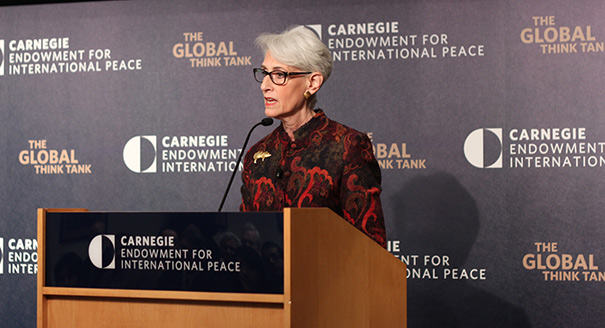
Under Secretary of State for Political Affairs Wendy Sherman spoke about how the United States has worked with partners and allies to build a peaceful and prosperous post-war order in Northeast Asia, and the future of U.S. policy in the region.
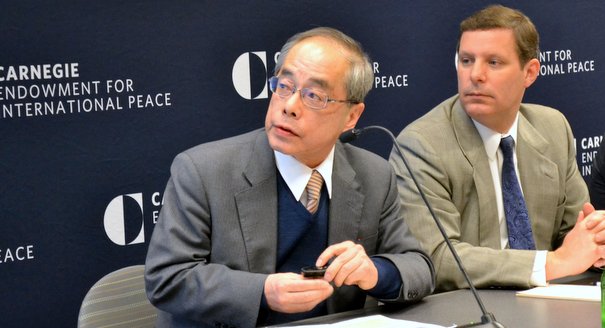
Thailand finds itself struggling to escape the middle income trap and adjust to changing trade structures in a dynamic region. Amid a combination of both tough scrutiny and encouragement from Washington and Tokyo, can the country overcome these challenges successfully?
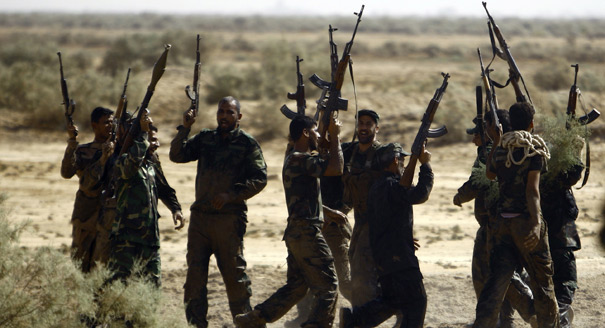
Modern jihadist organizations have taken advantage of continued instability to make themselves into territorialized organizations which frequently cross established state borders, such as the Islamic State.

Maidan is a 2014 documentary from the acclaimed Ukrainian director Sergei Loznitsa. From a protest to a movement to a full-scale revolution, the film chronicles the events that took place on Independence Square in Kyiv last winter.
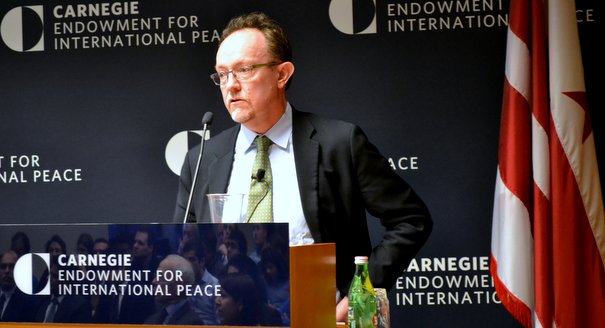
Unlike in neighboring Pakistan, India’s army has not intervened in politics and the country has successfully preserved its democracy.
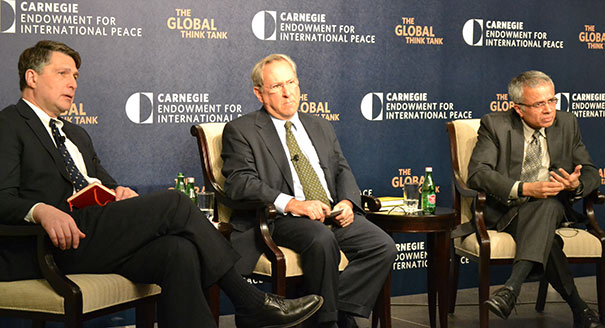
The current conflict in Ukraine has spawned the most serious crisis between Russia and the West since the end of the Cold War.