Carnegie Moscow Center

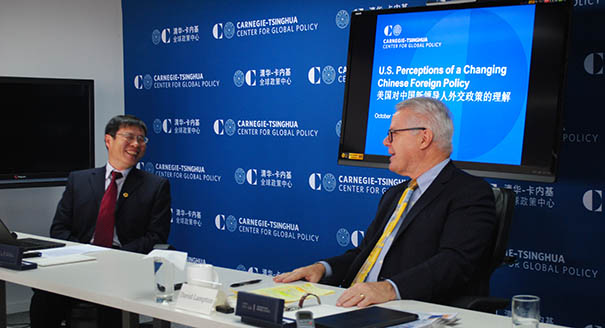
It remains to be seen how China can continue to abide by its traditional foreign policy principles of non-intervention and non-interference as it adopts a more active diplomatic strategy.
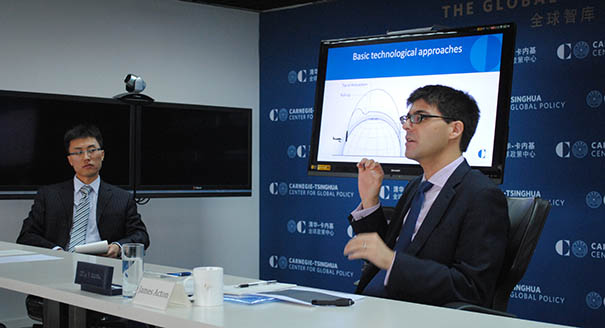
Developing U.S. Conventional Prompt Global Strike weapons will require confidence-building measures to enhance rather than harm Asian-Pacific regional strategic stability.
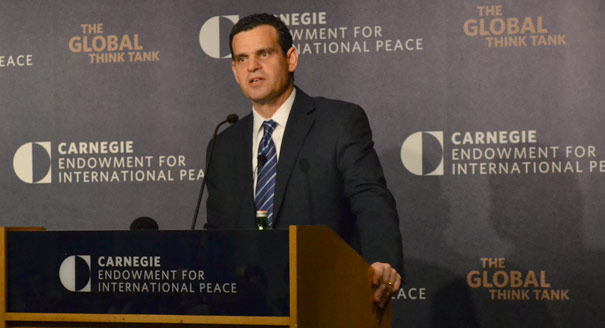
With a broad international effort underway to degrade and defeat the Islamic State of Iraq and the Levant (ISIL), David S. Cohen outlined the United States’ strategy to undermine the organization’s financial foundation.
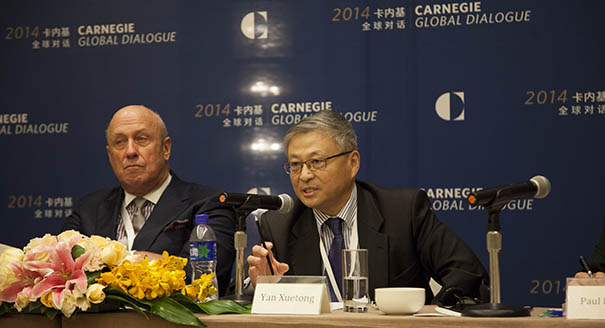
China and the United States should work closely together to develop comprehensive bilateral solutions to twenty-first century governance challenges.
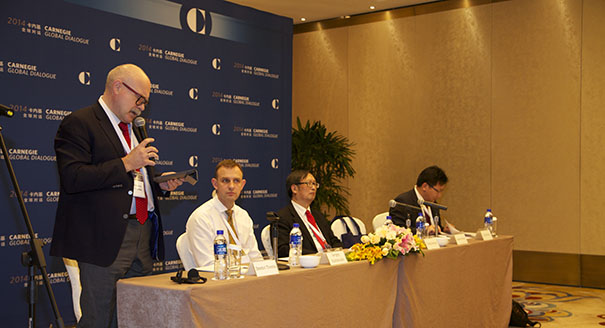
The Ukraine crisis has isolated Russia, and consequently tightened Beijing and Moscow’s ties. How will these dynamics affect stability and the balance of power in Eurasia and Central Asia?
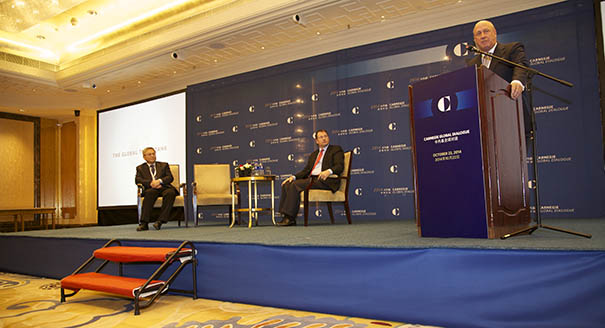
The world order is changing amid a host of global challenges and Sino-U.S. bilateral relations are evolving in response to China’s growing capabilities and assertiveness.
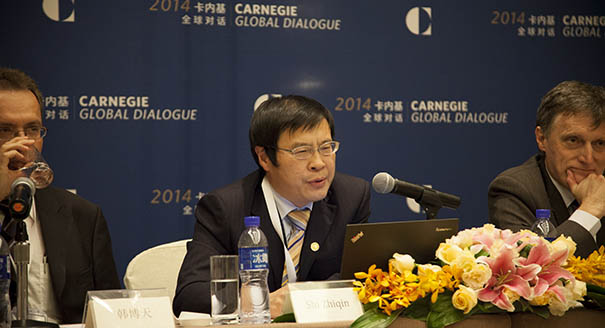
While China-EU cooperation has been fruitful and potential avenues for further collaboration exist, substantive progress will depend on the artful management of competing priorities.
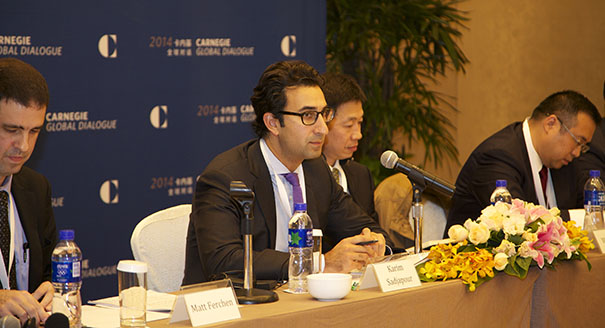
Despite challenges like terrorism and intraregional conflict, the United States and China remain invested in the Middle East and should work together with regional actors to manage instability.
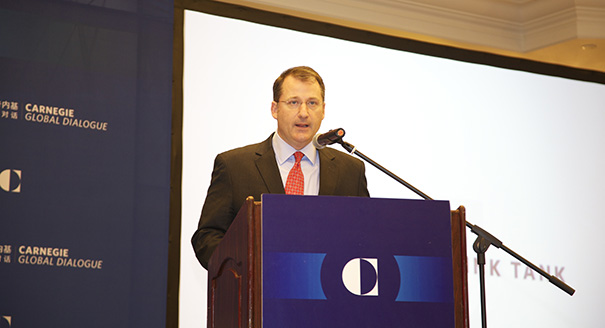
China is an emerging world power with significant resources and an interest in maintaining global stability. But what role will Beijing play on the international stage?
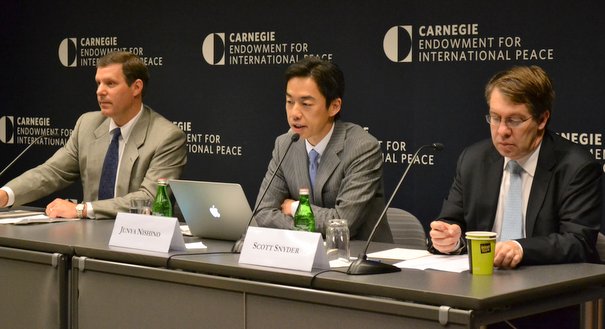
North Korea agreed in May to reopen an investigation into the abductions of Japanese nationals in the 1970s and ‘80s in exchange for sanctions relief from Tokyo. Some thought this step could lead to a breakthrough in Japan-North Korea ties, but there has been little progress.