Carnegie Moscow Center

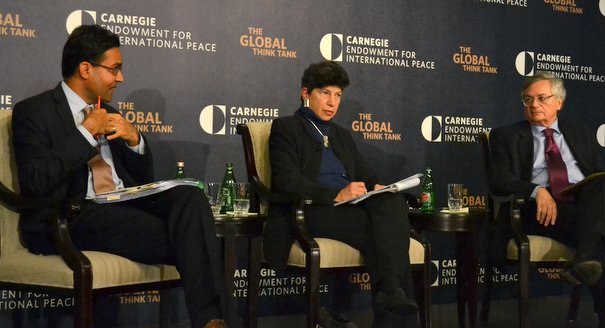
The entangled threat of crime, corruption, and terrorism remain important security challenges in the twenty-first century.
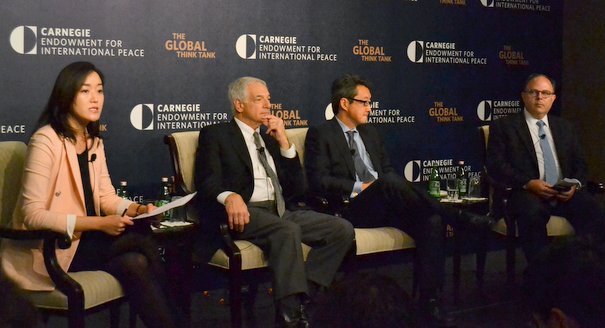
In the decades since the Agreed Framework was struck, successive American presidential administrations seem to have exhausted available policy tools in an effort to curtail North Korea’s growing nuclear and missile capabilities.
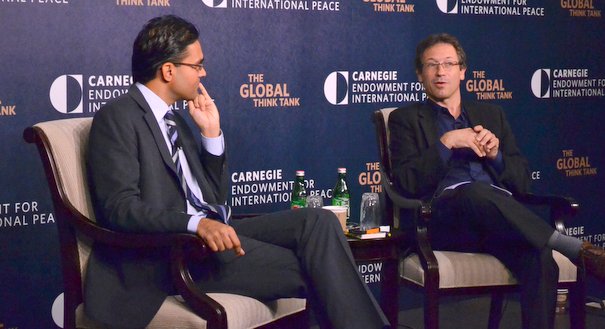
The first 100 days of a new government can be tumultuous as power shifts hands and leaders make dramatic decisions. But Prime Minister Narendra Modi has thus far proceeded in a more nuanced fashion, making an assessment of his first four months in office more complicated.
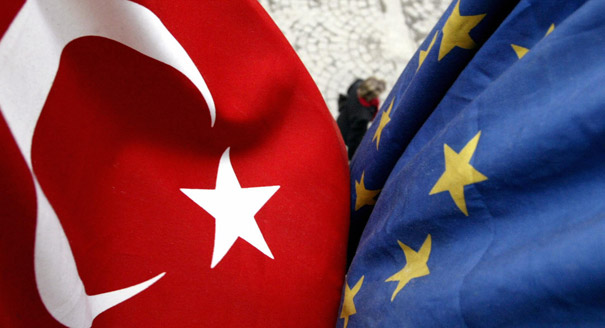
The EU and Turkey must reenergize their bilateral relationship, as there are many different issues on which Brussels and Ankara will need to work together.
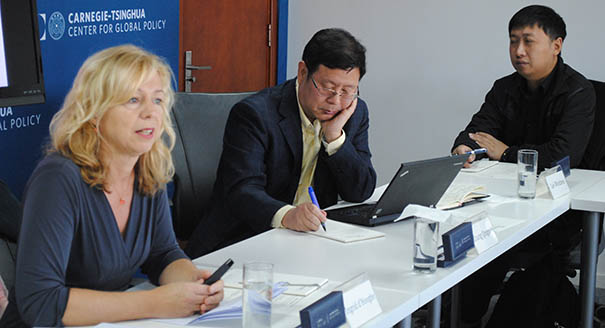
The Chinese government is developing public diplomacy initiatives to refine the country’s global image and establish China as a key driver of cultural and social trends.
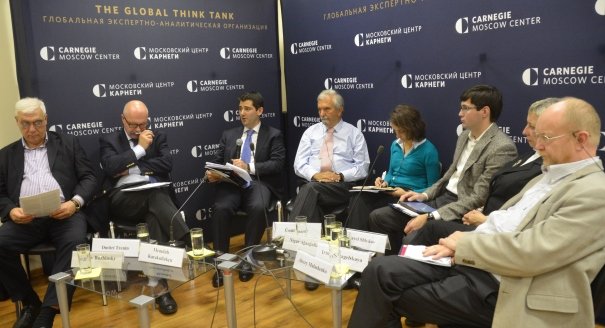
Russia and Turkey share many important interests, providing them with opportunities for valuable collaboration and cooperation in their common neighborhood, which stretches from the South Caucasus and the Levant to Central Asia and Afghanistan.
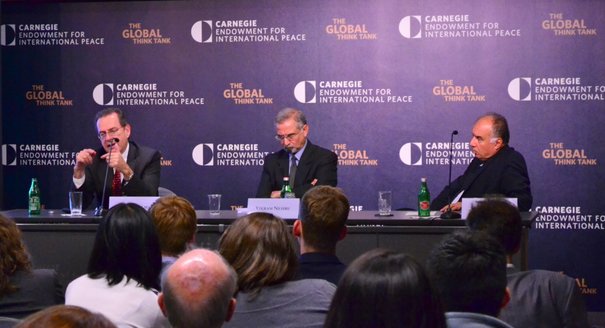
Convergence, the narrowing of the income gap between poor and rich countries, is one of the great stories of our time. A recent report shows that convergence has slowed in recent years, and that productivity in developing countries is not rising rapidly enough in key sectors.
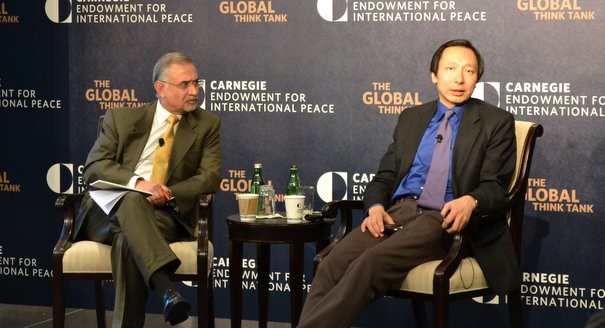
According to the World Bank’s standard poverty measure, one in five Asians live in extreme poverty. However, a recent Asian Development Bank (ADB) report, asserts that this standard measure does not capture the true extent of extreme poverty in the region.
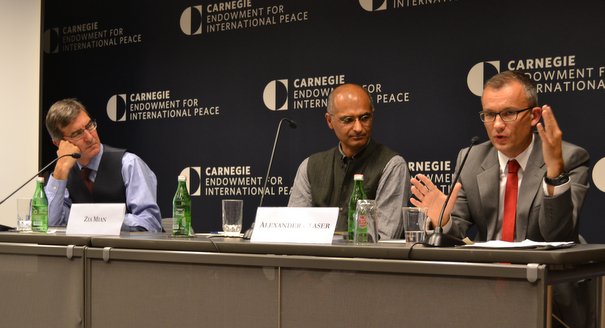
Nuclear disarmament, nuclear nonproliferation, and the threat of nuclear terrorism are among the most critical challenges facing the world today.
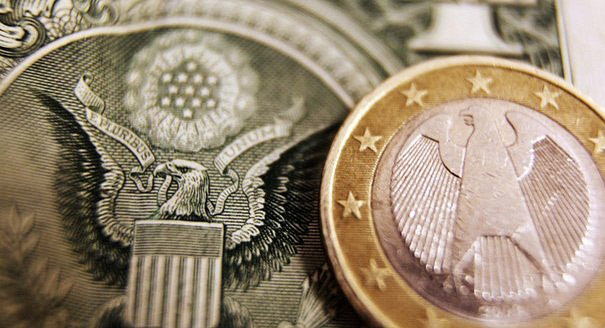
The Transatlantic Trade and Investment Partnership initiative is a grand plan for revitalizing economic growth and enhancing international competitiveness. While Brussels and Washington work to reach a deal, large numbers of interested third countries—even major EU and U.S. trade partners—are left out.