Carnegie Moscow Center

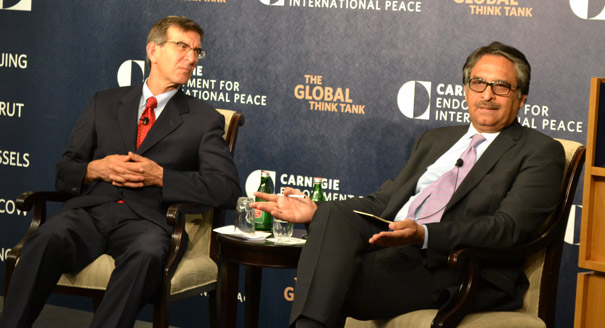
As Narendra Modi’s government takes shape in New Delhi, questions abound about the future of the India-Pakistan relationship.
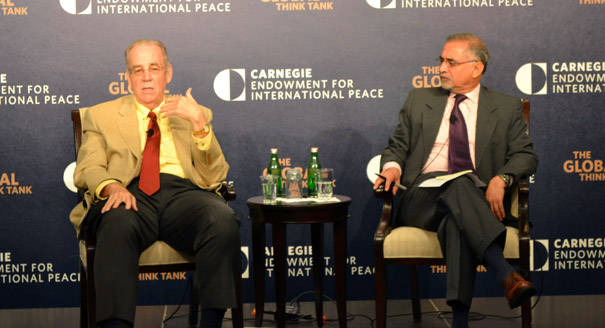
On July 9 Indonesians will go to the polls to elect their next president for a five-year term, after a decade of steady—albeit recently slowing—growth.
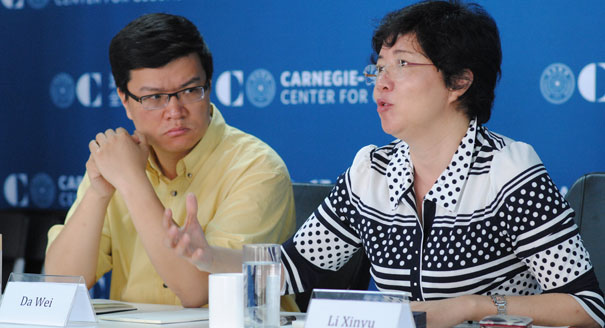
City-to-city diplomacy is becoming an increasingly important part of U.S. and Chinese soft power, public diplomacy, and foreign policy strategies.

China’s growing regional presence and the increased U.S. involvement in the Asia-Pacific has underscored the importance for collaboration on traditional and nontraditional security issues.
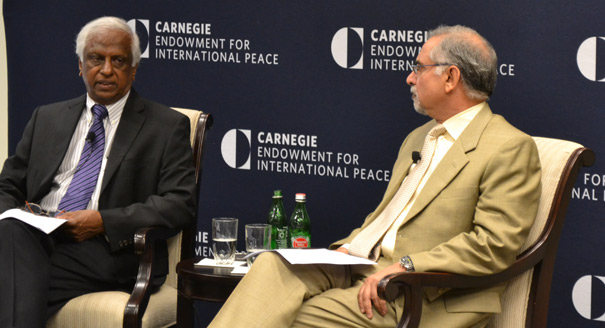
In Southeast Asia, political dynamics appear to be outrunning political institutional frameworks. Although Thailand is the obvious case, political systems in other Southeast Asian countries, such as Malaysia and Singapore, are also under strain.
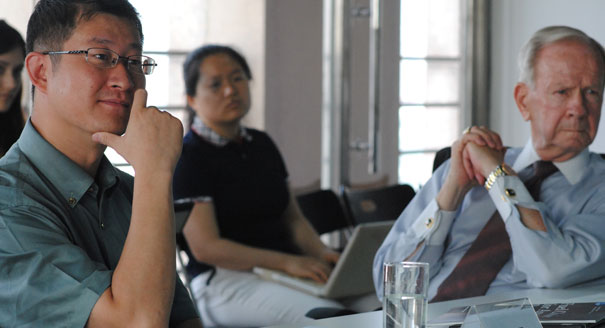
Cooperation on energy and climate issues between the United States and China holds a lot of potential, as both countries are tackling the same challenges in this area.
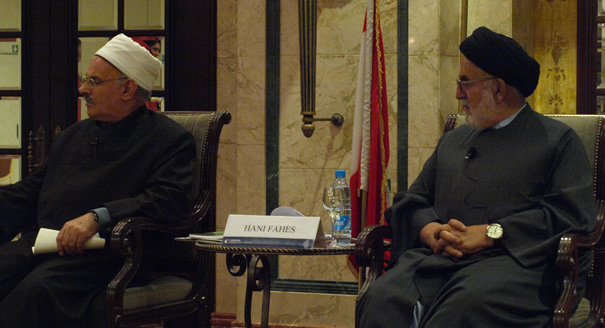
Arab integration offers a real opportunity for cultural development, but pluralism must be adopted.

Arab integration offers a real opportunity for critical economic developments, but significant challenges stand in the way of reform.
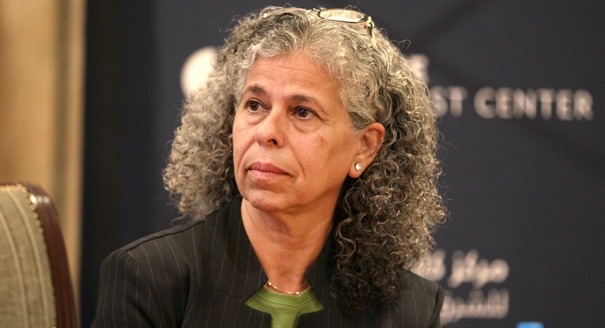
Arab integration faces several obstacles, including foreign hegemony, economic insecurities, and intellectual, philosophical, and religious challenges faced by Arabic culture and language.
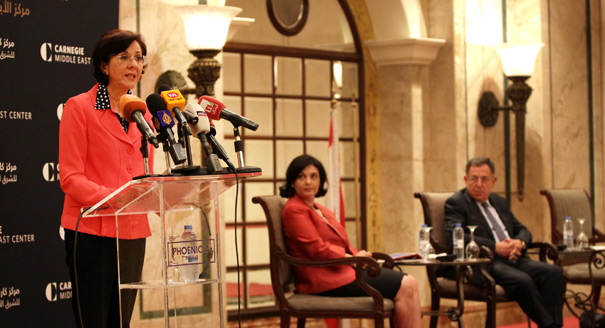
Arab integration offers a real opportunity for critical political, economic, social, and cultural developments, but significant challenges stand in the way of comprehensive integration.