Carnegie Moscow Center

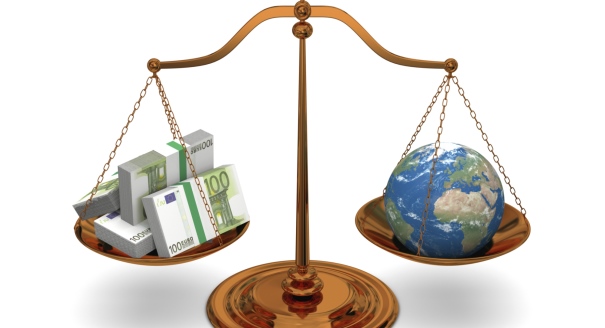
The EU’s external capabilities do not always match its financial needs. In a changing global economy, how can Europe’s economic interests align with its foreign policy goals?
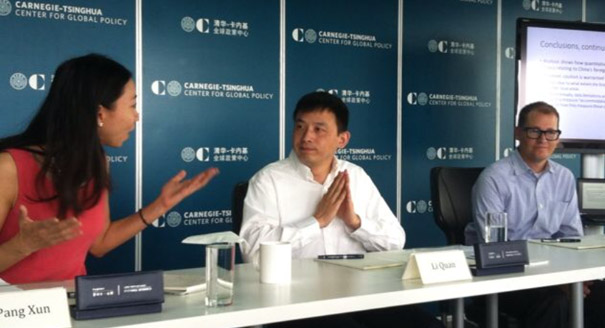
As a critical part of a rapidly developing region that is a hub for global trade and business, it has become crucial for China to build more sustainable and positive relations with its neighbors amidst a multitude of challenges and tensions.
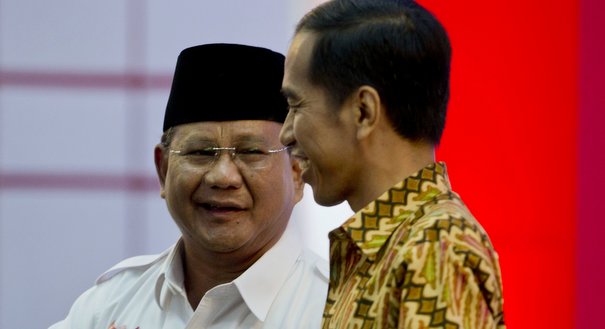
Indonesian presidential candidates Prabowo Subianto and Joko Widodo both have the capacity to bend Indonesia’s arc of history—but each in a different direction.
China’s National Petroleum Corporation and Russia’s OAO Gazprom signed a multi-billion dollar gas deal with far-reaching implications for geopolitics and global energy markets. Whether this represents a meaningful pivot eastward by Russia remains to be seen.
It is time for NATO members to engage in a real strategic debate about why defense matters and what must be done to uphold both the transatlantic relationship and its values.
As Europe faces heightened security challenges, the EU must lay out its future priorities, partners, and choices to develop its role as an autonomous international actor.
The recent capture of Iraq’s second-largest city of Mosul by the jihadi extremist group ISIS has plunged the country into chaos.
Narendra Modi’s accession as India’s new prime minister raises questions about the future of India-Bangladesh relations. Modi’s predecessor enjoyed a strong relationship with Dhaka, although he did not conclude key agreements on border demarcation and water sharing.
Amid ongoing negotiations on a transatlantic trade and investment partnership, it is unclear how the deal could be opened up to third countries once talks are concluded.
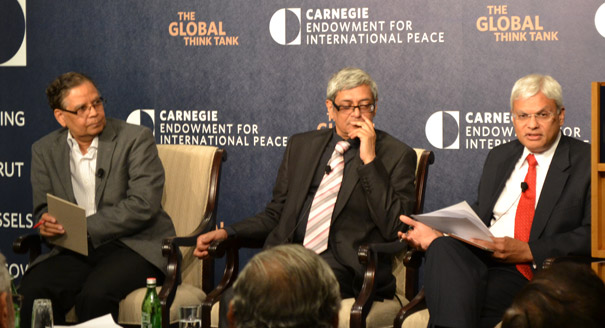
India has fallen far and fast from the runaway growth rates it enjoyed in the first decade of the twenty-first century. The recent election results have demonstrated a nationwide desire to reverse this trend.