Carnegie Moscow Center


In pursuit of long-term stability in its Southern neighborhood, the EU needs a new and effective strategy to protect its interests and promote its values across the region.

China’s growing maritime presence in the Indian Ocean and India’s increasing sea interactions in East Asia is shifting the focus of Sino-Indian bilateral relations from land to sea.
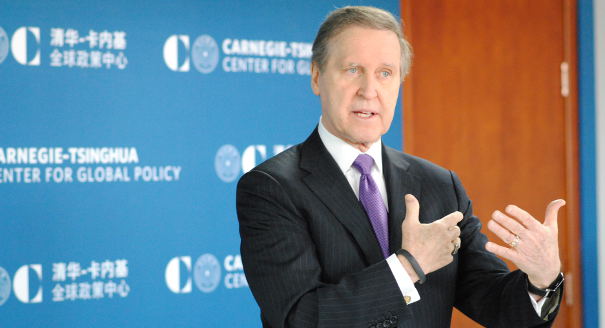
Only a few months in, 2014 is already set to be in important year for geopolitics.

Since its establishment in the 1970s, the global energy market has gone through significant change while regulations have remained stagnant. The global energy market urgently needs systematic reform.
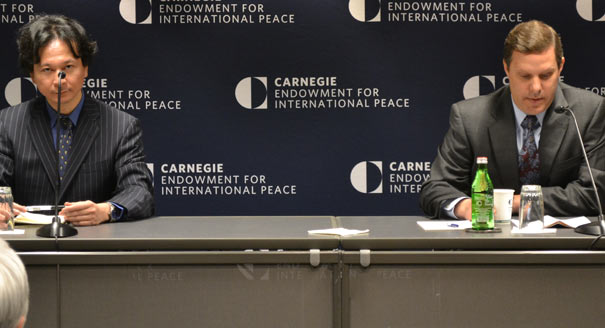
The North Korean nuclear threat is a growing concern in Tokyo and will influence the revision of the U.S.-Japan bilateral defense cooperation guidelines.
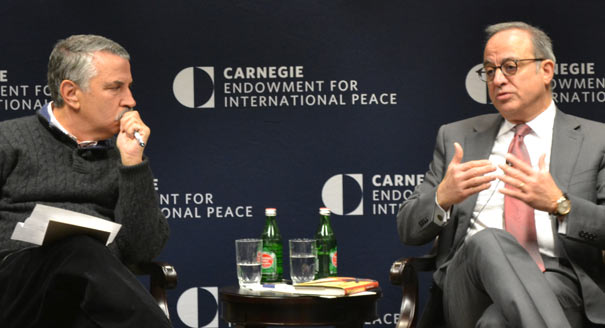
Three years after the Arab world was rocked by the uprisings that brought down longstanding autocratic regimes in Tunisia and Egypt, the region remains embroiled in a transformational struggle for the future.
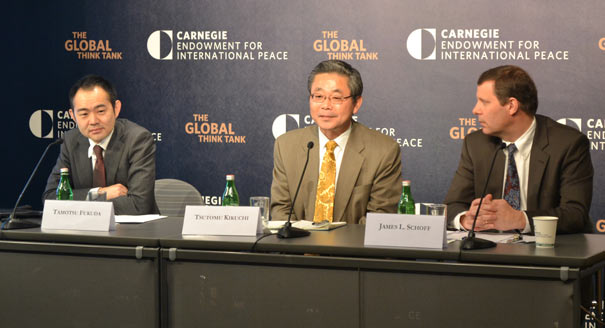
In an unprecedented display of proactive foreign policy, Japanese Prime Minister Shinzo Abe visited all ten ASEAN nations during his first year in office and hosted a special ASEAN leadership summit in Tokyo.

The EU’s approach to its neighbors is not working. Launching a fundamentally renewed European Neighborhood Policy should be a top priority for the EU leadership.
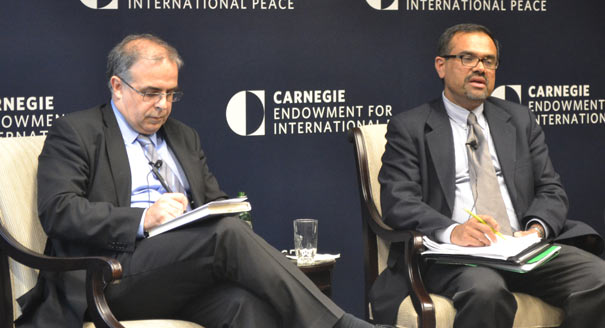
South Asia faces an array of security challenges. The ongoing U.S. withdrawal from Afghanistan, the continuing violence in Pakistan, and the region’s intense militarization are creating a heightened sense of instability and unease among South Asian states.
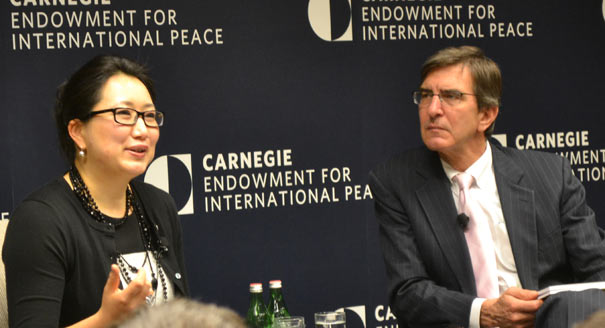
For a country whose importance in the global nuclear order is of potentially great significance, remarkably little is understood about the domestic drivers behind Brazil’s nuclear policy decision making.