Carnegie Moscow Center

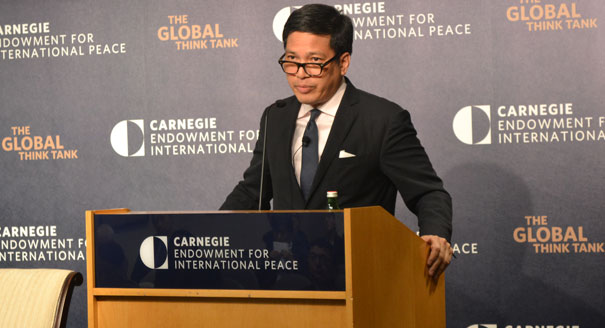
A number of challenges face Myanmar as it attempts to reintegrate with the rest of Asia and the world after decades of isolation.
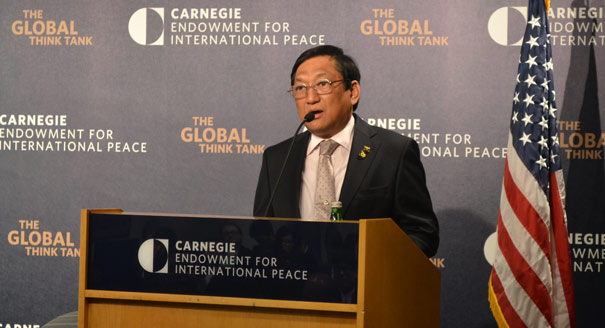
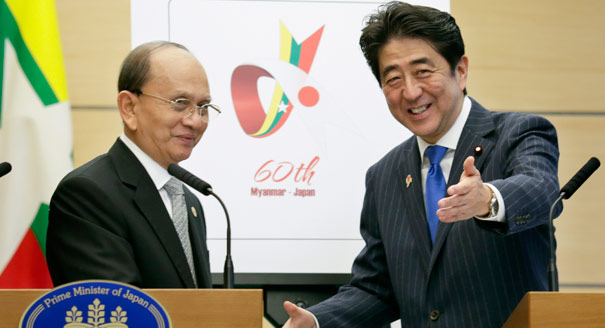
Ties between Japan and Myanmar are growing closer and more complicated.
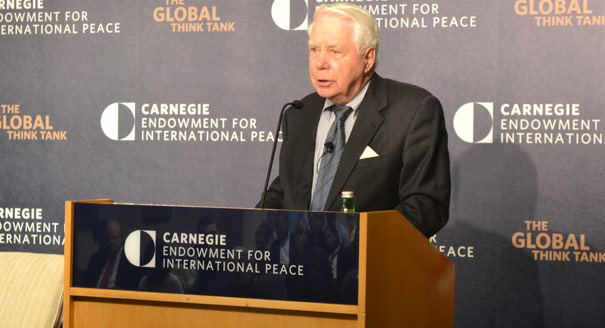
The political and economic transformation underway in Myanmar is an important strategic opportunity for the United States and Japan, given the country’s potential impact on the establishment of a stable and prosperous order in Asia based on democratic values and market-based economic policies.
The Association of Southeast Asian Nations (ASEAN) occupies a central position in Southeast Asia’s institutional architecture. But recent challenges have cast doubt on ASEAN’s ability to provide a common strategic vision for its ten members.

The EU could serve as a bridge to a more balanced approach to future energy supply and demand policies, infrastructure investments, and market outcomes.
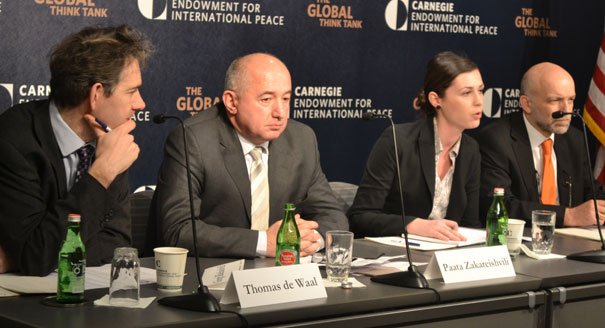
Despite an improvement in relations since 2012, Georgia and Russia remain at odds over the breakaway territories of Abkhazia and South Ossetia.
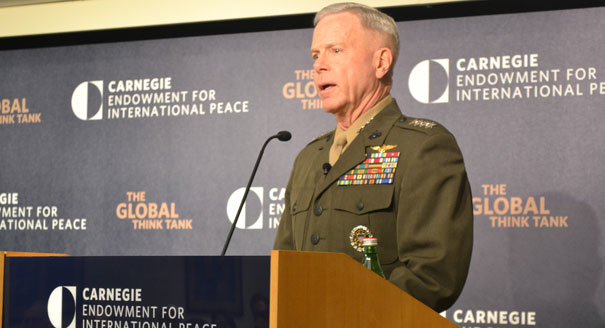
With counterinsurgency efforts in Iraq and Afghanistan drawing to a close, the U.S. military is facing an abrupt transition.

A slowing Indian economy, policy paralysis in the Indian government, and U.S. domestic distractions have combined to produce a drift in the bilateral relationship that is far more dangerous than the discord provoked by the recent diplomatic spat.
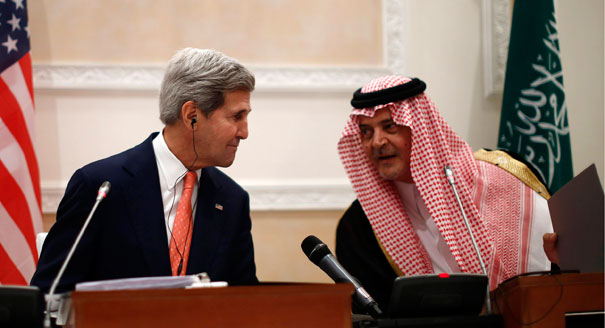
Recent developments in the Middle East have presented new challenges to the foreign policies of Saudi Arabia and the Gulf Arab states.
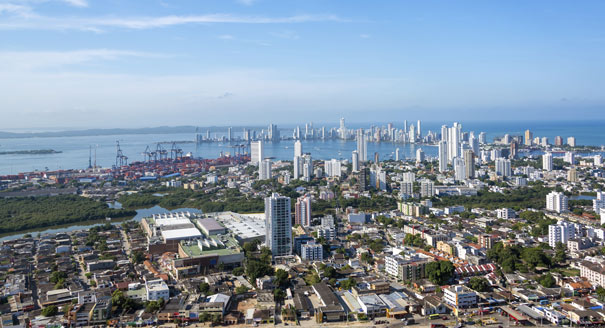
Latin America remains a region of immense economic and strategic significance to Europe and the United States. Both must work with Latin American counterparts to effectively confront the region’s challenges.