Carnegie Moscow Center

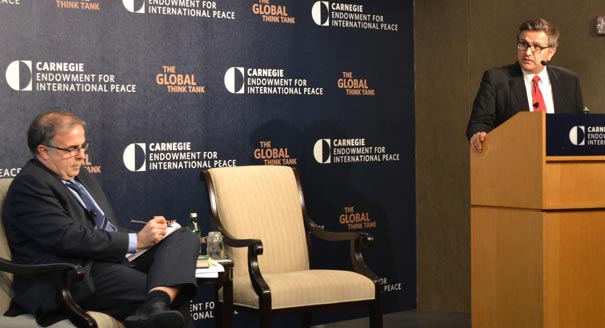
There has only been one peaceful transfer of power in Pakistan since the country gained independence in 1947, and the military has either directly or indirectly ruled for over three decades.
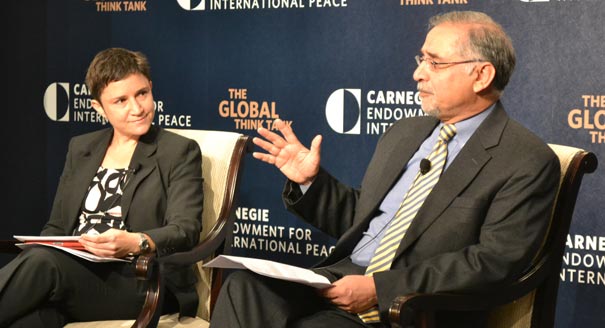
As campaigns have become more expensive and public funding has declined, Indonesian political parties have been forced to turn to alternative funding sources.
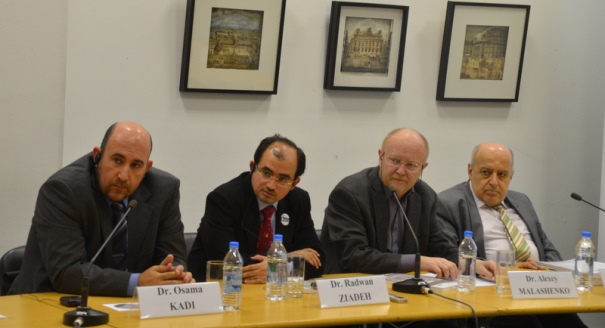
As the conflict in Syria continues, opposition groups have put together a plan named the “Syria Transition Roadmap” that they hope will lead the country into the future.
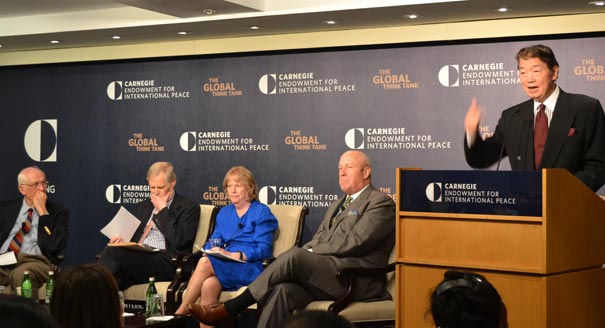
The Taiwan Relations Act, signed in 1979, is the cornerstone on which Taiwan-U.S. relations have been built.

Having struggled for years to overcome member-state ambivalence and institutional fragmentation, it is time for the EU to start punching its weight in the international arena.

International support for democracy and human rights faces a serious challenge after its increased influence in the last decades.
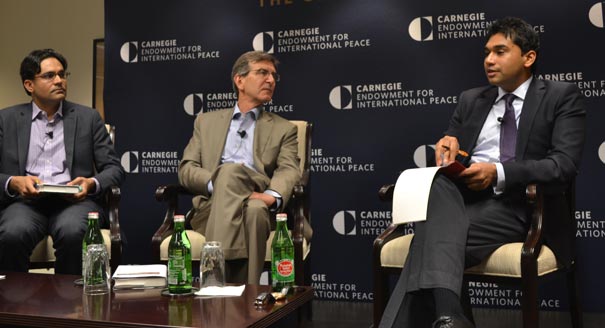
Over the last two decades, the U.S.-India relationship has evolved from one of mutual suspicion to one of strategic partnership. Yet the relationship between the two great democracies is still a work in progress.
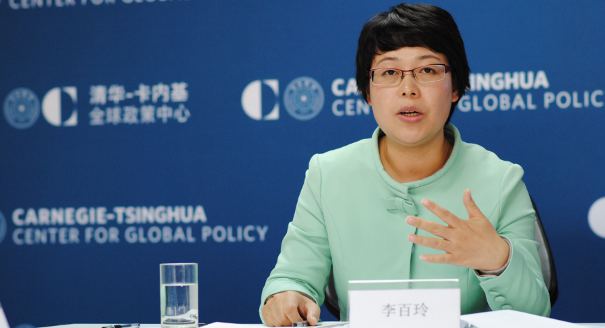
As China's economic and military strength has grown over the past decade, more attention has been placed on how Beijing can enhance its soft power in parallel with its hard power.
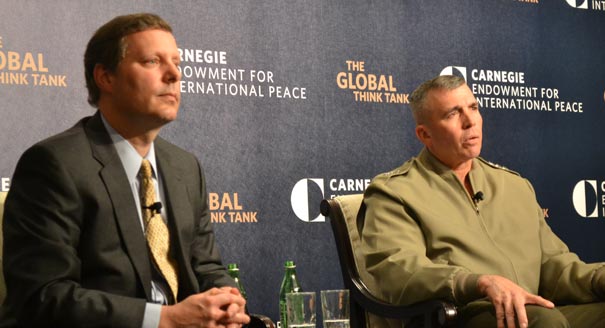
Lieutenant General John E. Wissler, commander of Marine Forces Japan, discussed how the United States is cooperating with its Japanese hosts and others in Asia as part of the rebalancing strategy.
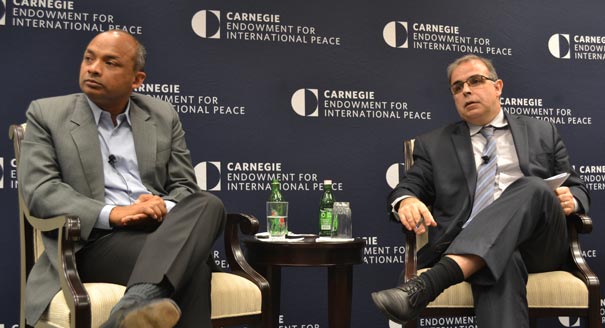
Journalist and policy expert Pramit Pal Chaudhuri assessed India’s successes and shortcomings of the past decade and analyze how this spring’s general election is likely to affect India’s economic and foreign policy landscape.