Carnegie Moscow Center

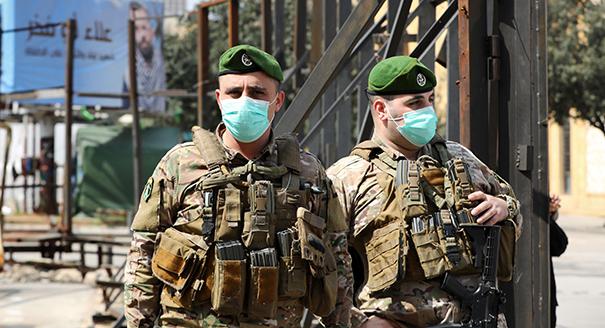
The coronavirus pandemic is changing perspectives on governance and how armed forces interact with society, but nowhere is this more salient than in the Arab world.
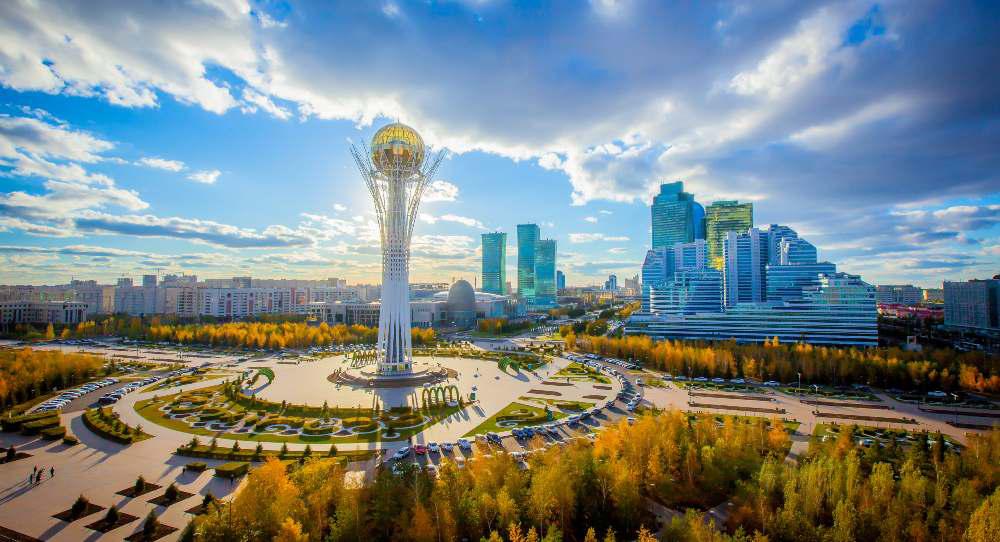
Like the rest of the world, Central Asian states and societies are being stress-tested by the COVID-19 pandemic. Can they withstand the storm?
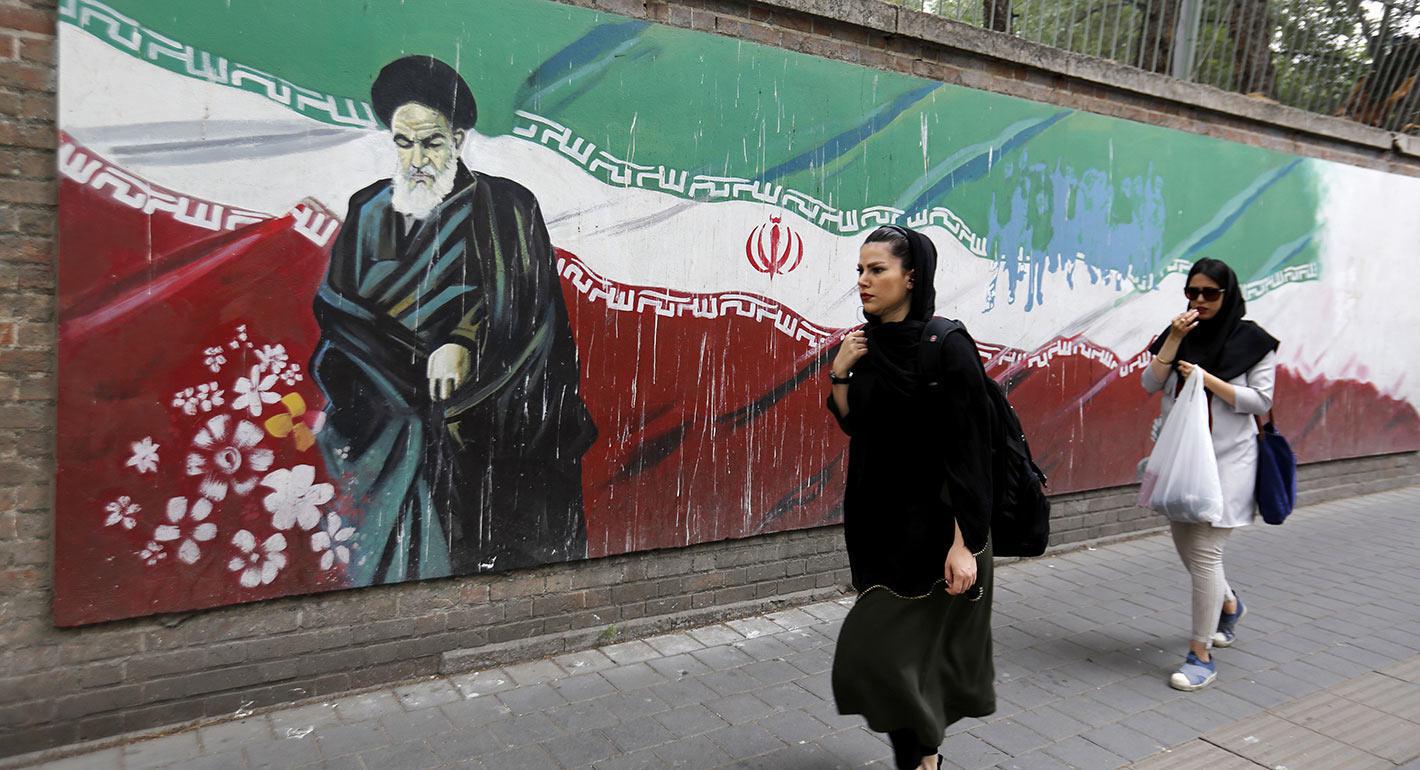
Since 2018, the U.S. policy of maximum pressure on Tehran has led to an escalation of tensions in the Persian Gulf region, with direct consequences for Europe.
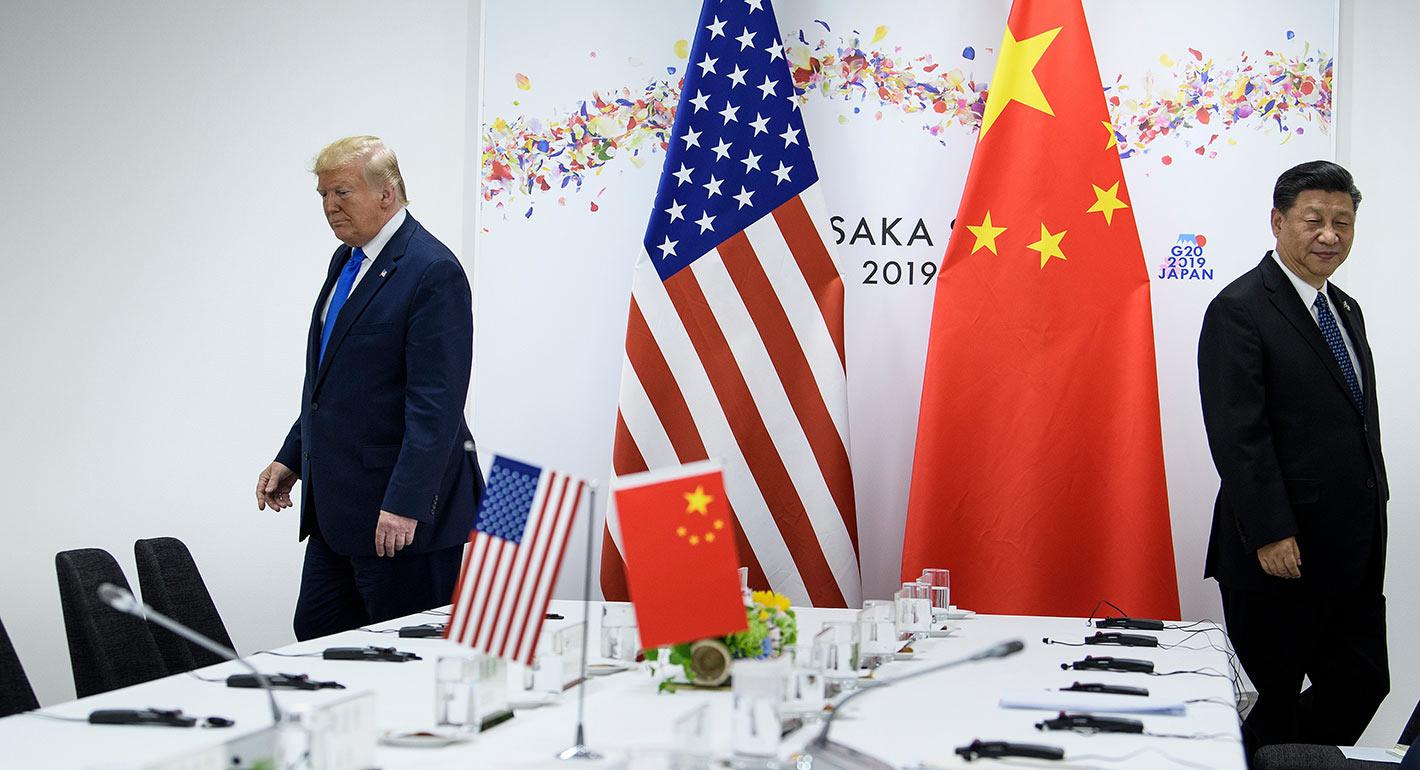
As the coronavirus pandemic continues to aggravate tensions between the U.S. and China, it has impeded multilateral coordination in tackling both public health and economic crises across the globe. India now finds itself in a pivotal position.
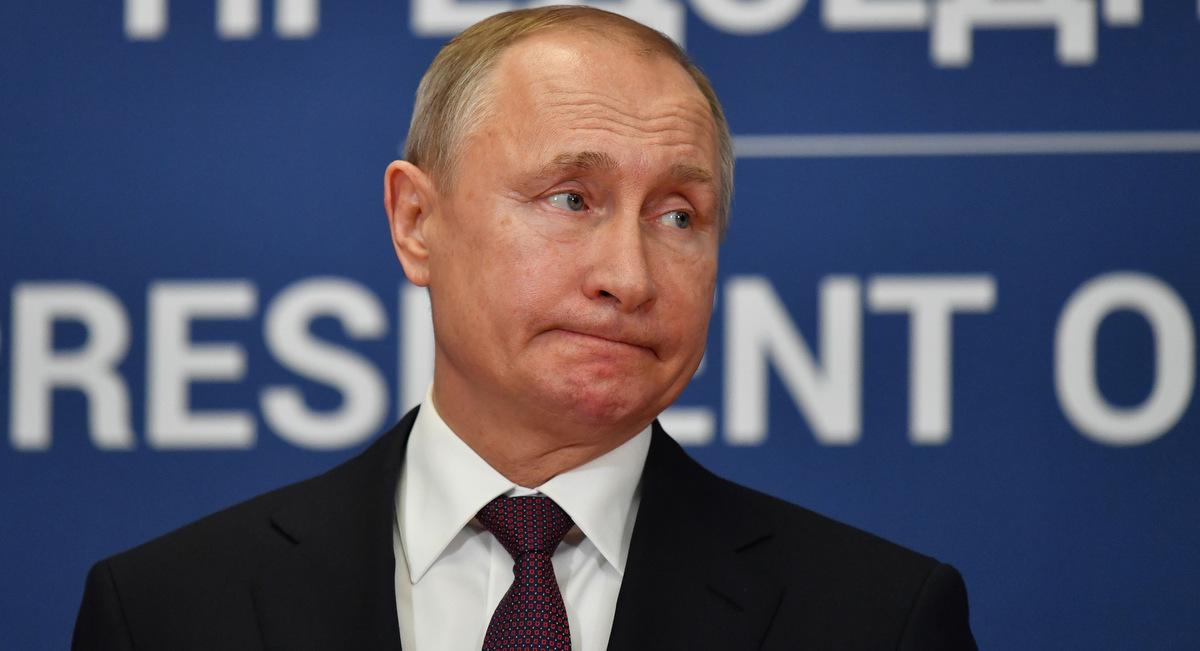
Is the world misreading the potential threat that the coronavirus represents for the Russian political system and President Putin’s hold on power? Are we overlooking the sources of resilience and inertia that are helping bolster a regime in its hour of greatest need?
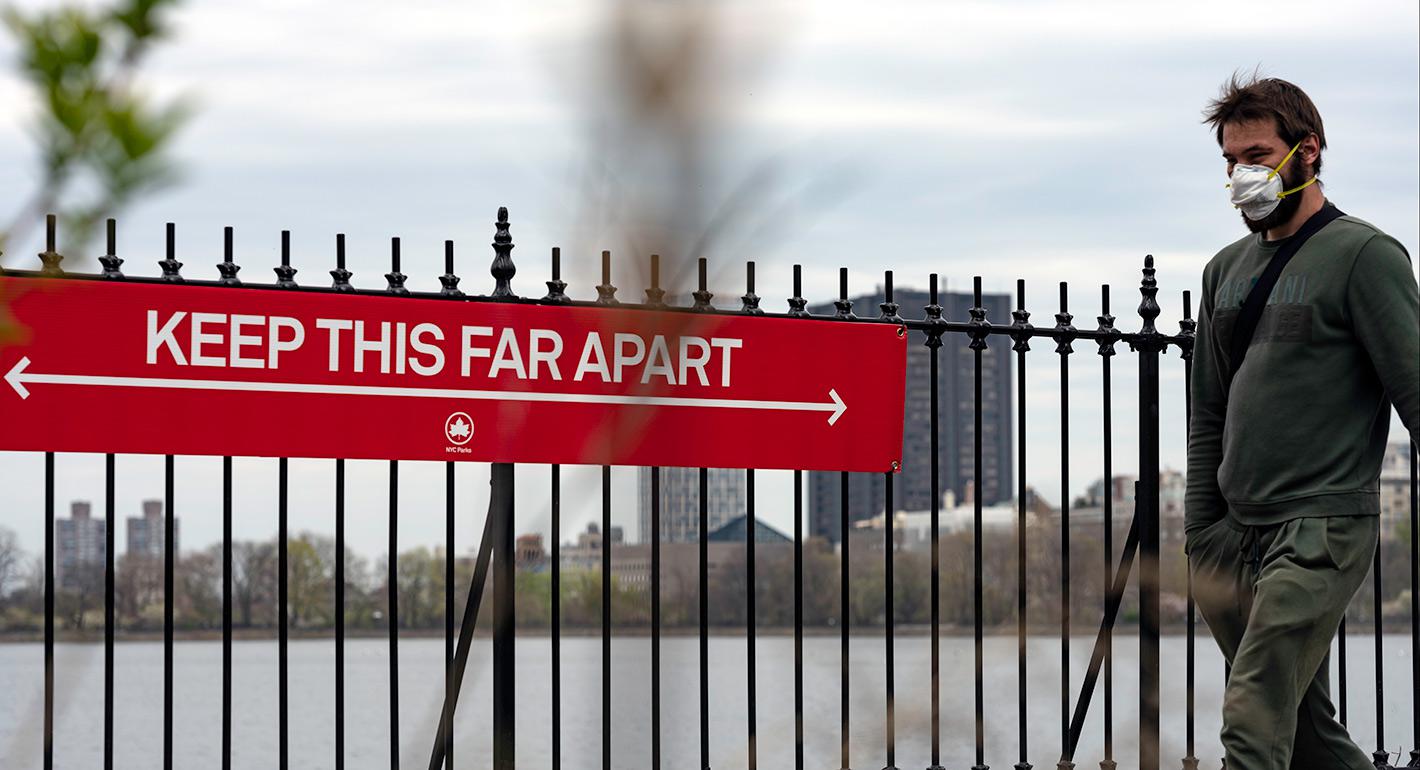
The 2020 coronavirus pandemic is the deadliest public health threat in a century and perhaps the most consequential event since the Second World War. It is not only an epidemiological threat, but a systemic crisis affecting the political, social, and economic structures of modern life.
Can the United States fundamentally rethink its defense strategy and avoid irreversible consequence?
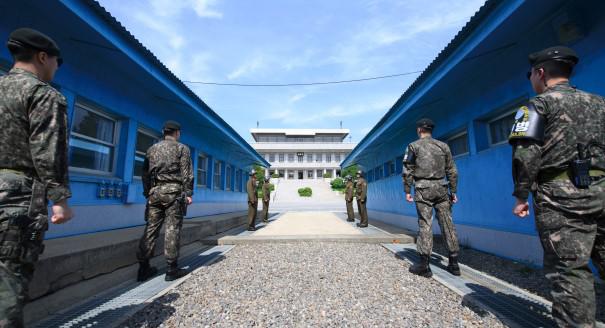
The recently released Korea Net Assessment addresses the gap between strategic realities and political assessments on the issues most important to Korean security: North Korea’s military threat, the health of the alliance, and South Korean relations with China and Japan.
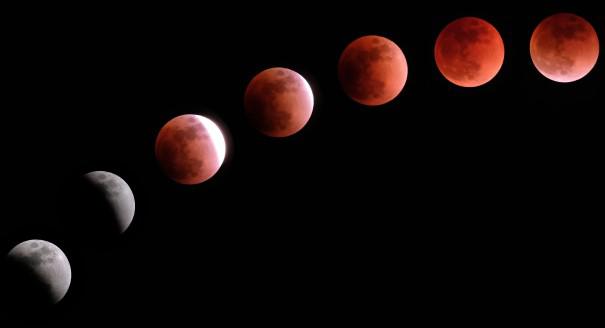
In two separate livestreamed sessions, Carnegie will convene key thought leaders behind Japan’s “Moonshot” program, the National Science Foundation’s “10 Big Ideas” program, the EU’s Horizon programs, and other fields of science collaboration.
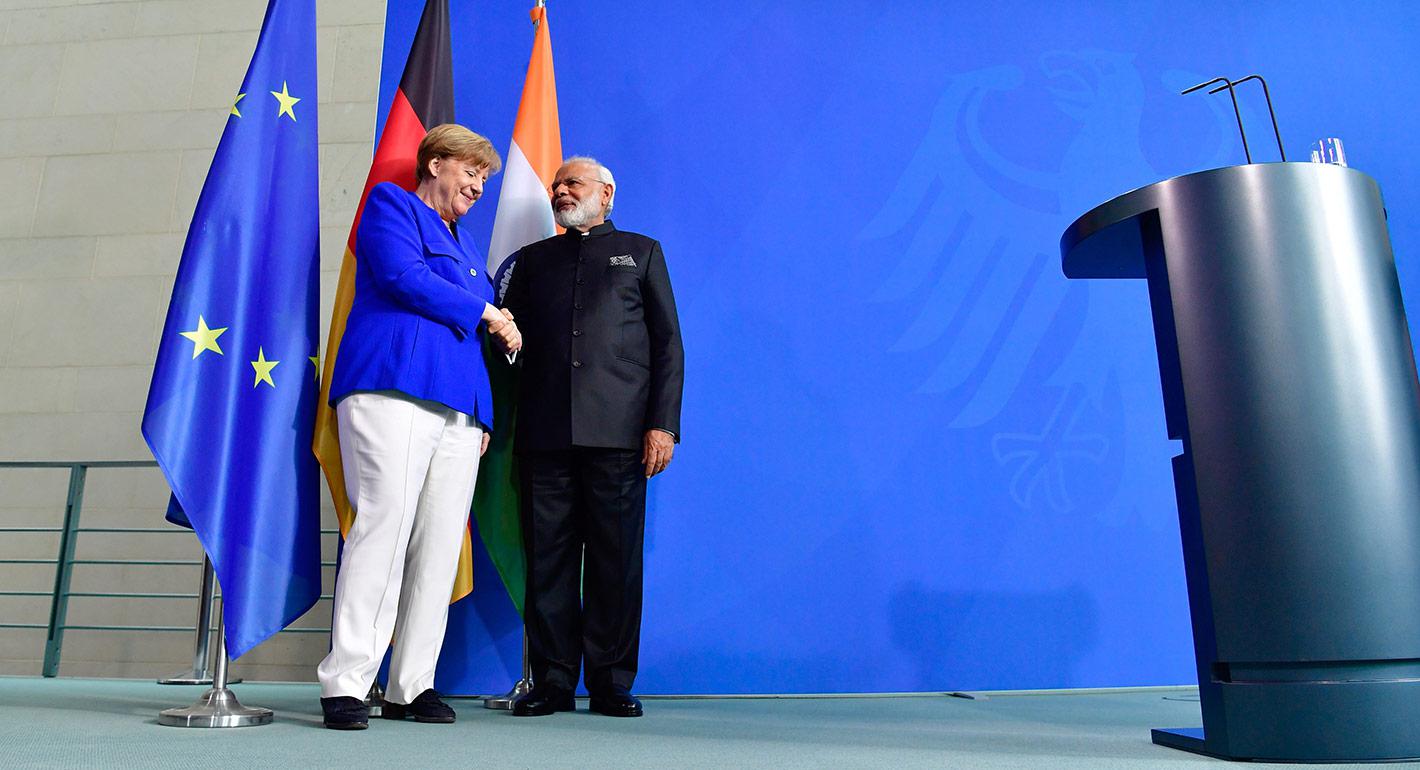
The coronavirus pandemic coupled with a fragmented multipolar world has led to widespread disruptions in global trade and investment. Can India and the EU leverage their strong economic and security ties to deal with the evolving geo-political consequences of the pandemic?