Carnegie Moscow Center

More than 100 education experts from around the Arab world discussed the findings of the Carnegie citizenship education project and to present the papers commissioned by Carnegie that examined how citizenship education can be adopted into the curricula of Egypt, Tunisia, Oman, and Lebanon.
The Indian nuclear energy industry is evolving as the country looks for new sustainable ways to power its burgeoning middle class.
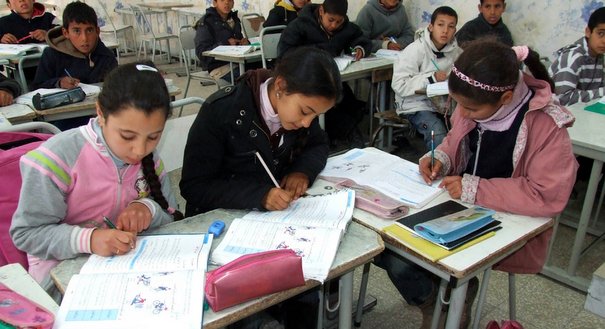
The Carnegie Endowment for International Peace, together with the Arab Fund for Social and Economic Development, held a regional conference in Kuwait City to consider the role of citizenship education in the Arab transitions.
With the emergence of the Indo-Pacific as the epicenter of global maritime activity, the rise of the Indian Navy has drawn much attention.
While drone strikes were seen in Islamabad as a violation of the country’s sovereignty, they were also arguably an effective counterterrorism mechanism.
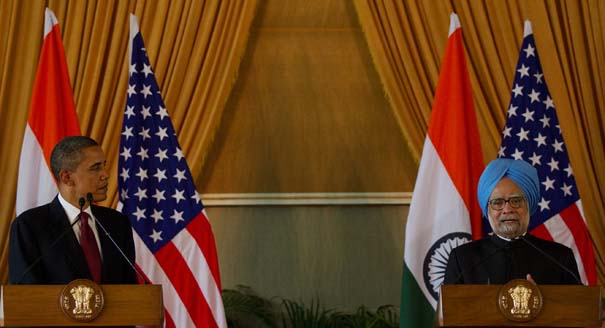
With India’s revitalized Look East policy and the U.S. rebalance toward Asia, New Delhi’s and Washington’s interests are converging. But both initiatives face challenges in the short term.
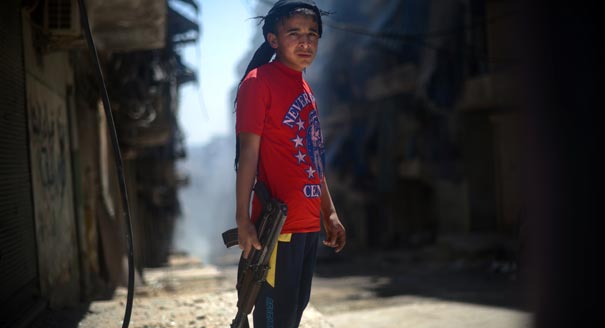
The two-year-old Syrian conflict sharply escalated in recent weeks, hence necessitating a renewed U.S.-Russian effort to find a solution to the crisis and solve inner tensions within the Syrian opposition.
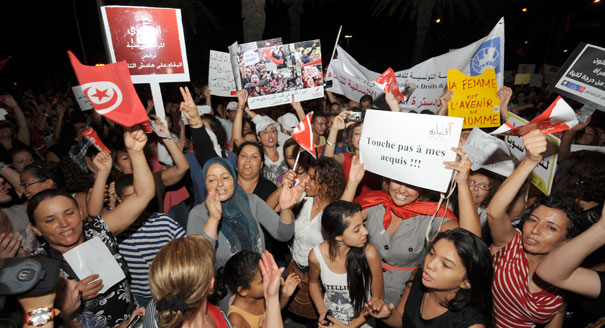
Women in the Middle East and North Africa continue to struggle to gain access to job opportunities and remain vulnerable to poverty.

Arab economies are plagued by unemployment, informal unprotected work, and income disparities. Policymakers need to set the conditions to create productive and inclusive societies and lift the region out of poverty.
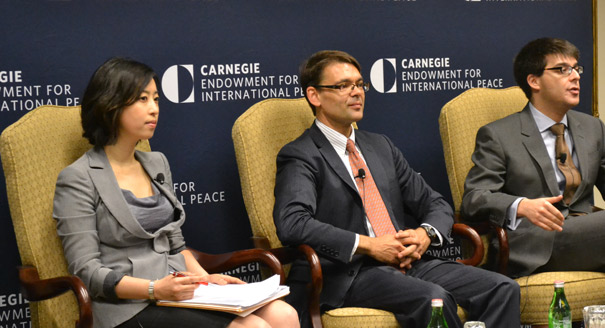
The latter half of 2013 will be critical for Japan’s nuclear future.