Carnegie Moscow Center

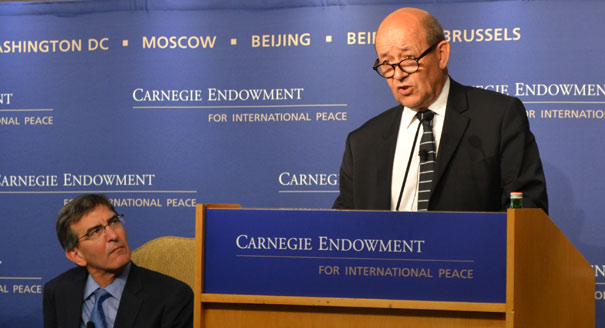
One year after President François Hollande took office, his administration’s new Defense White Paper outlines a significantly scaled down presence for the French military.

As the United States decreases its commitments in the Middle East and pivots its focus to Asia, it must find areas of common interest with a rising China if the two Pacific powers are to begin a new era of cooperation and mutual trust.
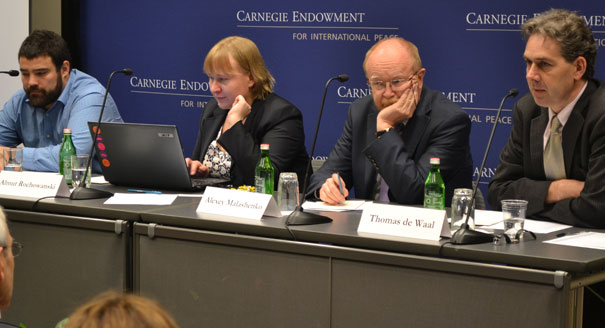
Since the Boston Marathon bombings, Russia’s relationship with its Muslim minorities has become the focus of intense scrutiny in the West.
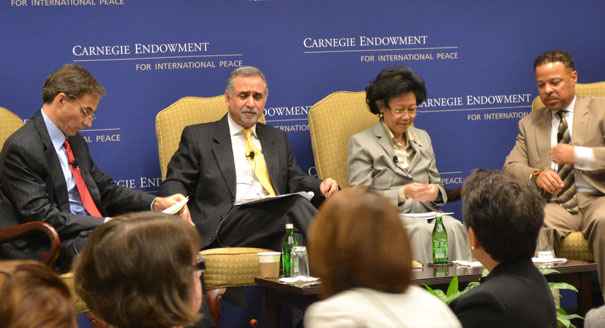
In a close general election on May 5, Malaysia’s ruling Barisan Nasional (BN) coalition retained power despite securing less than 50 percent of the popular vote.
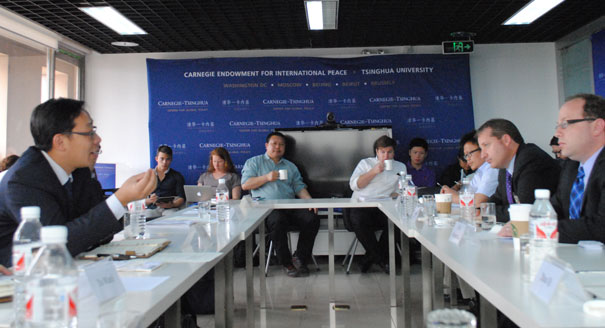
As China rapidly develops into a regional power with growing global influence, the United States seeks to engage it on a range of issues, especially international security.

Thus far, European countries have reacted to the events folowing the Arab Spring on an ad hoc basis, lacking a systematic and effective approach toward the Arab Spring.
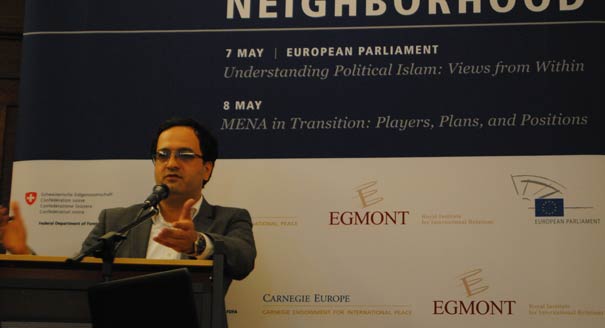
With the old status quo in the MENA region unraveled, regional powers are playing an increasingly important role in keeping regional stability.
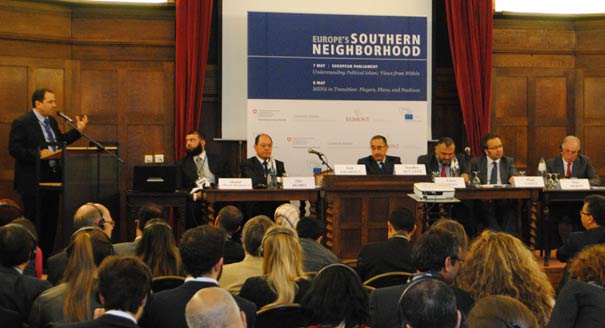
While the desire for liberal values did help fuel the Arab Spring, the Western perspective tends to overlook the underlying socioeconomic dimensions of the transition.
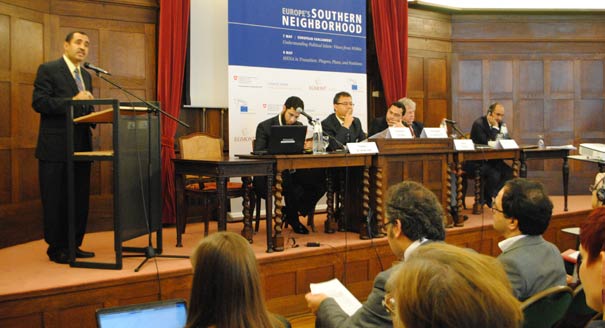
As countries in the Middle East and North Africa embark on constitutional reform, they face the challenge of providing a legitimate, inclusive constitutional process.
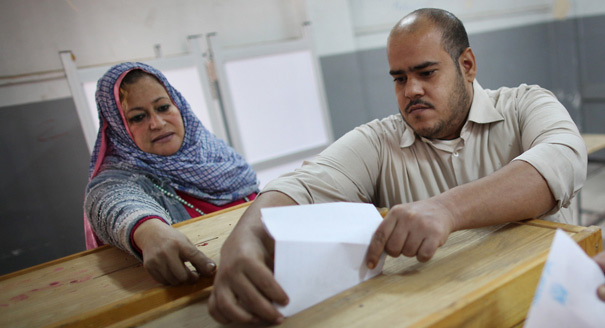
Europe must take into account the effect the Arab Spring has had on its southern neighborhood in order to move toward a more conceptual approach to transforming the EU-MENA relationship.