Carnegie Moscow Center

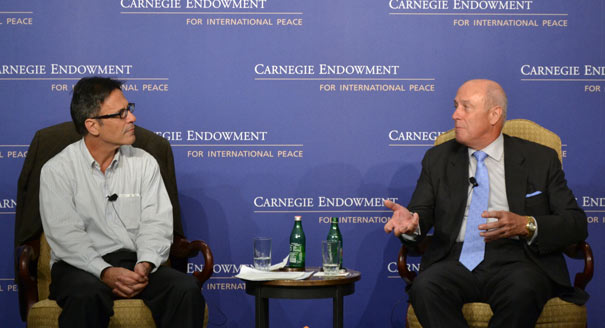
Although China's government seems serious about rebalancing the country's economy away from its over-reliance on investment, historical precedents suggest that this will be very difficult.

Current political trends could have a significant impact on Russia’s future development. Russia in 2020: Scenarios for the Future analyzes the potential impact of these trends.
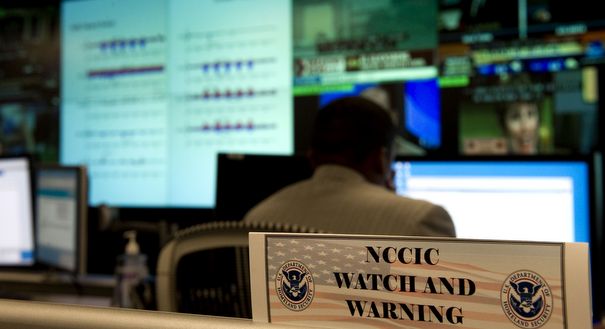
Cybersecurity is a nascent but growing factor in Sino-U.S. deterrence and security dialogues and brings new challenges for how best to deter, counter, and respond to an attack.
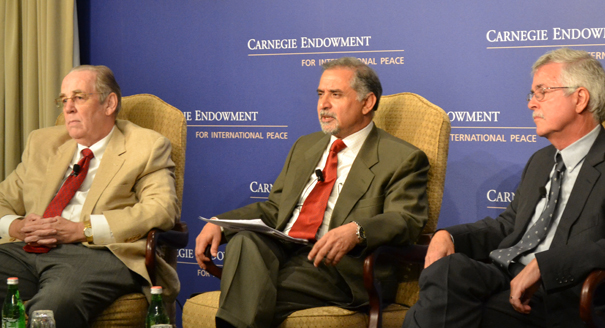
Indonesia—the fourth most populous nation on earth and the world’s largest Muslim country—is a vibrant, decentralized democracy that has enjoyed rapid and resilient economic growth.
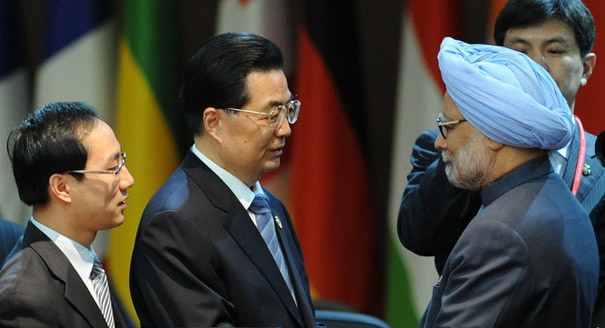
Mapping convergence and divergence between China and India's respective nuclear stances is essential to expanding bilateral cooperation on nuclear issues.
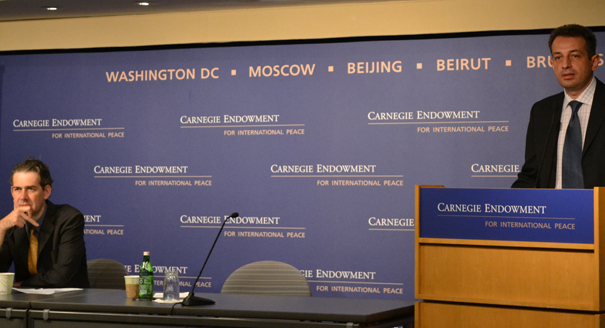
Ukraine continues to seek a course between full integration with both the West and the East, but the EU association process has stalled and Kyiv is resisting Russian pressure to join the customs union.
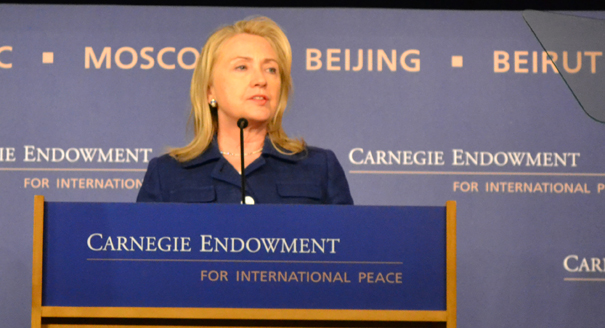
Secretary of State Hillary Rodham Clinton delivered remarks at Carnegie to mark the release of the State Department’s annual International Religious Freedom Report.

Algeria plays a central, but seemingly ambivalent role in the conflict in northern Mali.

Transportation in the United States accounts for roughly two thirds of national oil consumption and one third of national greenhouse gas emissions. Transportation policy is therefore crucial to addressing U.S. energy security and global climate change.
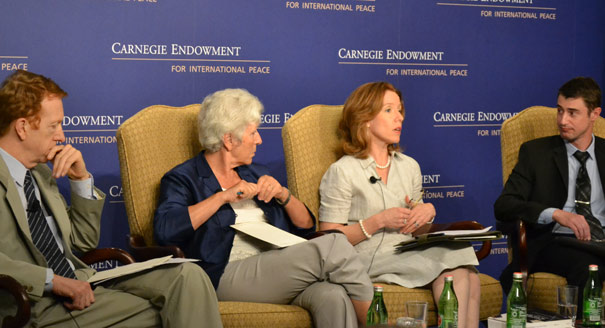
The successes and setbacks of other democratic transitions can provide insight into the problems ahead for the Arab Spring.