Carnegie Moscow Center

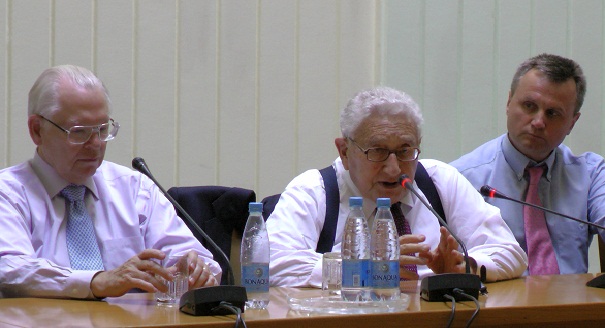
Carnegie's Ukraine Program hosted a private discussion on global trends and opportunities with Dr. Henry A. Kissinger.
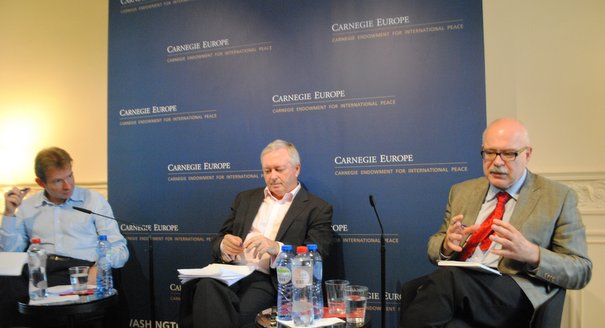
China and Russia have formed an alliance ranging from continued opposition to intervention in Syria, to their seeming mutually reinforcing global governance agenda.
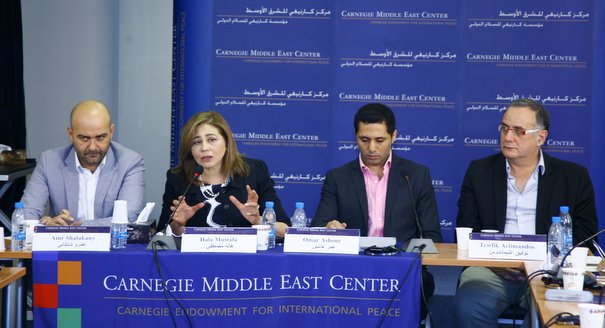
Egypt’s new president will face a host of political and economic challenges, amid high expectations and aspirations from the population.
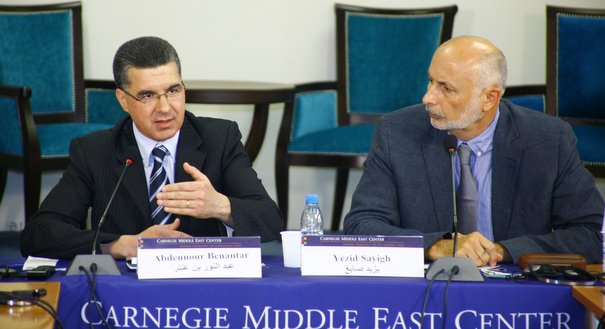
Algeria faces complex political and security challenges in both its domestic and international relations, prompting the government to consider a stronger alliance with Arab regional organizations in the name of national stability.
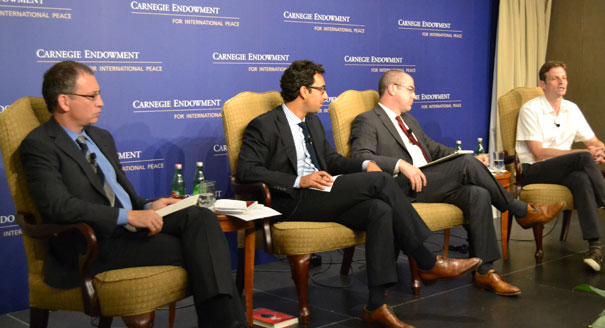
Amid the Arab Spring uprisings, the global war between freedom and repression is often perceived as a battle that pits tech-savvy, globalized democrats against out-of-touch, dim-witted dictatorships.
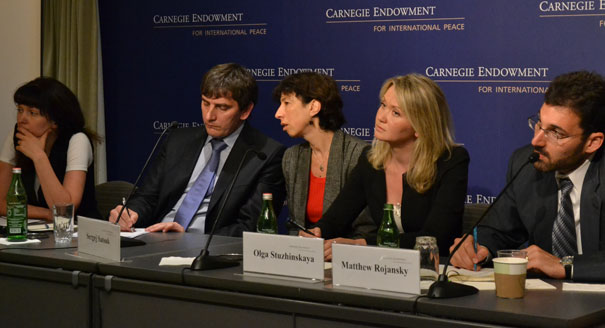
One year ago, the Belarus policy community lost one of its brightest stars, Vitali Silitski, director of the Belarusian Institute for Strategic Studies (BISS). To honor his memory, Carnegie hosted a discussion of the current situation in Belarus.

Public opinion plays a strong, though different, role in the development of foreign policy in both China and the United States.
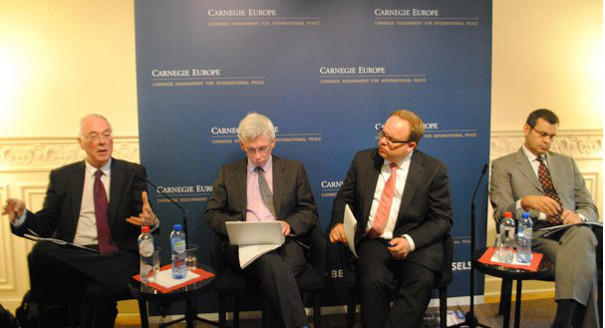
Though leaders on both sides of the Atlantic are preoccupied with a number of current pressing issues, NATO's nuclear dilemmas cannot be put off much longer without undermining its cohesion and strength.
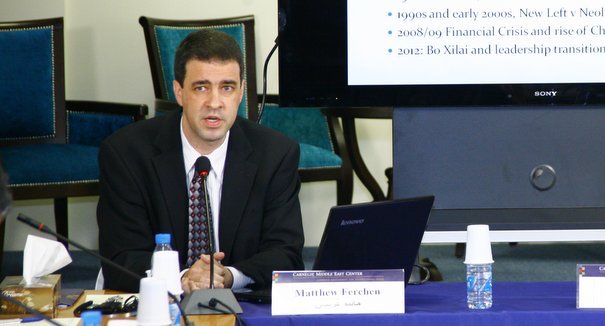
As China’s global clout grows, Beijing faces new challenges in maintaining stability at home and in its interactions abroad.
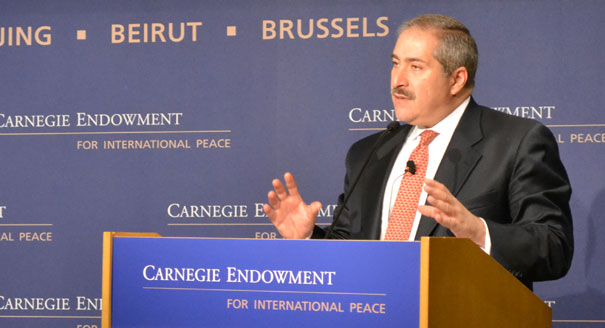
Jordanian Foreign Minister Nasser Judeh delivered an address at Carnegie on the Jordanian perspective regarding recent developments in the Middle East.