Carnegie Moscow Center


Southern Asia is undergoing a significant transformation in the strategic force postures of its principal states.
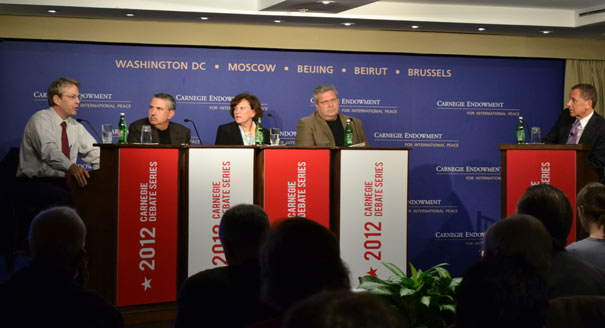
David Rothkopf moderated a debate with Thomas Friedman, John Ikenberry, Robert Kagan, and Jessica T. Mathews on how the next American president should engage the world.

Internet regulation is particularly critical for two issues: protecting children from harmful Internet content and fighting extremism.
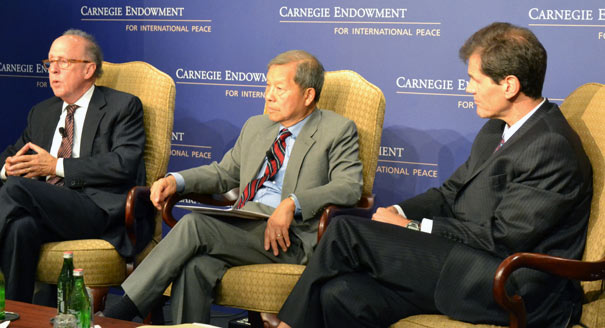
There is increasing concern that China’s economic slowdown is intensifying. However it turns out, this slowdown is occurring at a particularly inopportune time for China—just as the next generation of leaders is being anointed.
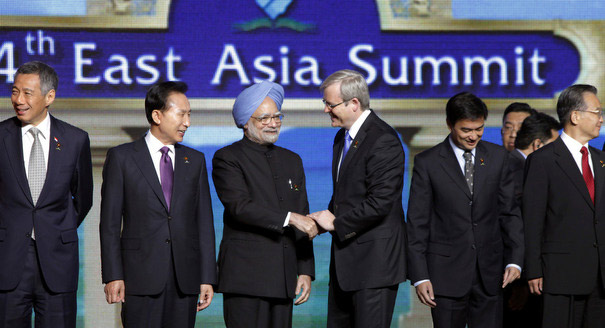
India’s own strategic policy is coming into play as it forges close economic links to the rest of Asia.
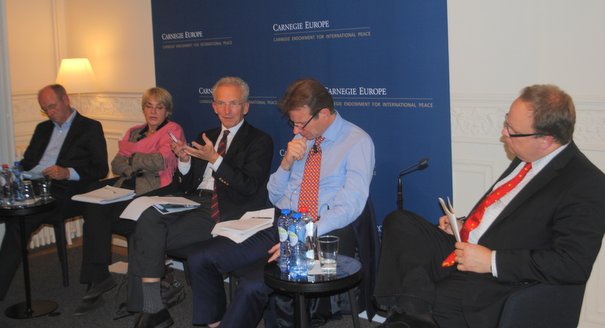
As the EU struggles with the ongoing euro crisis, the attitude of the "big three" will crucially influence the future scope and direction of its role in international relations.
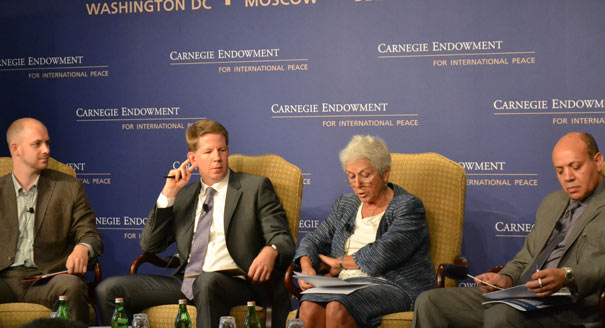
Nearly four decades of the Qaddafi regime’s systemic marginalization and mismanagement of Libya’s eastern and southern regions have resulted in deep security, political, and economic problems that continue to challenge the country’s transition toward democracy.
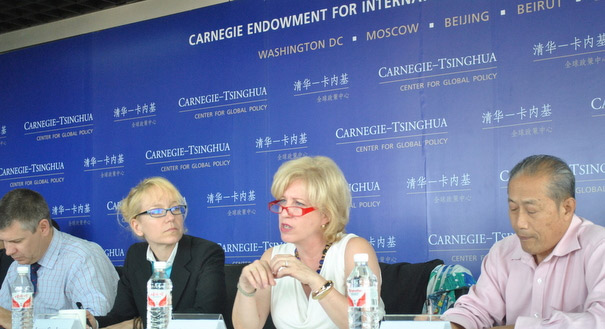
Nuclear cooperation between the United States and China is more robust and effective than many believe, although there is still ample room for improvement.
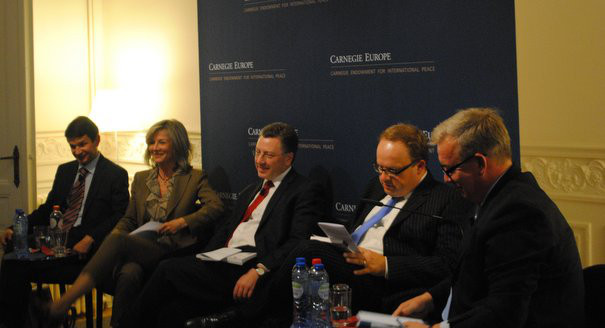
At a time when transatlantic leaders face multiple crises, the Nordic-Baltic region is an un-sung success story that offers a model of how to retain U.S. engagement in Europe.
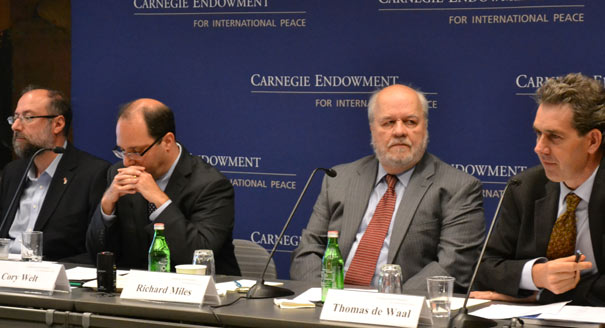
On October 1, Georgia votes in a parliamentary election which is set to be its most important and closely-watched contest since the Rose Revolution of 2003.