Carnegie Moscow Center

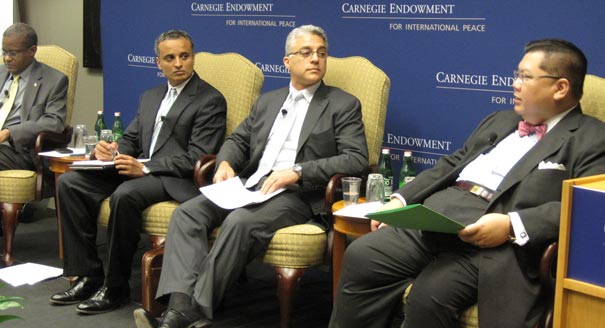
While much attention has been focused on the crisis provoked by the March 22 coup in Mali's capital, events in the northern part of the country may have greater regional implications.
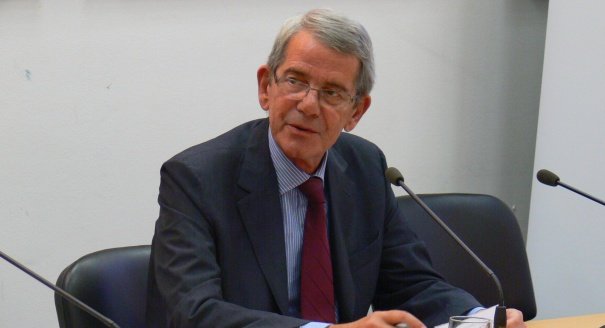
The current economic crisis presents Europe with serious challenges, but also with the opportunity for reflection and change.
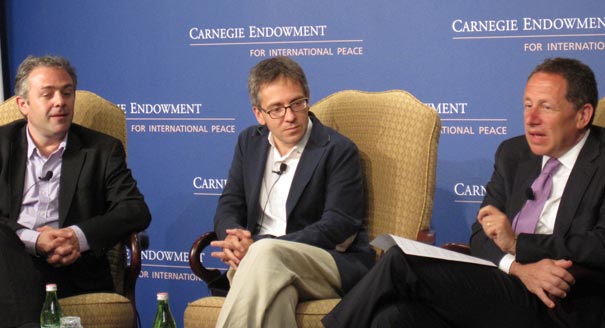
America’s role in the world is changing as a result of profound social, economic, and political challenges. What will be the geopolitical consequences?
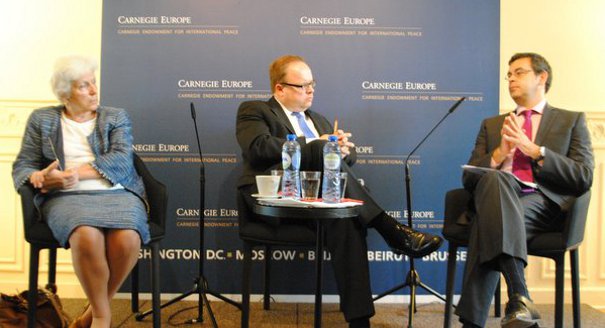
As the Egyptian presidential election draws near, violent unrest continues in Cairo affecting both the political balance in Egypt and the dynamics of change in the region.
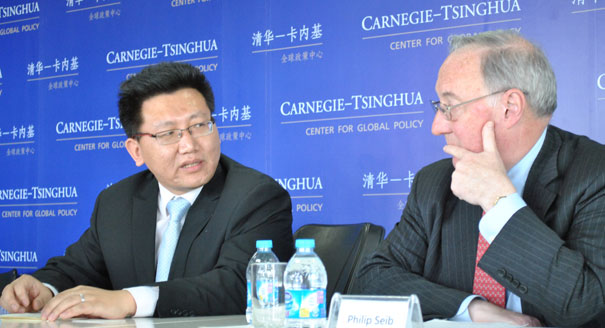
Under the rising influence of social media, "real-time diplomacy" has challenged traditional forms of diplomacy.
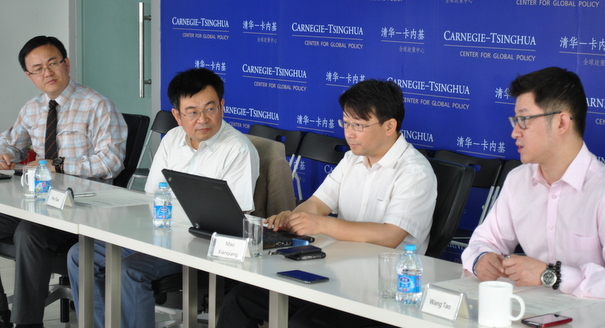
Coal now accounts for 80 percent of China’s power generation. This has a severe impact on air pollution and the health of the Chinese population.
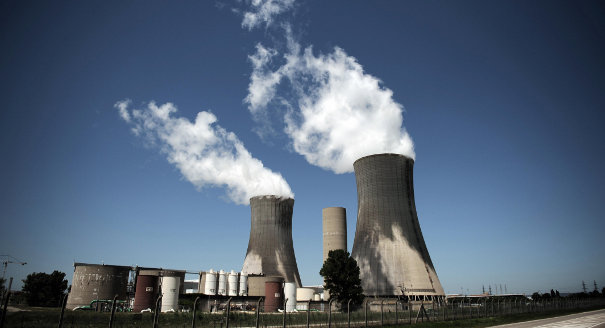
Nuclear power, with its inherent safety and proliferation challenges, continues to grow in popularity among some states seeking to deploy sustainable alternatives to traditional fossil fuels.
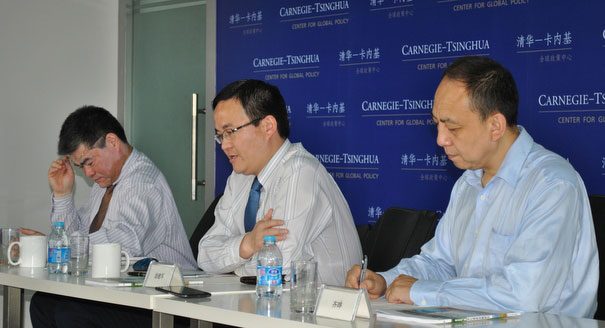
Changing weather patterns prompted by global climate change have highlighted how important adaptation is to counter the growing number of floods, droughts, and storms in China.
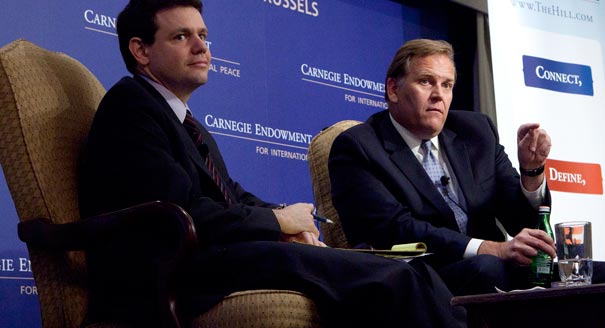
The Carnegie Endowment for International Peace co-hosted the launch of The Hill's new Global Affairs blog with a lunch discussion keynoted by Congressman Mike Rogers, chairman of the House Intelligence Committee.
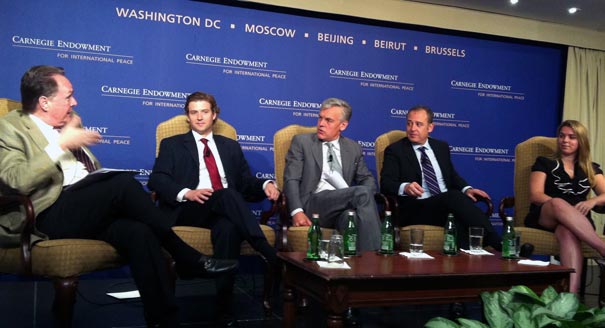
With the advent of new tools to connect cultures, increase awareness, and advocate policy positions, leading thinkers in diplomacy and communications are adopting new strategies for the digital age.