Carnegie Moscow Center

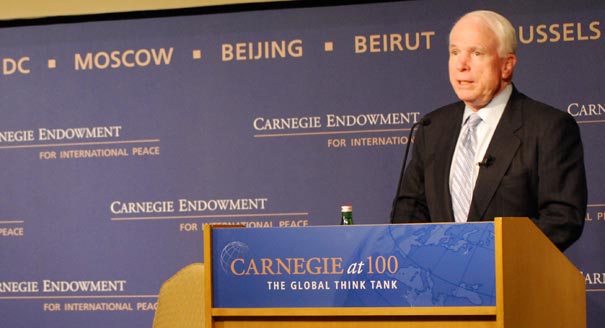
Ahead of May’s crucial NATO summit in Chicago, Senator John McCain discussed U.S. policy toward Afghanistan.
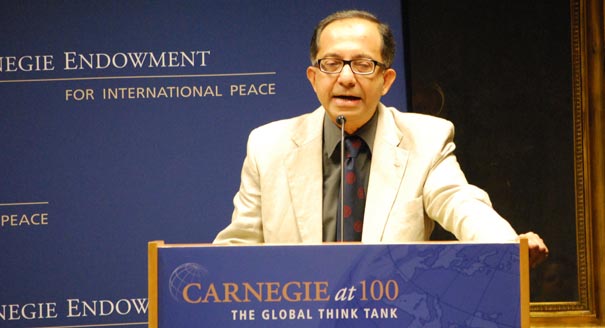
The recent slowdown in the Indian economy and stalled reform initiatives have raised concerns about India's economic prospects.
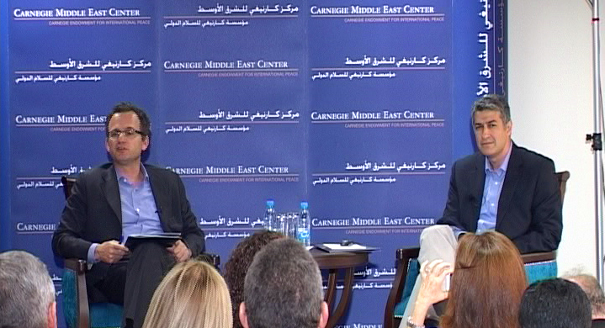
Four dynamics are leading to change in the Arab world: geo-economic, geo-social, geo-political, and technological. And with few exceptions, no political system will be able to support the dynamics currently in place over the long term, except for democracy.
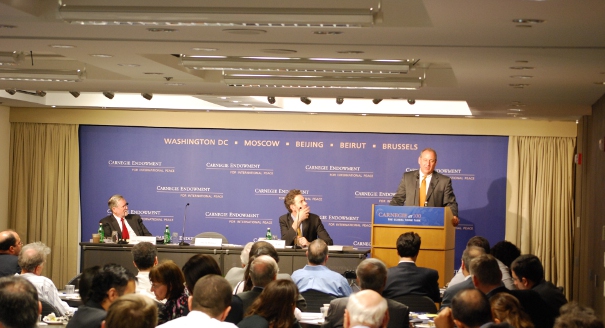
Interviews with U.S. and Swiss officials, as well as envoys from Turkey and Armenia, provide an insider’s account of negotiations resulting in the 2009 Protocol establishing diplomatic relations between Turkey and Armenia.
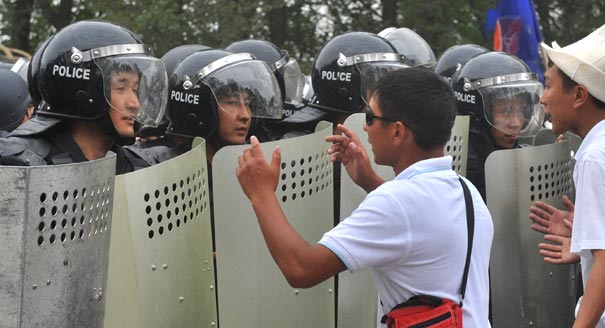
Few issues elicit the same global consensus as the importance of the rule of law, yet rule of law programming remains one of the most difficult and frustrating areas of international development work, with few best practices established.
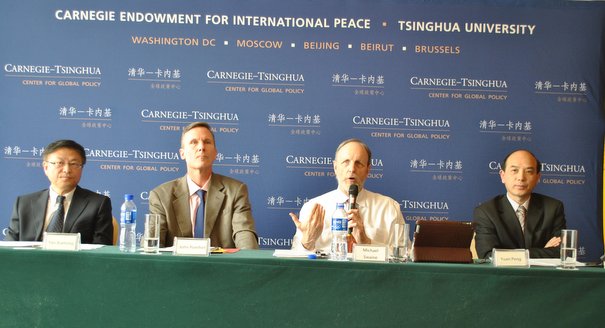
The U.S. pivot to the Asia-Pacific has created both tension and opportunity in its relations with China.
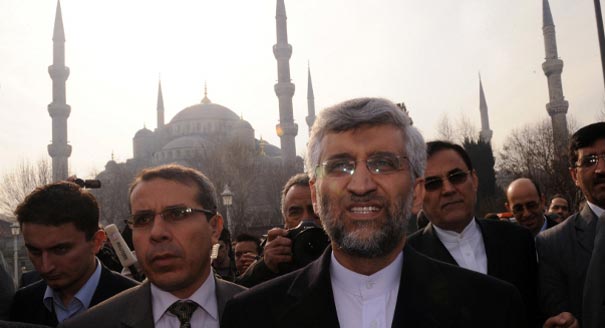
Nuclear negotiations between Iran and the P5+1 group are scheduled for April 13 and 14 in Istanbul. Is it possible for the United States to successfully engage Iran, or are negotiations with Tehran an exercise in futility?
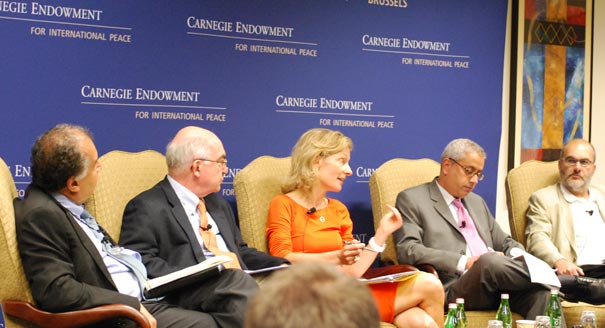
Soaring inequality is front and center in the electoral debate. How does the inequality trend in the United States compare with other countries?
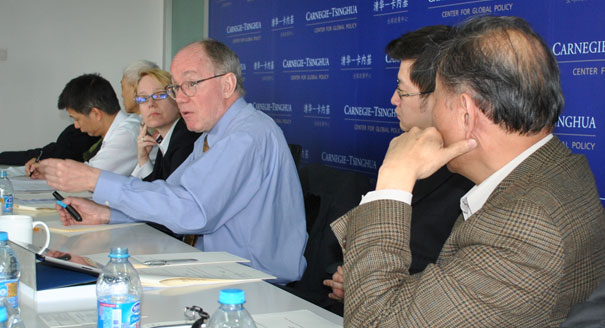
The month of March 2012 marked two major developments in the realm of nuclear safety and nuclear security with the one-year anniversary of the nuclear disaster at Fukushima Daiichi and the second Nuclear Security Summit held in Seoul.
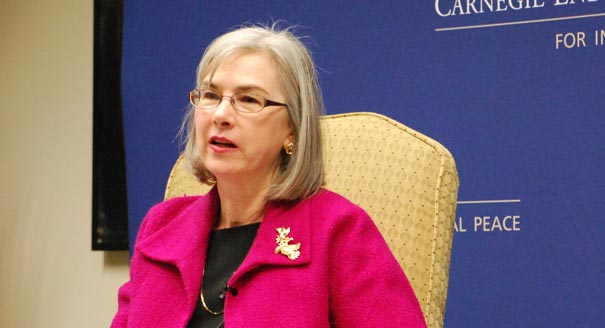
Ambassador Susan Burk, special representative of the president for nuclear nonproliferation, discussed progress on implementing the Nuclear Non-Proliferation Treaty (NPT) Action Plan, adopted at the 2010 Review Conference to strengthen the Treaty’s three pillars.