Carnegie Moscow Center

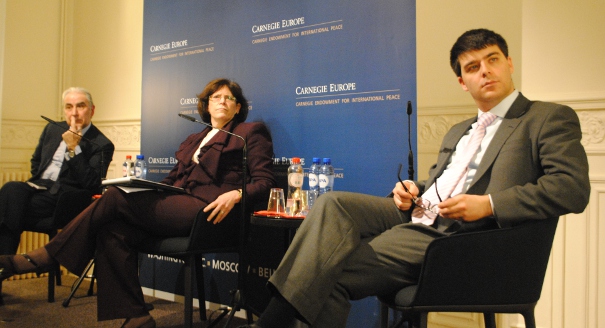
As global tensions over Iran’s nuclear program escalate, Tehran and the West have reached a standoff. To revive negotiations, a clear understanding of the key factors influencing Iran’s stance is paramount.
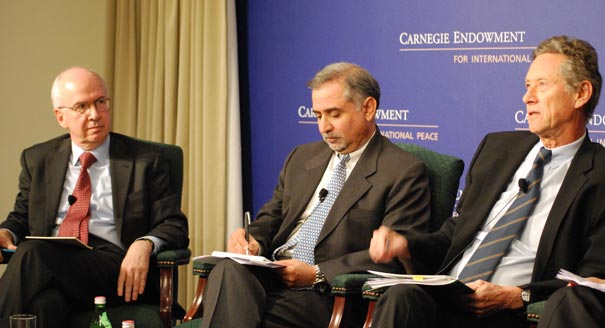
2012 has the markings of a difficult year. The future of the euro is inscrutable and Europe is likely already in recession. Growth is slowing in the major emerging economies, and the recovery in the United States remains slow and fragile.
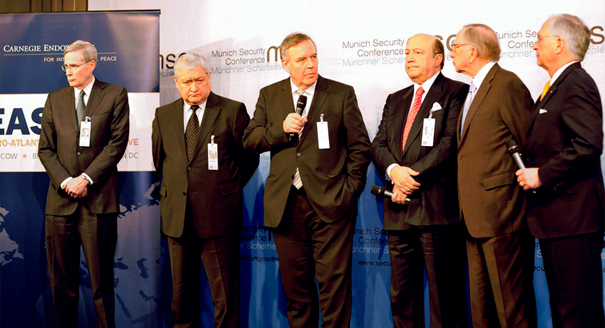
EASI brought together former policymakers, diplomats, generals, and business leaders from Russia, North America, and Europe to look at options to address the region’s faltering security system and to chart a roadmap of practical action that would lead to a more secure future.
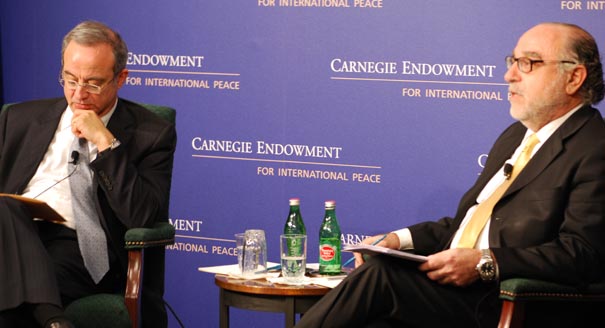
One year after the Arab Spring began, Lebanon reflects on its own experience with popular protests during the Cedar Revolution.
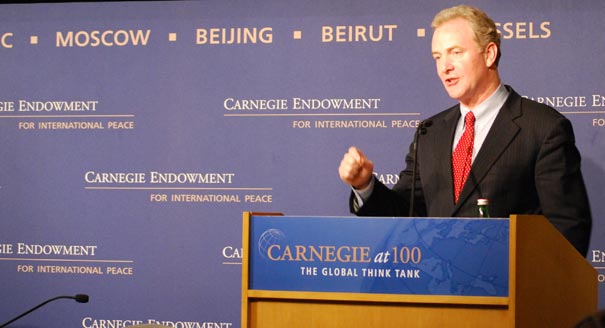
Congressman Chris Van Hollen, the senior Democrat on the House Budget Committee, discussed what steps Congress can realistically take during the months ahead to reduce unemployment and improve America’s long-term economic outlook.
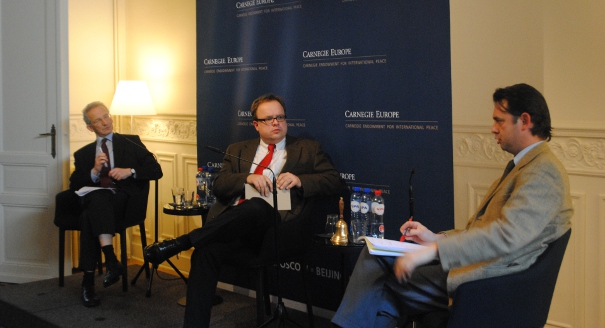
The European External Action Service suffers from a number of design flaws including a lack of genuine buy-in on the parts of key stakeholders, such as the member states and the European Commission.
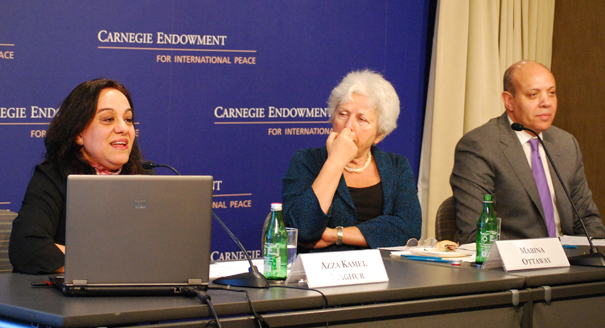
The Libyan transition has entered the difficult phase of creating a new political system, which will be shaped by both formal and informal processes.
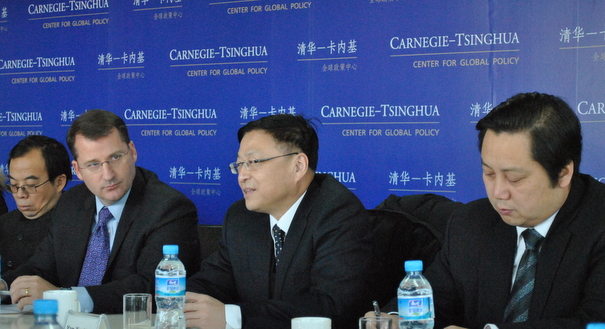
As China’s global presence grows, the role that it will play in the international systems remains hotly contested both inside and outside of country.
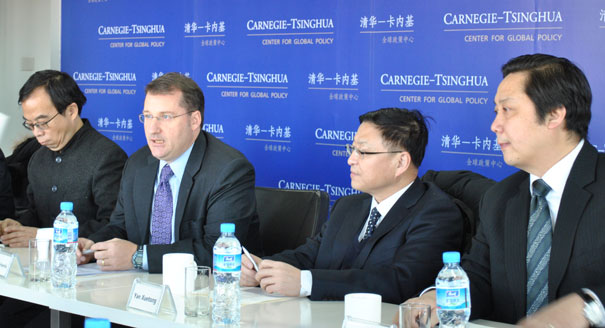
Amid discussions of a U.S. decline, the role that China will play as a global leader becomes an ever more heated topic. However, debate remains about whether China is ready or willing to be a global leader.
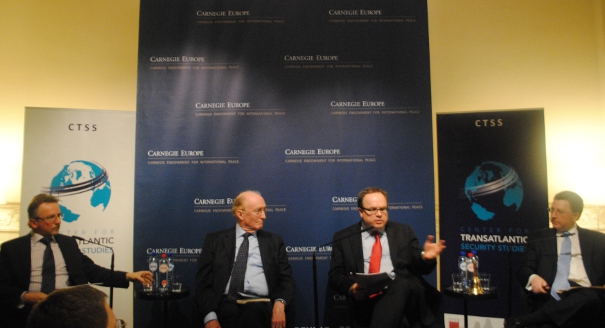
The success of the North Atlantic Treaty Organization's recent operation in Libya cannot paper over ongoing concerns within the Alliance over common goals and commitments.