Carnegie Moscow Center

In the past few years, the Nuclear Suppliers Group (NSG) has confronted two cases of nuclear commerce not compliant with its criteria.
California is adopting a mix of policies, regulations, and incentives that together provide a coherent and durable framework for creating a more sustainable transportation system.
On October 31, 2011, the world population reached 7 billion. However, for most of the post-Soviet nations, population levels have been declining.
Several aspects of China's coal value chain offers opportunities for U.S.-China collaboration to address carbon emissions.
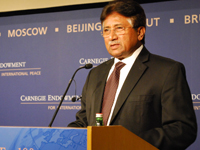
Former president Pervez Musharraf addressed the history of U.S.–Pakistan relations, recent tensions between the two countries, and his vision of the way forward.
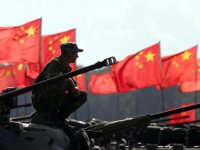
Talks between China and the United States on the countries’ respective nuclear weapons programs are going nowhere, with each side expressing frustration. The United States must find a way to promote more effective dialogue.
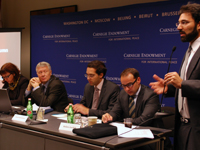
Twenty years after its independence from the Soviet Union, Belarus faces increasing isolation, possible economic collapse, and the brutal regime of Alexander Lukashenka.
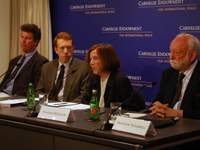
Supporting elections in conflict-prone contexts entails daunting challenges for the United States and other international actors. If poorly managed, elections can provoke or intensify violent conflict.
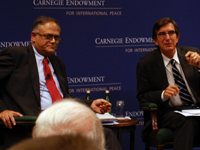
Except for brief durations and on rare occasions, U.S. perceptions about Pakistan have been distorted and inaccurate for the past 60 years. To a lesser extent, the same applies to Pakistani perceptions of the United States.
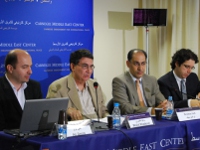
Gas in the Levant Basin has created a tug-of-war between Lebanon, Cyprus, and Israel, with each country taking steps to secure their respective share.