Carnegie Moscow Center

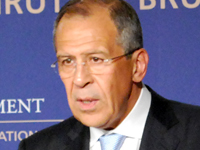
Sergey V. Lavrov, Minister of Foreign Affairs of the Russian Federation, discussed the outlook for Russian–U.S. relations, including the prospects for “resetting” the relationship.
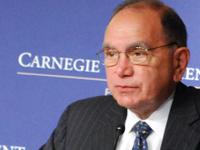
A recent Baker Institute study found that a Russia, Iran and Qatar gas cartel is unlikely. Instead of focusing on perceived threats, the U.S. should focus on regional conflict resolution and increasing dialogue within the Russian and Caspian regions. The Baker study featured research by several Carnegie scholars.
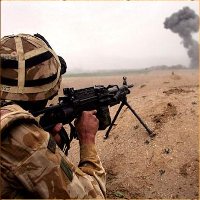
Returning from Afghanistan, Gilles Dorronsoro shared his observations on Afghan perceptions of Obama’s new strategy, and the implications for Europe.
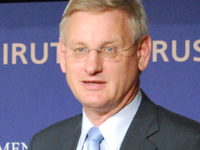
Carl Bildt, Sweden's Foreign Minister, said that his country's top priorities for its European Union presidency include signing a global climate agreement at Copenhagen, managing the political ramifications of the once-in-a-generation economic crisis, and building the infrastructure needed to reflect the EU’s growing global clout.
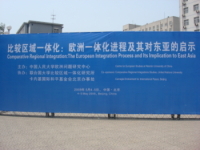
Carnegie Beijing co-sponsored a conference to examine the implications of European integration for East Asia.
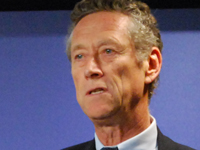
The global economy is on a knife-edge, teetering between a vicious and a virtuous cycle. Policies in response to the crisis will determine whether the global economy emerges in a high or low equilibrium.
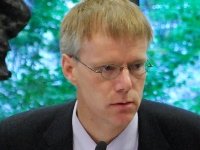
According to the World Bank, global economic growth is likely to contract by two percent this year. With export markets shrinking, many have questioned whether China’s domestic economy can supplement the revenue gap.
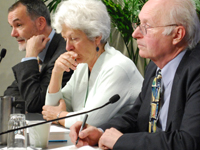
The 2006 launch of Al-Qaeda in the Islamic Maghreb (AQIM) created fear that a new international terrorist network would start operating on Europe’s doorstep. But the organization has failed to expand.
The Special Tribunal for Lebanon may set a precedent for international acts of terrorism to be incorporated into international humanitarian law as crimes against humanity.
Success in Afghanistan cannot be achieved without making good governance, rather than security, the topmost priority.