Carnegie Moscow Center


Afghan Governors, Mr Roohul Amin and Dr Habiba Sarabi, discussed what the upcoming elections mean for the Afghan people and Afghanistan as whole.
The United States faces a long list of foreign policy challenges that it cannot solve alone. The 4th annual Carnegie Junior Fellows Conference examined the role of emerging powers in climate change, nonproliferation, and the global economic system.
On issues ranging from energy security to Iranian proliferation and Afghanistan, U.S.-Russia cooperation remains vital.
Russia is among those countries that have been hardest hit by the global economic crisis. The country’s leadership can help avoid long-term economic and social problems by taking quick and targeted action to mitigate its impact on households.
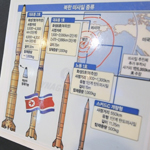
As North Korea defies international calls to abandon its nuclear ambitions, the international community increasingly looks to the United States and China to lead the effort to reign in the Kim regime.

Carnegie's Sven Behrendt spoke at a DAFG Expert Discussion about the risks and benefits inherent in creating a strategic European partnership with Arab sovereign wealth funds.
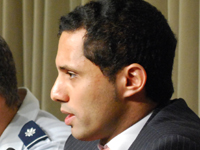
As counterterrorism policies move away from purely military solutions, counter-radicalization and disengagement programs in North African countries like Egypt, Algeria, and Libya offer an alternative approach.
Recent legal reforms in Uzbekistan suggest that the country is starting to address its troubled human rights record.

Regional elections in Russia are increasingly more contested, which is more a reflection of the growing number of unaddressed grievances in Russia’s localities than a sign of Russia becoming more democratic.

The ninth debate in Carnegie's "Reframing China Policy" debate series, focused on China's financial sector