Carnegie Moscow Center

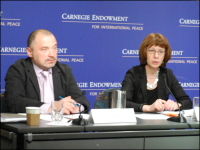
The political system set up under Vladimir Putin's presidency is likely to remain in place for the foreseeable future, despite the impact of the global economic crisis and the aftershocks of the 2008 Georgia conflict.
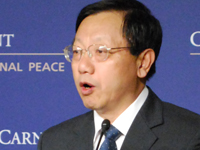
After thirty years of economic reform, China has achieved an unprecedented level development. But significant economic and political challenges lie ahead for the Chinese Communist Party.
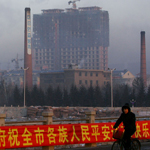
The financial crisis presents China with an opportunity to replace closed factories with a cleaner high-technology industrial sector.
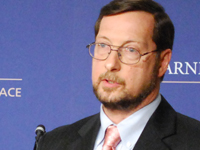
The global financial crisis and leadership changes in both Russia and the United States have led the bilateral relationship to an important juncture. Engagement should focus on mutual areas of economic and security interest.
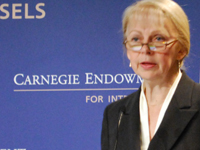
The Brazilian economy would receive a small boost from either a Doha Round trade agreement at the WTO or a major trade pact with other developing countries, including China.
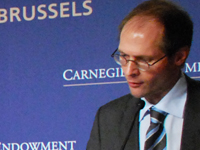
Developing countries should be allowed to employ trade measures to ensure food security, declared Olivier de Schutter, United Nations Special Rapporteur on the right to food.
Experts discuss the future of START negotiations.
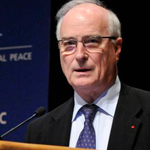
Experts discussed the obstacles to a genuine worldwide nuclear energy renaissance.
Experts discussed the key technical and policy developments relating to the CTBT over the past decade, including the maintenance of the U.S. arsenal in the absence of testing and capabilities to detect and deter nuclear test explosions.
Experts described the achievements and problems in bringing down the Khan network and the changes needed to deal with pervasive illicit nuclear trade.