Carnegie Moscow Center

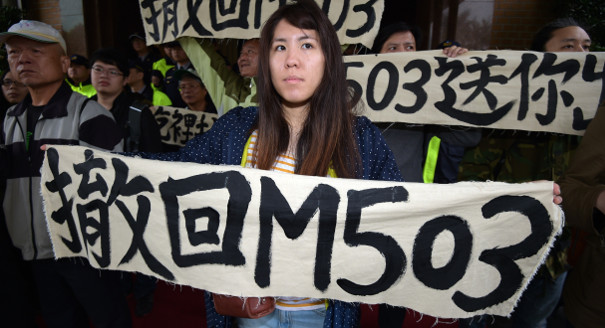
Recently, China unilaterally changed an aviation route, designated M503, without consulting Taiwan. This move has chilled relations between the two countries and threatened cooperative flight agreements on both sides.
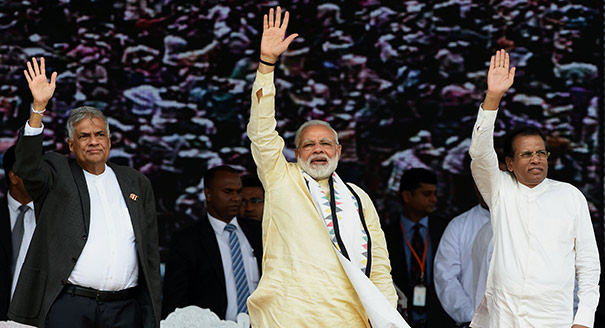
India’s Look East policy, initially aimed at reconnecting India with Asia’s economic globalization, has since evolved into a comprehensive regional strategy with political and military dimensions. As the United States rebalances to Asia, however, India faces new dilemmas.
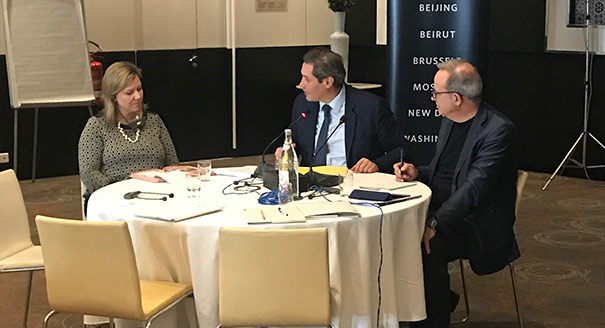
Tunisia is in the middle of a major decentralization effort.

As cyberspace has emerged as a new frontier for geopolitics, states have become entrepreneurial in their sponsorship, deployment, and exploitation of hackers as proxies to project power.
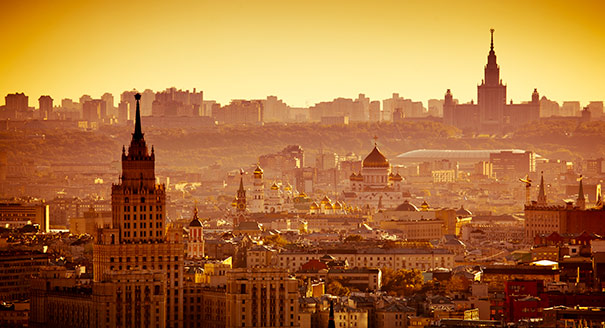
Ahead of the Russian presidential elections, there was no question about the outcome. Yet there is far less certainty about what is actually on the minds of the Russian people and how they feel about the status quo.
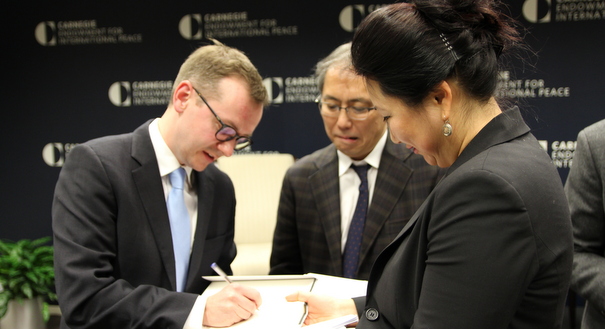
Why did the United States move from a position of nuclear superiority over the Soviet Union at the beginning of the 1960s to one of nuclear parity under conditions of mutual assured destruction in 1972?
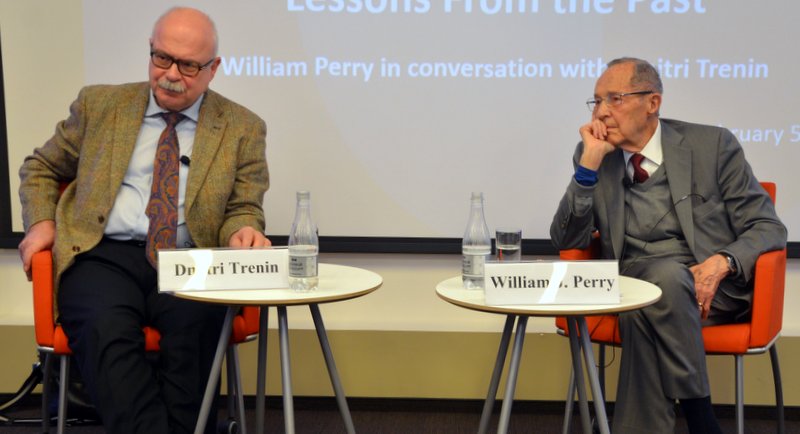
Carnegie Moscow Center hosted a former U.S. Secretary of Defense William Perry.

ITechLaw India is a global conference where technology leaders, lawyers, and policymakers converge for three days of intensive brainstorming and networking. The theme of this year’s conference is the Fourth Industrial Revolution and the challenges ahead for India.
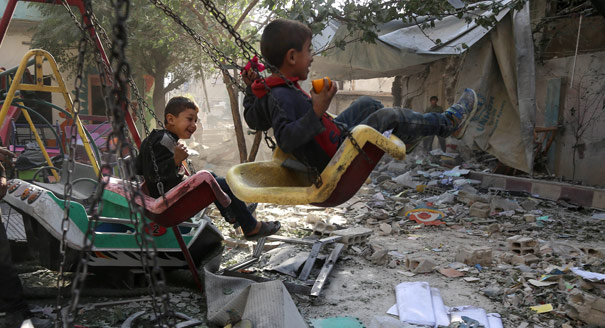
With Syria, Libya, and Iraq grappling with either the specter of war or its immediate aftermath, there is an urgent need to analyze the politics of post-conflict reconstruction.
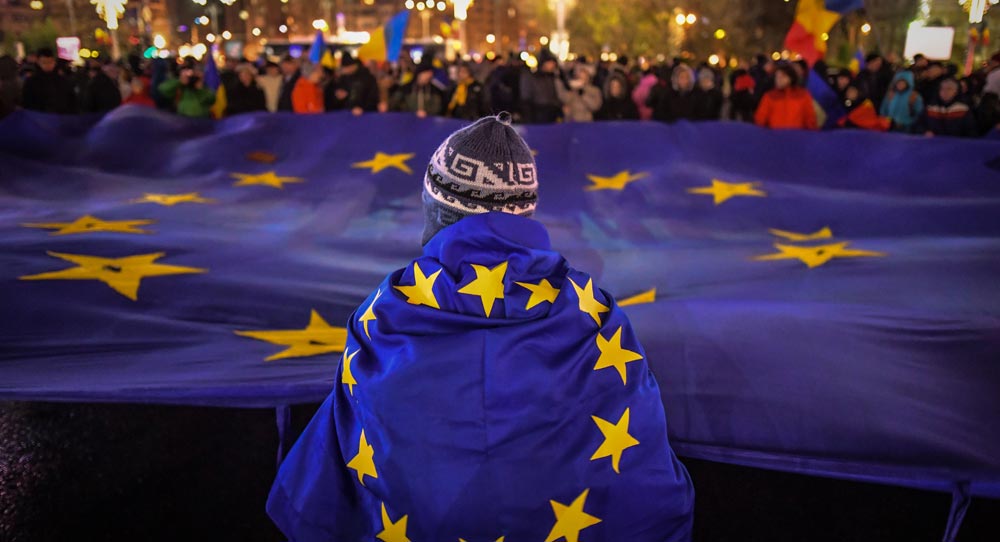
Despite a renewed sense of possibility since mid-2017, the EU still needs to be made more flexible and democratic.