Carnegie Moscow Center


The U.S. government and private sector are still not sufficiently agile to keep up with cyber threats.
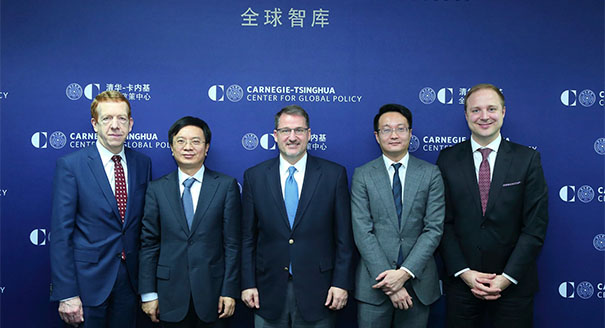
How will the shifting dynamics in Europe impact China’s future engagement with the region as well as inter-European relations and the international system more broadly?

The Kremlin is relying on a highly adaptable toolkit to chip away at the liberal international order and to capitalize on the West’s inability to come up with a unified strategy to respond.

Populist parties are on the upsurge. Are the EU’s political and institutional pillars crumbling, or can new solidarity be found?
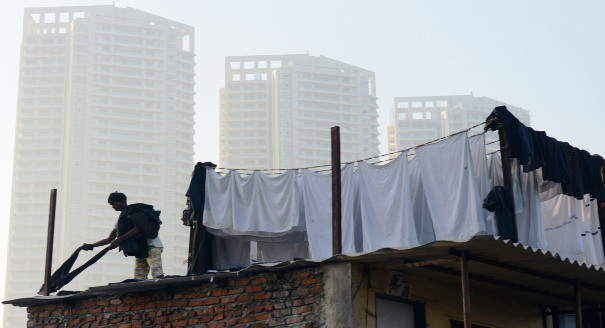
The idea of a universal basic income has gained renewed attention amid growing concerns about technological unemployment in advanced economies.

Nowhere are nuclear dangers growing more rapidly than in Northeast Asia. Join Carnegie for a discussion, hosted jointly with Nagasaki University, of the most urgent nuclear challenges facing international actors in this increasingly tense region.
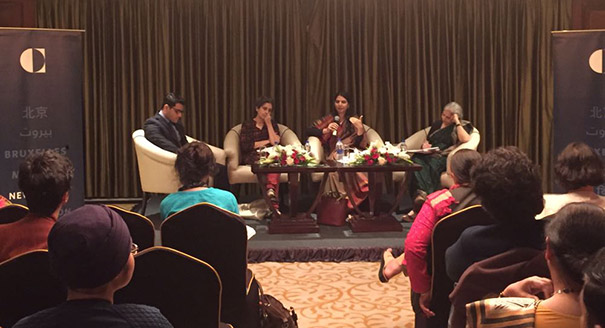
Public debate around a universal basic income—periodic and unconditional cash payments to all citizens—has grown significantly after the 2016-17 Economic Survey outlined such a scheme for India.
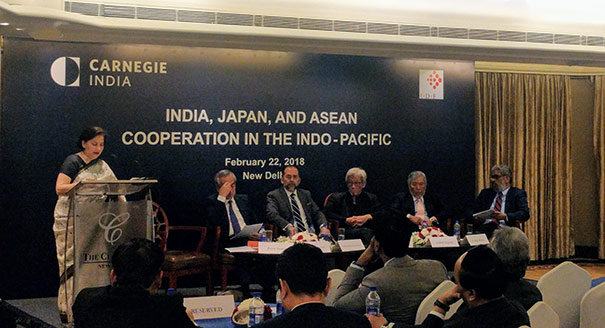
The Indo-Pacific has emerged as a critical region in global politics. The stakes for India and Japan are rapidly rising in this theater, and the Association of Southeast Asian Nations (ASEAN) sits at the heart of it.

Cyberspace has become the new battleground for geopolitics. State-hacker relationships could unleash significant harm undermining global security, stability, and human rights.
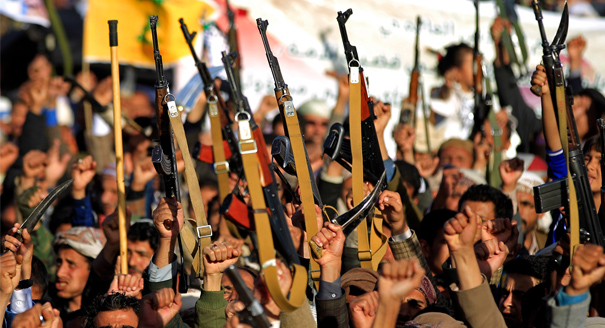
Yemen has entered a new political and military phase following the death of former President Ali Abdullah Saleh, and the infighting in Aden between U.A.E.-backed secessionists and forces under the command of President Abed Rabbo Mansour Hadi.