Carnegie Moscow Center

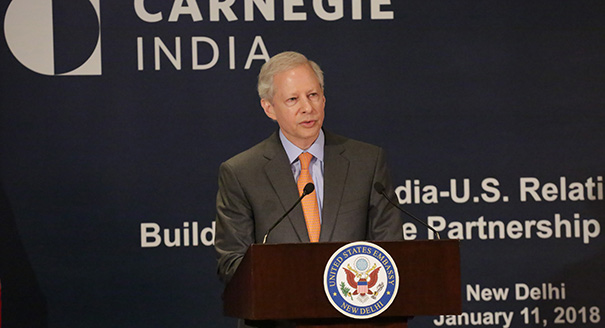
Ambassador Juster’s remarks focused on how he envisions building a more durable India-U.S. relationship over the coming years. They covered a range of bilateral issues, including defense cooperation, economic and trade ties, energy, and health care.
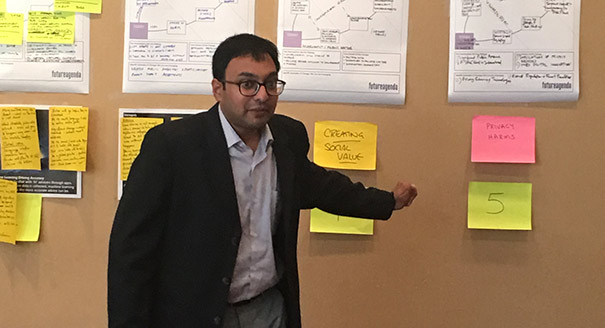
The centrality of data for both innovation and policymaking renders data governance a critical theme for technology and policy discourse.

What were the particular features that set Tunisia apart from its neighbors? Is the country a model that can be replicated in other Arab countries, or simply an anomaly?

Although governments in the Middle East and Central Asia spend a great deal on the public sector by international standards, they are failing to secure inclusive growth. How can the public sector be modernized in order to trim costs and improve services?

The four-decade-long U.S.-Iran cold war has increasingly moved into cyberspace. Tehran has become increasingly adept at conducting cyber espionage and disruptive attacks against opponents at home and abroad.
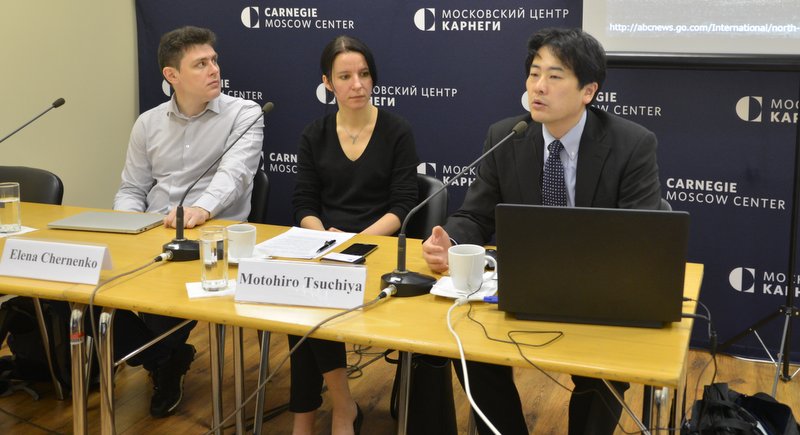
The necessity of introducing cyberspace regulation on the global level is widely discussed by governments, business representatives, and experts. Carnegie Moscow Center hosted a seminar to discuss these issues.
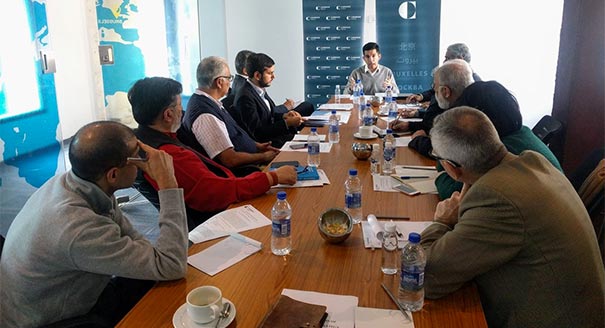
A roundtable discussion to trace the evolution of Indian strategic thought.
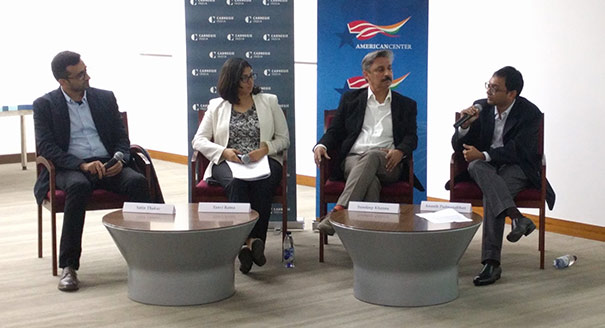
Building a more conducive regulatory environment for businesses has been a critical reform area for India, particularly in an innovation-led economy increasingly dependent on entrepreneurship.
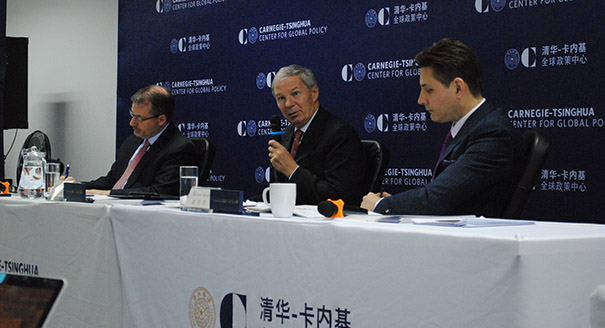
As China continues to make further inroads in expanding economically and asserting itself in global affairs, what role could it play in solving some of today’s major crises?

The year 2017 witnessed serious upheavals, from Saudi Arabia’s internal purge and the end of the Islamic State to the serial Iranian and Russian triumphs in Syria.