Carnegie Moscow Center

The Trump administration is expected to release its nuclear policy review at the end of this year, which could make nuclear deterrence a central pillar of U.S. national security.
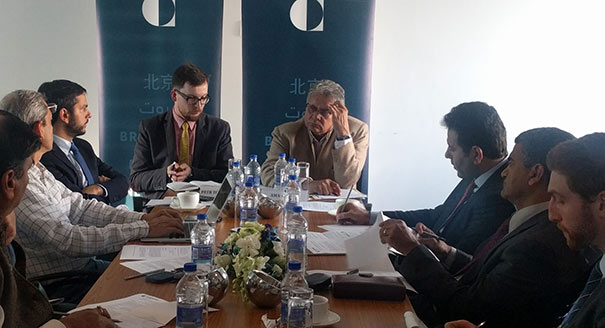
Russia’s growing defense cooperation with Pakistan and contacts with the Taliban are a matter of concern for India.
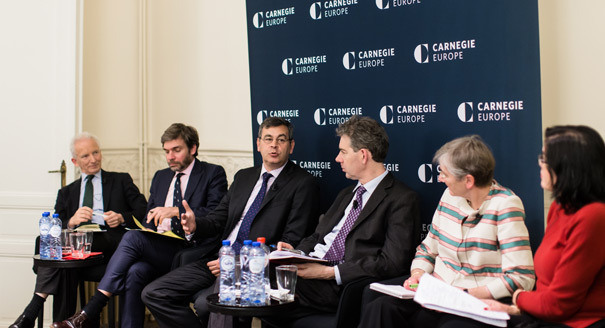
Carnegie Europe hosted an exclusive policy discussion in Brussels to mark the center’s tenth anniversary.
As governments continue to enact policies to address climate change, companies have begun to also shift toward more environmentally sustainable business models that reduce their global carbon footprint.
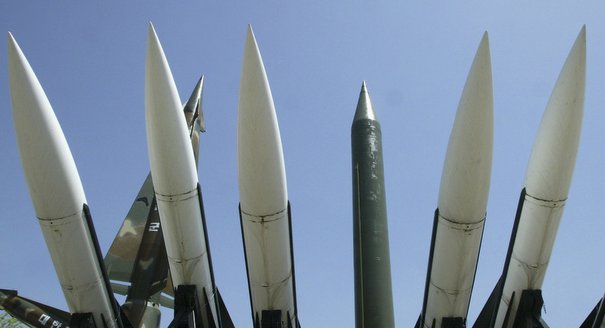
The risk of a nuclear war is rising because of growing non-nuclear threats to nuclear weapons and their command-and-control systems.
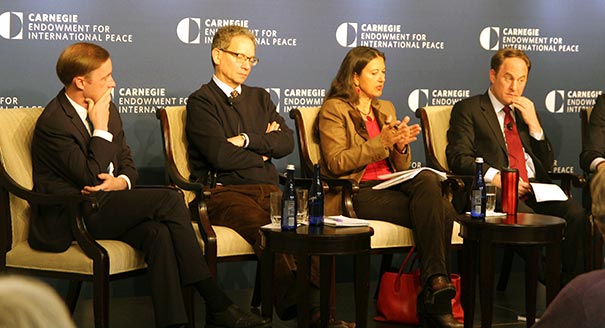
One year after U.S. President Donald Trump’s election, Europe is still struggling to make sense of his administration’s disruptive foreign policy. What impact has Trump had on the transatlantic relationship thus far, and what lies ahead?
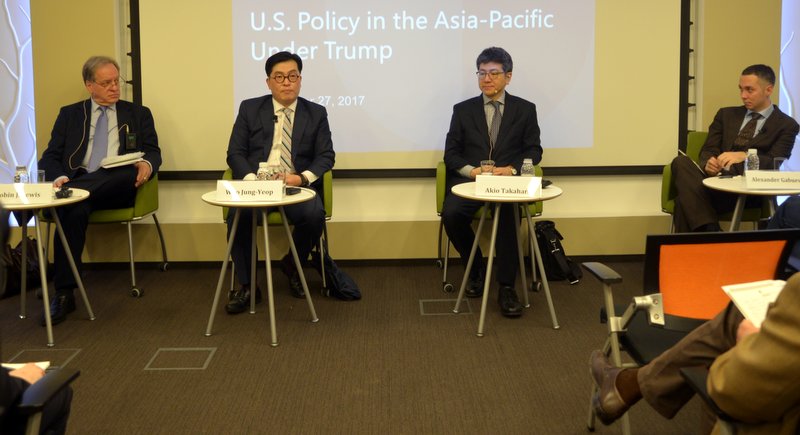
Carnegie Moscow Center hosted a seminar on U.S. policy in the Indo-Pacific region under the Donald Trump administration and the new challenges it might bring to the system of checks and balances in regional security.
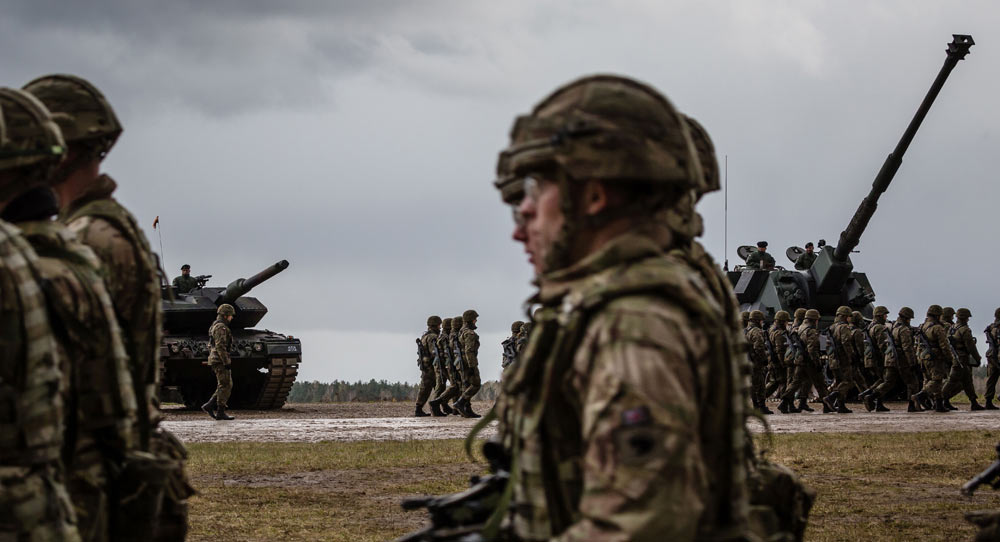
NATO’s forward presence is meant to discourage Russia from escalating and to give Moscow reasons to seek a nonmilitary solution. Will this strategy succeed?
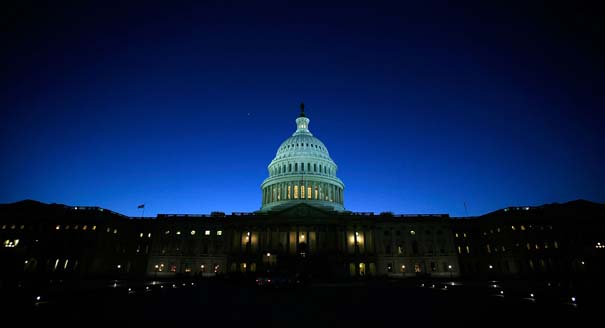
The Congressional Budget Office (CBO) has released a report estimating that the nuclear force plans that the Trump administration inherited from its predecessor would cost $1.2 trillion between 2017 and 2046, and outlining options to reduce or delays costs.
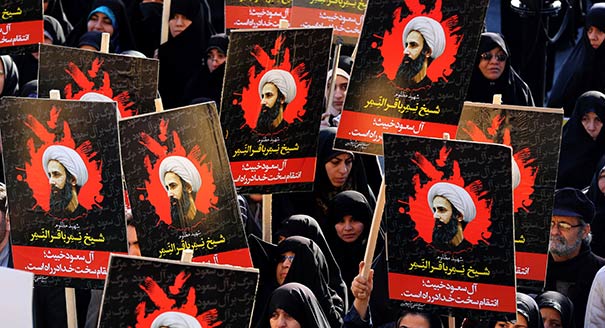
A discussion on what’s driving the spread of Sunni-Shi’a identity politics in today’s Middle East and how sectarianism is contributing to the region’s instability and conflicts.