Carnegie Moscow Center

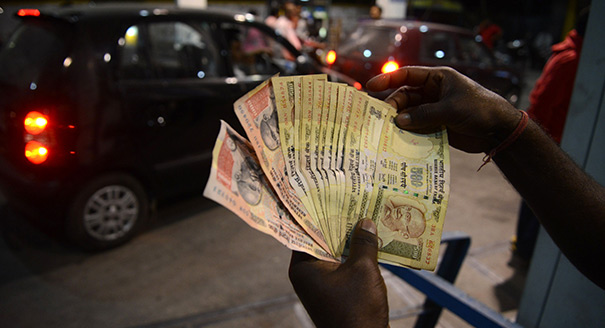
On November 8, 2016, Indian Prime Minister Narendra Modi shocked the nation—and the world—by announcing his decision to “demonetize” 86 percent of India’s cash in circulation in an effort to address the scourge of black money in the country.
Access to justice is a key governance concern in developed and developing countries alike.
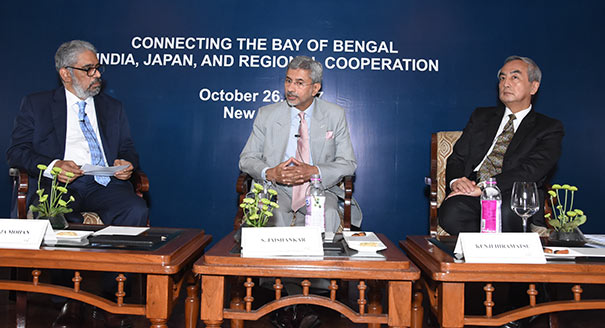
Carnegie India, in partnership with the India Development Foundation, hosted a seminar to review Indo-Japanese economic and security cooperation in the region, and identify new possibilities for developing regional connectivity corridors and strengthening maritime security in the Bay of Bengal.
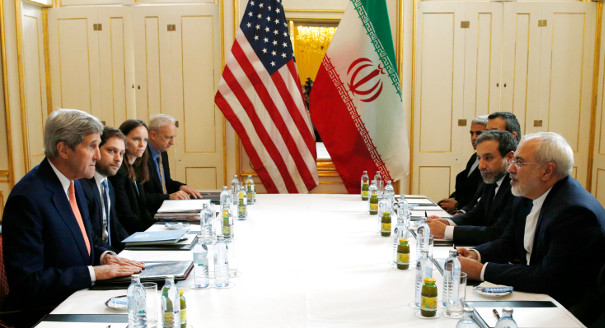
How the United States can confront challenges by vigorously enforcing the JCPOA despite the non-certification decision, while also taking additional steps to limit Iran’s nuclear and regional activities, and engage Iran economically and diplomatically.
For seventy years, India’s democracy has relied on ethnic quotas to redress historical disadvantages faced by marginalized communities.
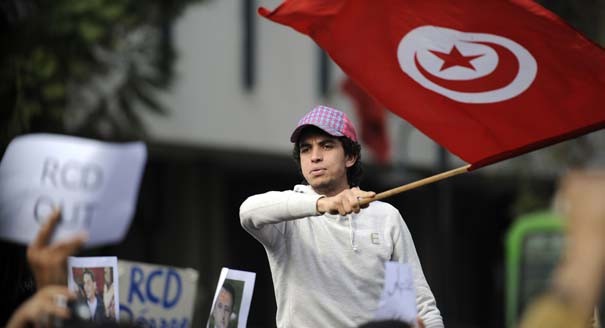
Corruption in Tunisia is perceived to be even more pervasive today than under former president Zine el Abidine ben Ali, despite numerous legal measures and civil society initiatives working to fight it. Can Tunisia’s government and civil society win this fight?
Increasingly frequent and severe cyberattacks targeting the private sector are fueling debates around the world over whether or not to allow corporations to engage in active cyber defense.
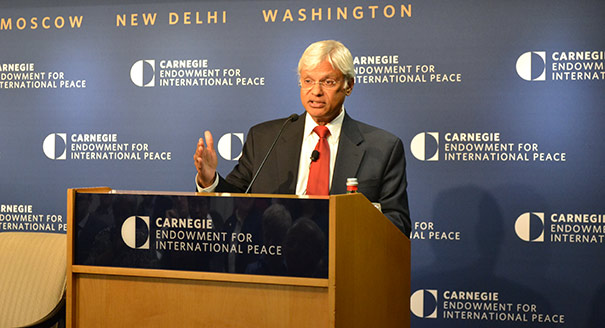
The unyielding antagonism between India and Pakistan remains one of the greatest tragedies of Asian politics.
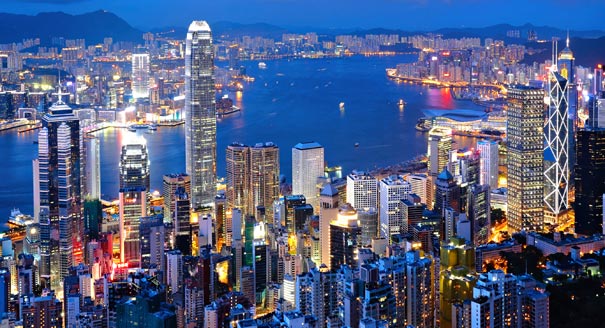
It has been just over twenty years since the handover of Hong Kong from the United Kingdom to the People’s Republic of China. In that time, the city has continued to be economically dynamic, but faces social, economic, and political challenges.
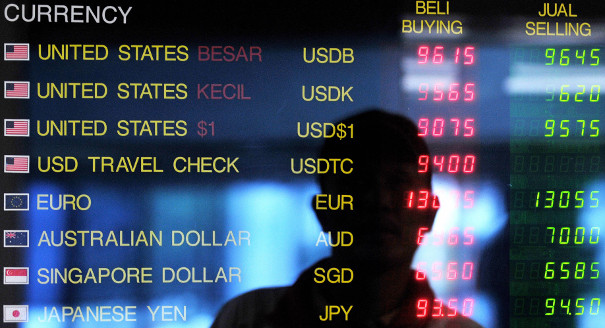
Exactly twenty years have passed since the Asian financial crisis, a landmark event that triggered massive economic disruption in the heart of Asia even as its shockwaves reached as far afield as Russia and Brazil.