Carnegie Moscow Center

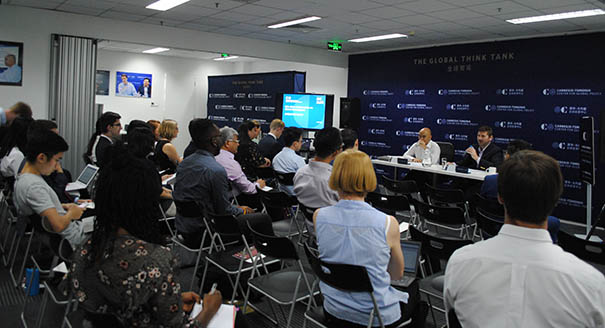
At a time when tensions between China and the United States are increasing, what is the future of cooperative agreements on issues in which both countries have a stake?
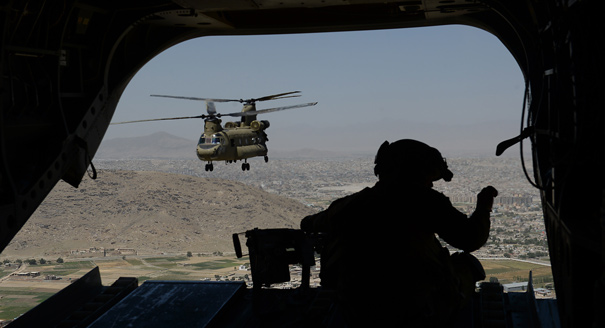
After years of incremental change, much is afoot in European defense. How can the EU best protect its population, territory, and interests during these turbulent times?
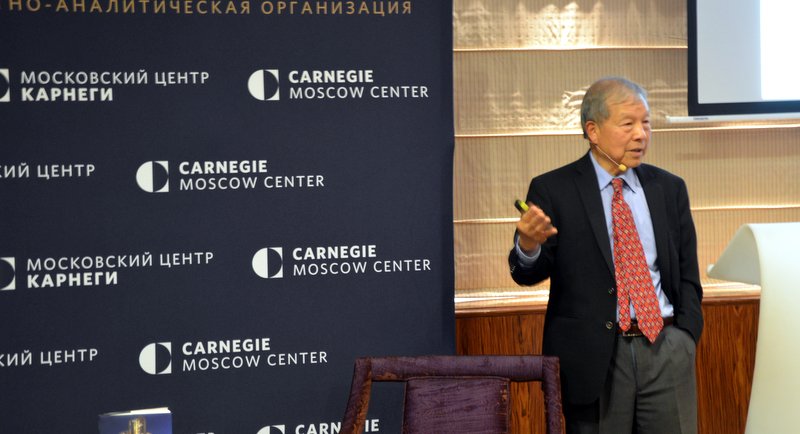
Carnegie’s Yukon Huang presented his new book which provides a holistic and contrarian view of China’s major economic, political, and foreign policy issues.
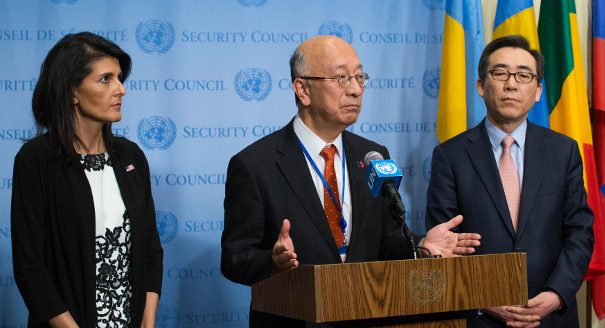
Two veteran diplomats deeply involved with the last set of intense negotiations with North Korea will discuss their experiences and consider options in light of today’s dynamics, and will be joined by both U.S. and Japanese experts.
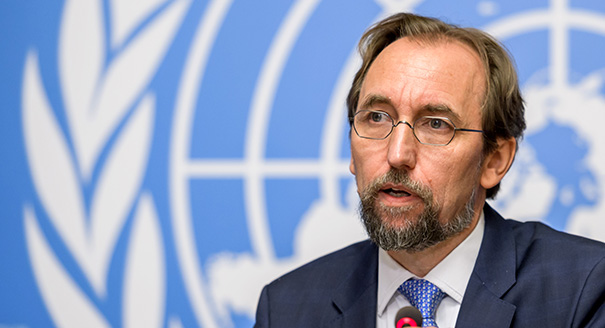
Carnegie Endowment for International Peace hosted the launch of the Morton and Sheppie Abramowitz Lecture featuring UN High Commissioner for Human Rights Zeid Ra’ad Al Hussein. Carnegie President William J. Burns joined the high commissioner for a conversation on the global state of human rights.
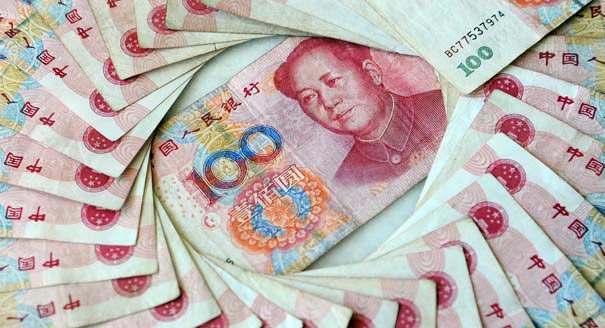
There are a number of common contradictions in mainstream understanding of China’s economy.
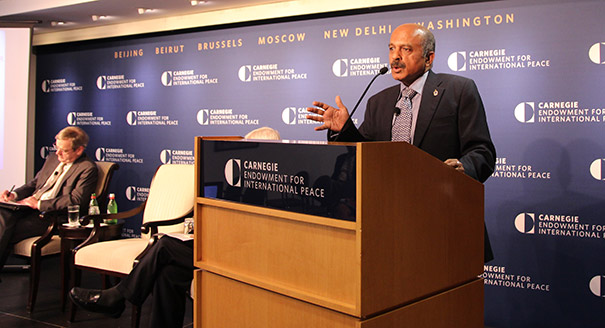
Seventy years after gaining independence, India is poised to consolidate its dominance in South Asia.
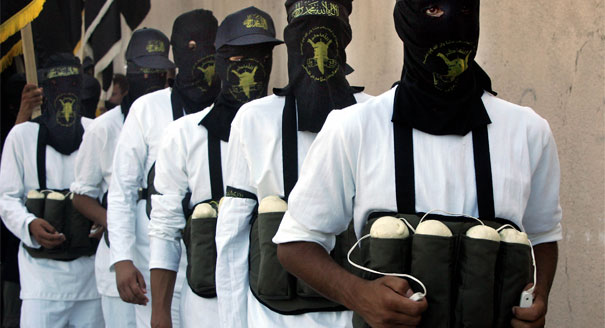
With the current turn of events in Syria and Iraq, the disintegration of the self-proclaimed Islamic State, at least in its current form, appears imminent.
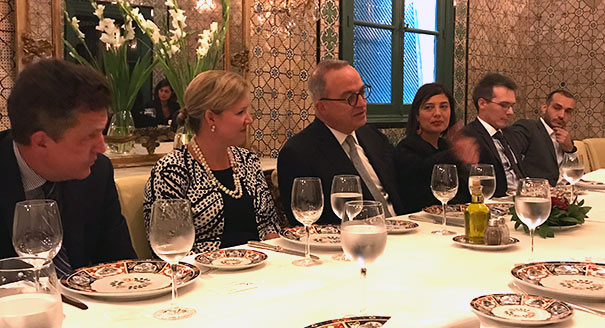
Carnegie’s Tunisia Monitor project convened a day-long workshop in Tunis to discuss the issue of combating corruption in Tunisia.
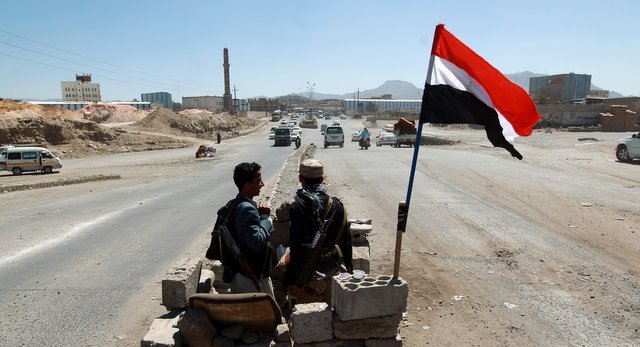
Now entering its third year, the civil war in Yemen has exacted a horrific toll on civilians and enabled the expansion of al-Qaeda. Where is Yemen’s war heading and what can local, regional and international actors do to end it?