Carnegie Moscow Center

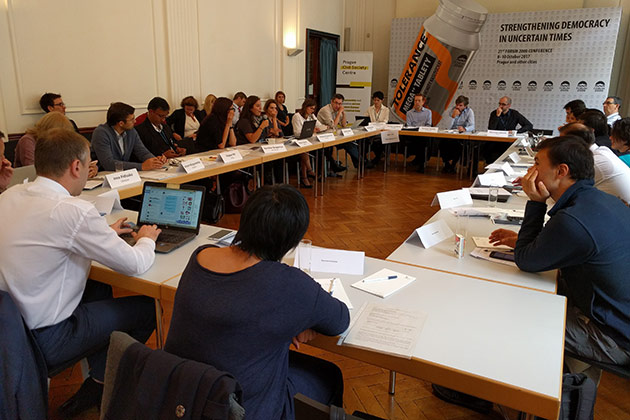
The Carnegie Endowment for International Peace hosted a two-day meeting of its Civic Research Network in Prague, Czech Republic.
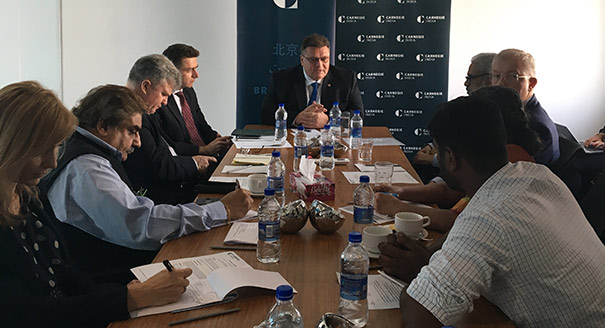
Given their proximity to Russia and their position as members of both the European Union and the North Atlantic Treaty Organization, the Baltic states offer important perspectives on European geopolitics.
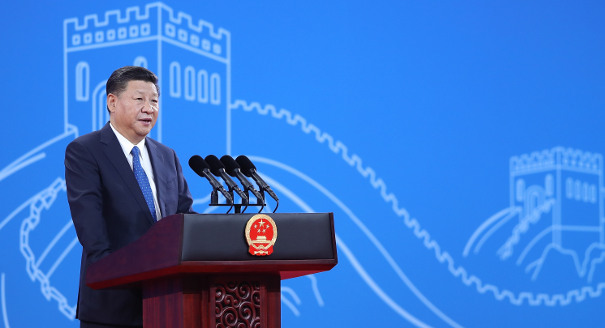
The upcoming Nineteenth National Congress of the Communist Party of China is a milestone event that begins October 18.
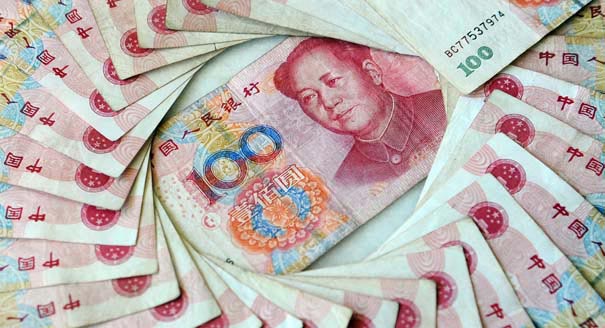
As China’s 19th Party Congress approached, Carnegie scholars discussed the economic fundamentals that challenge China and the new leadership that will emerge from it.
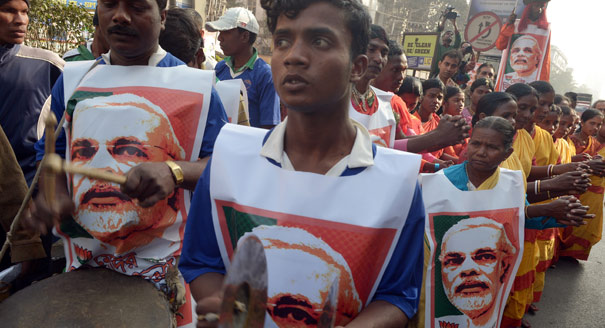
Three years into the government of Indian Prime Minister Narendra Modi, his Bharatiya Janata Party (BJP) seems to be going from strength to strength.
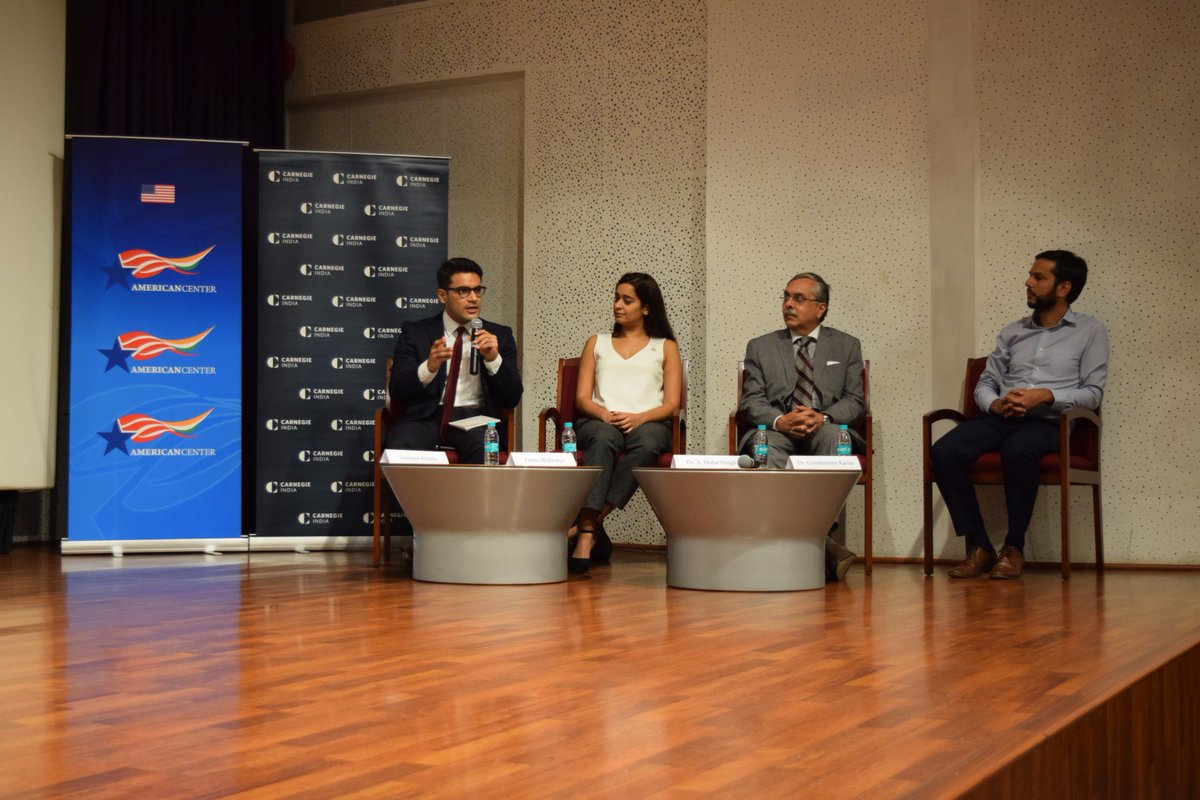
Brain gain—the phenomenon of Indians returning from work and study abroad, and the government initiatives designed to encourage their return—has contributed significantly to the growth of the Indian economy.
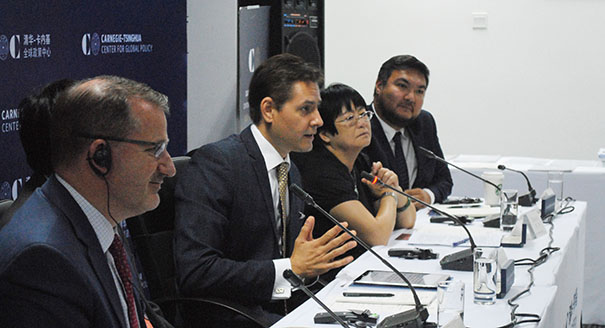
As the world celebrates the International Day of Peace, how can conflict be minimized in the Asia-Pacific, particularly as tensions continue to rise over North Korea’s development of nuclear weapons?
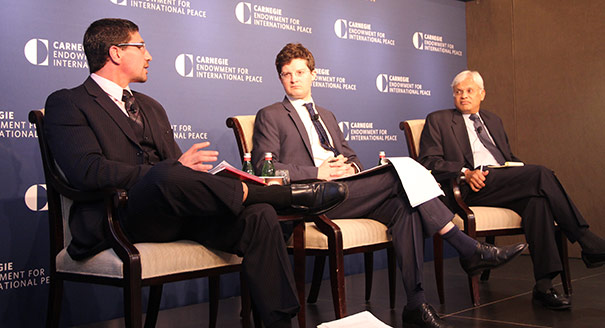
This summer’s standoff between the Chinese and Indian militaries at Doklam has revived the troubled but fascinating history of relations between the world’s two most populous nations.
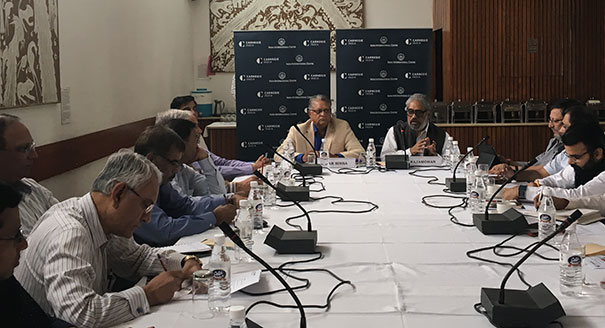
An examination of New Delhi’s policy and programmatic responses to President Trump’s Afghanistan strategy and its greater role for India.
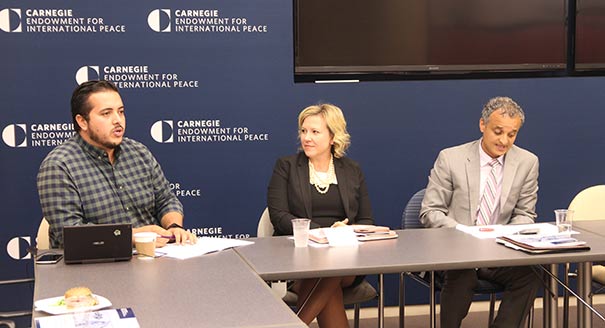
Lack of development and marginalization by the centralized government in Tunis have created intense resentment within the border regions.