Carnegie Moscow Center

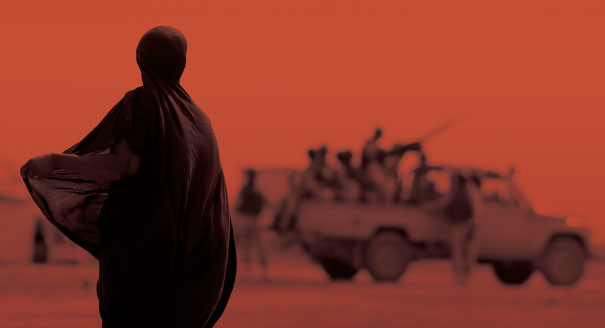
Conflicts and insecurity in the Maghreb and Sahel are increasingly becoming interdependent and altering the regional security terrain.
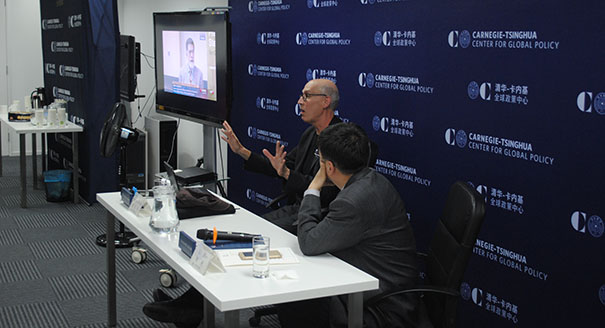
While the Trump administration’s nuclear and space policy remains uncertain, drastic readjustments may destabilize China-U.S. relations if China interprets it as a way to contain its rise.
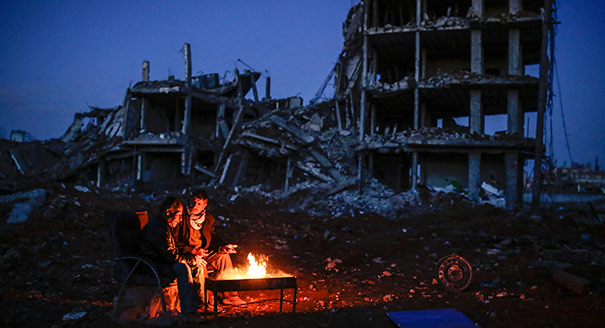
Carnegie’s Middle East Program gathers scholars from around the globe to examine the potential scenarios for the future of the conflict in Syria.
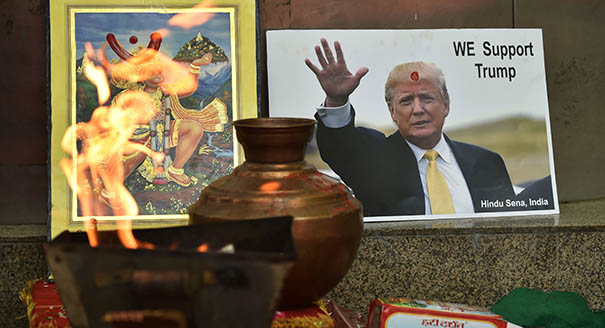
As Carnegie India completes its first year in New Delhi, they hosted a reflection on the extraordinary turbulence in the international system today and the policy challenges that it presents for India
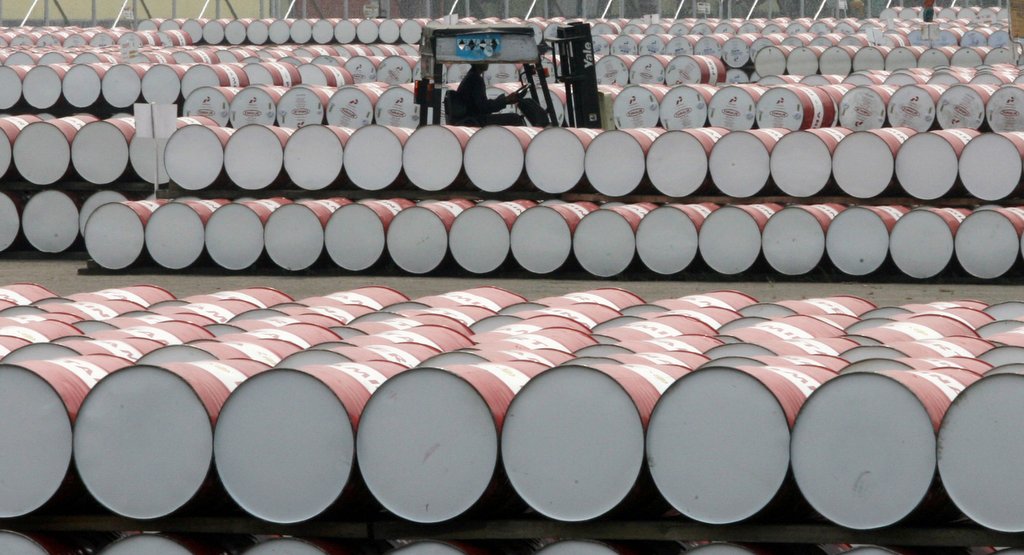
Carnegie Moscow Center hosted a discussion on the impact of resource dependency on the economic development of Russia and other major petrostates in a comparative context.
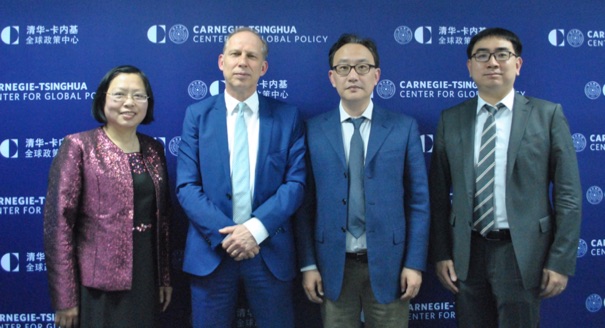
In light of the recent rise of populism and the refugee crisis, the future of European integration will depend on the results of imminent elections in France, Germany, and the Netherlands.
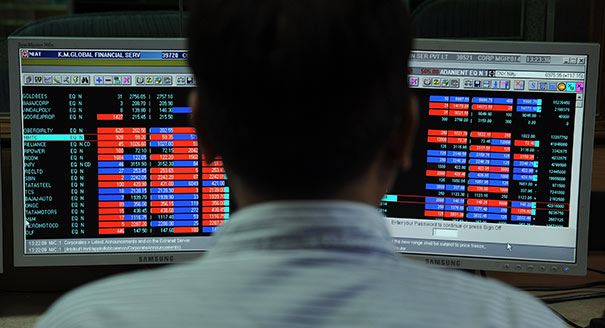
Technology is transforming the finance sector in previously unimaginable ways.
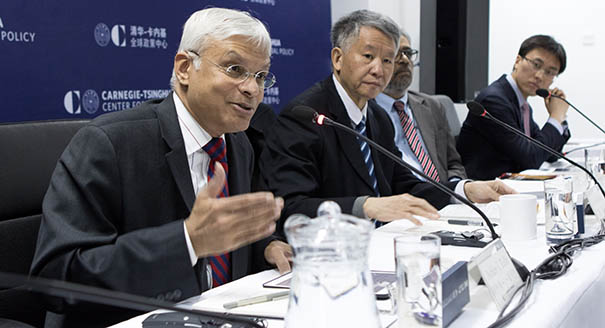
President Trump’s rhetoric on U.S. policy toward China and India present uncertainties for the future of the Indo-Pacific region.
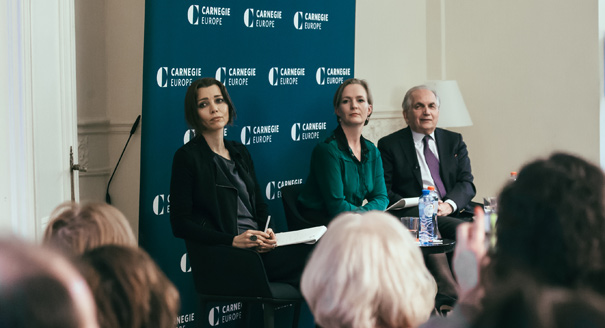
As EU leaders are tested by the rise of populism, how can citizens and civil society organizations respond to these adverse trends?
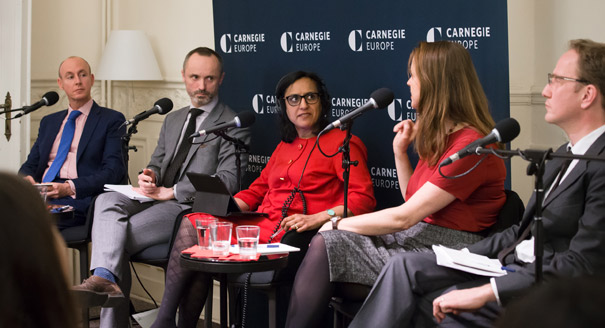
New and innovative ways of rebuilding European cooperation are needed to keep Europe’s post–World War II achievements of peace and prosperity intact.