Carnegie Moscow Center


The conference brought together over 800 experts and officials from more than 45 countries and international organizations.
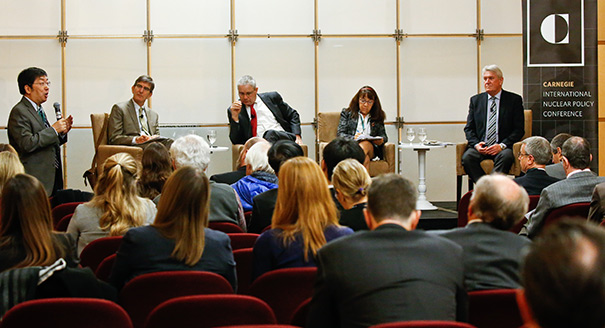
Hosted by Carnegie's Nuclear Policy Program
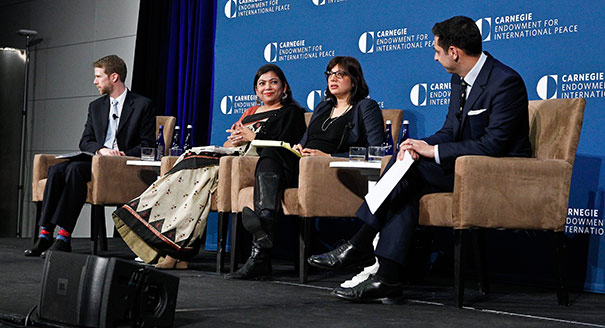
Cross-border terrorism and low-intensity conflict between India and Pakistan along the Line of Control in Kashmir continue to create the risk of a crisis. While warfare in South Asia that could escalate to nuclear use is obviously risky, is making peace between India and Pakistan also too risky for political leaders?
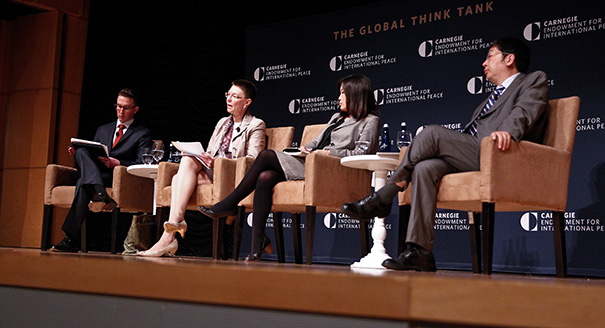
Despite a remarkable track record of success, articles I and II of the NPT do not explicitly demarcate the boundary between peaceful and military uses. Has this omission been a problem? Is it possible to demarcate that boundary more clearly? Might new technologies, such as additive manufacturing, further blur it?
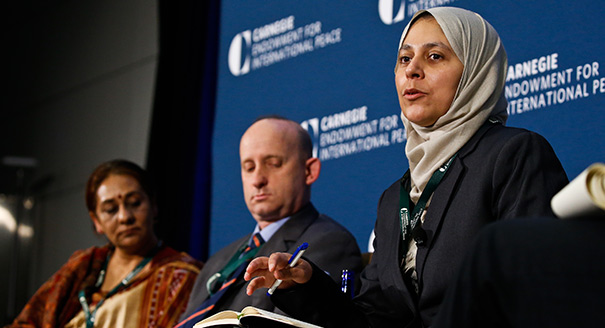
Does “mainstreaming” non-NPT states strengthen or weaken the global nuclear order? Should non-NPT states be invited to join the NSG and similar multilateral arrangements, and if so, on what basis? If not, what incentives exist for non-NPT states to strengthen their nuclear security, safety, and export control practices?
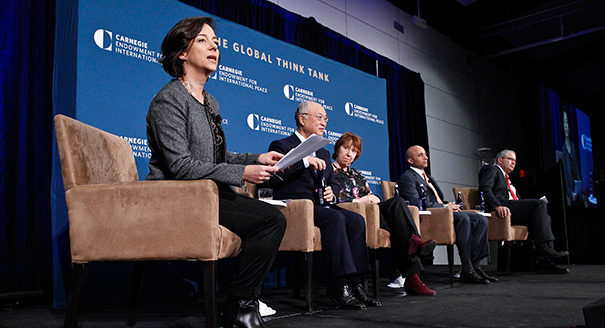
The Joint Comprehensive Plan of Action represented the most consequential development in nuclear diplomacy in decades. While its implementation has proceeded smoothly to date, its future is uncertain.
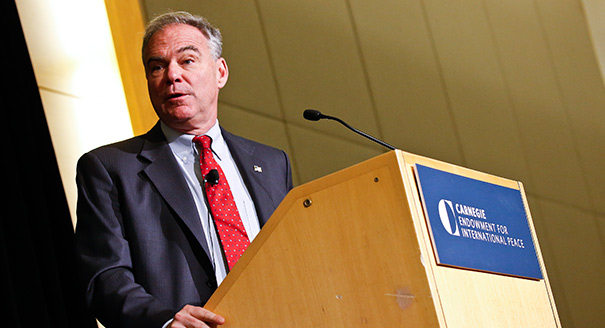
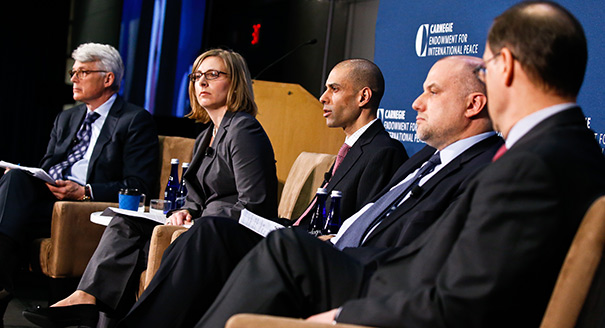
What are the most likely scenarios for the first use of nuclear weapons in the next five years on the NATO-Russia periphery, in South Asia, and in Northeast Asia?
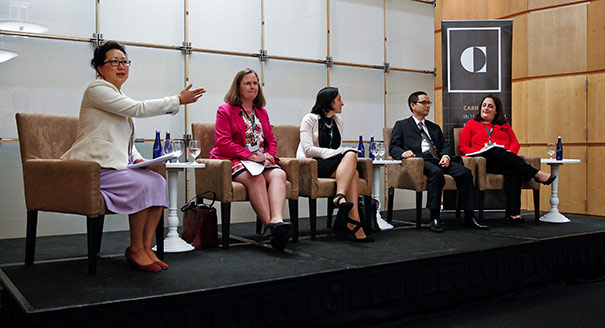
Countries planning to build their first nuclear power reactors face the challenge of developing domestic regulatory regimes for nuclear security and nonproliferation. What measures should nuclear newcomers take to mitigate nuclear security and proliferation risks?
Since the 1990s, the IAEA has increasingly focused on the detection of non-declared activities, including in states without an additional protocol in force. How far should the IAEA go in this regard?