Carnegie Moscow Center

Societies worldwide are grappling with political, technological, economic, and cultural transformations. However, the inherent pressures have been particularly combustible in the Arab world, given institutional deficiencies and the proliferation of conflict, sectarianism, and radicalization.
Under Secretary for the U.S. Treasury Nathan Sheets will discuss the Obama administration’s international economic policy and the importance of continued American leadership.
Pakistan’s 2013 general election marked the country’s first civilian transfer of power following the completion of an elected government’s full term. However, questions linger over the country’s democratic durability as next year’s election will occur against a challenging backdrop.
The U.S. National Science and Technology Council recommended in October 2016 that the United States should develop a government-wide strategy for international engagement related to artificial intelligence. The U.S.-Japan alliance offers an opportune foundation on which to develop that strategy.
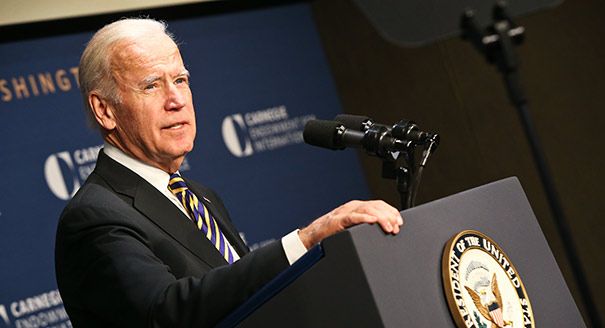
U.S. Vice President Biden discussed the Obama administration’s achievements in addressing the dangers posed by nuclear weapons under the Prague Agenda.
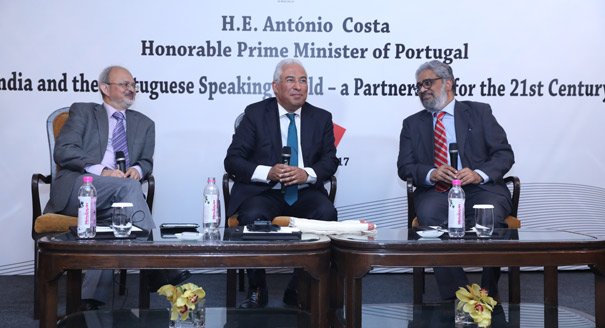
The relationship between India and Portugal has progressed tremendously politically and culturally since diplomatic ties were established in 1974-75, but its economic and strategic potential has not been fully realized.
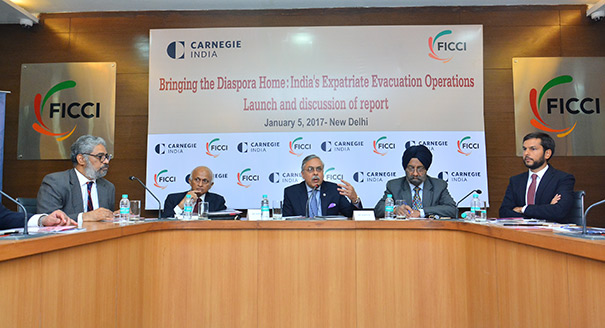
Despite the fact that India has conducted over thirty evacuation operations across Africa, Asia, and Europe, there is no formal doctrine or emergency plan for such operations.
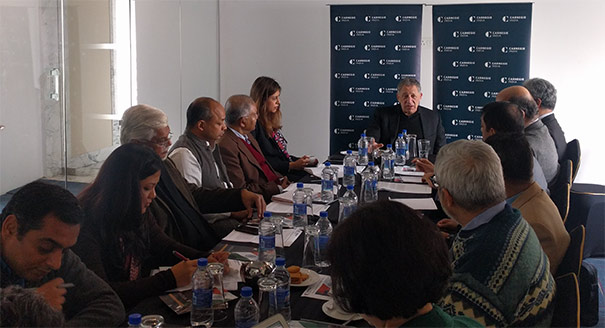
The election of Donald J. Trump as the new president of the United States has led to a intense discussion across the world about the conditions that enabled his rise, the future of American diplomacy, and potential shifts in geopolitics.
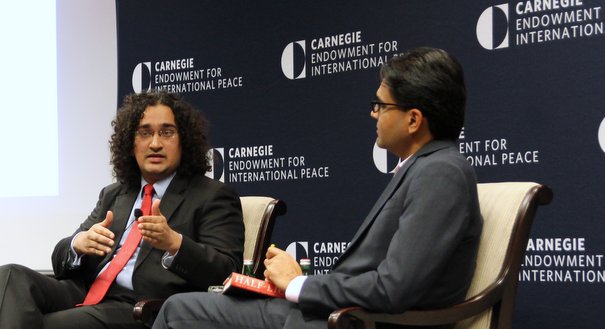
With exclusive access to Rao’s never-before-seen personal papers, Vinay Sitapati’s definitive biography provides new revelations on the Indian economy, nuclear program, foreign policy, and domestic politics.
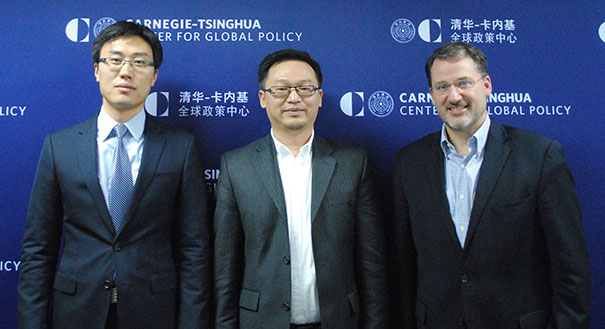
President-elect Trump’s recent phone call with Taiwan's Tsai Ing-wen marks a potential end to the “One China” policy, leaving many to question how regional stability in the Asia-Pacific will be impacted.