Carnegie Moscow Center

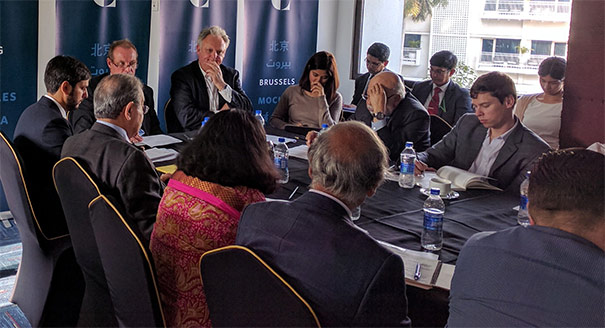
The Bay of Bengal’s littoral states must find a way to build appropriate institutions that provide a framework for engaging with extra-regional powers and building havens of cooperation.

An exploration of how international cyberspace norms evolve and work, and what more they could contribute to making cyberspace more hospitable.
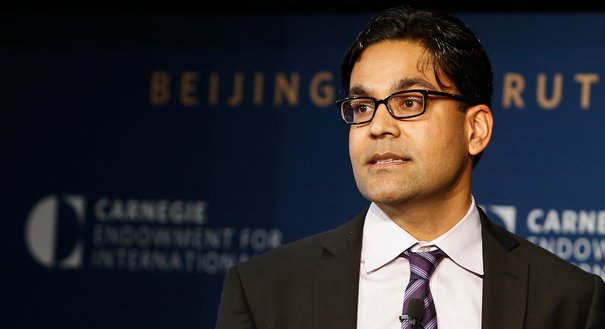
In democracies stretching from Brazil to Nigeria, criminals routinely thrive at the ballot box. In India, the world’s largest democracy, as many as a third of elected politicians are under criminal indictment.
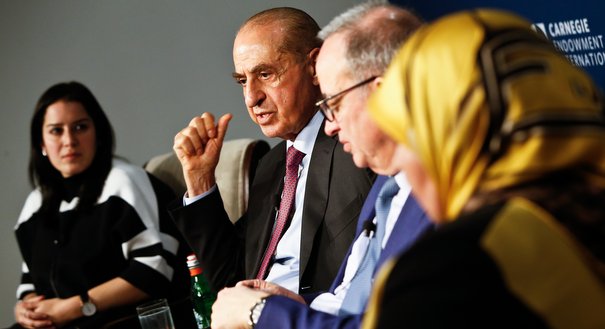
The Carnegie Middle East Program’s wide-ranging new report, Arab Fractures: Citizens, States, and Social Contracts, argues that new political and socioeconomic models are needed to address the crisis of governance and lack of pluralism at the heart of regional disorder.
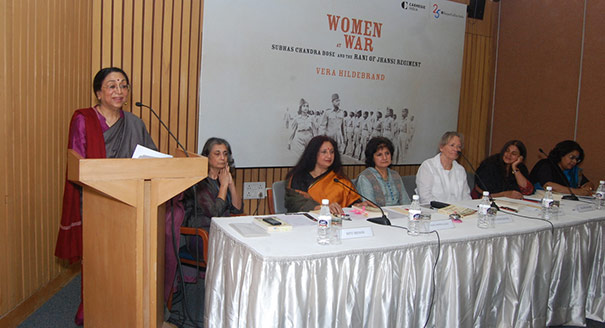
During World War II, Subhas Chandra Bose raised perhaps the first female infantry fighting unit in military history, the Rani of Jhansi Regiment (RJR).
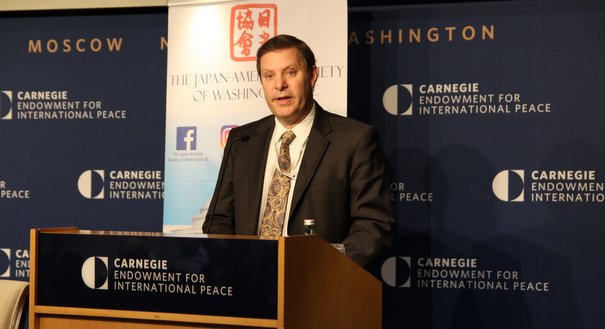
Special guests Yoichi Funabashi and Congressman Joaquin Castro joined top experts from academia, media, and the nonprofit sector to consider a broad range of political, economic, security, and social issues likely to impact Japan in 2017 and implications for the regional relationships.
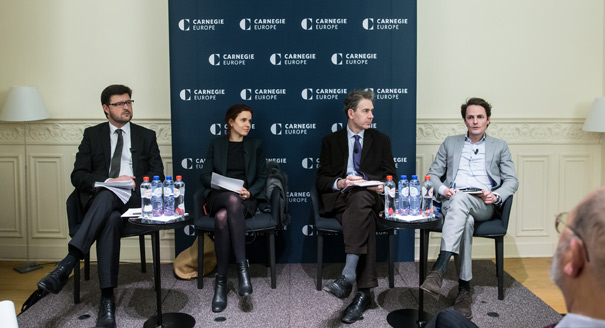
The map of Eastern Europe contains a number of de facto separatist states created by conflict. How can the EU enhance its engagement with these territories?
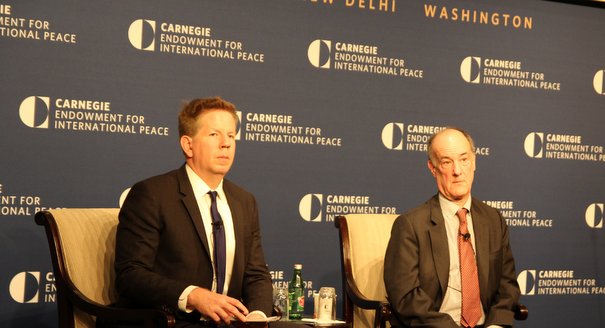
Jonathan Winer, who has served as the U.S. State Department’s special envoy for Libya and Senior Advisor for Mojahedin-e Khalq Resettlement, spoke with Carnegie’s Frederic Wehrey.
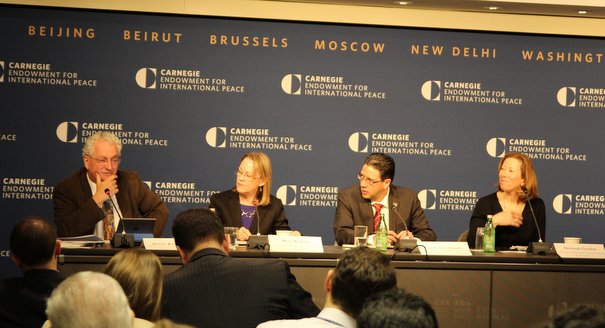
Mexico’s National Hydrocarbons Commission has faced myriad challenges and opportunities since its first open licensing rounds in 2015. What can an independent regulatory agency achieve in a country that just opened its petroleum industry to private investments?
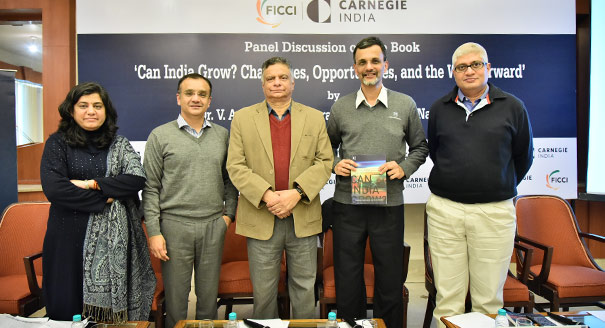
Despite India’s impressive economic growth rates in the mid-2000s, the long-term magnitude and sustainability of this progress remains uncertain.