Carnegie Moscow Center

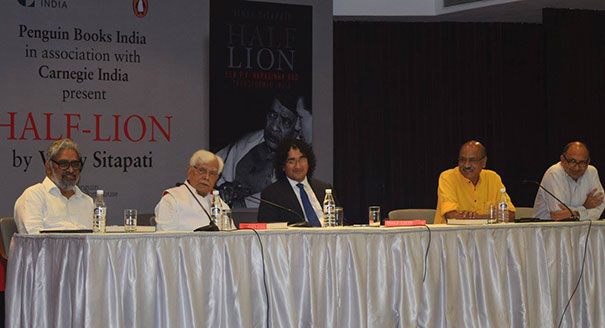
Carnegie India, in collaboration with Penguin Random House, hosted the launch of Half Lion, a biography of former prime minister of India P.V. Narasimha Rao.
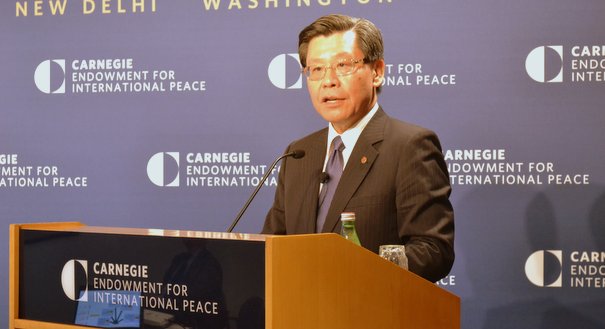
The U.S. and Taiwan business communities have, despite recent downturn in the global marketplace, maintained one of the strongest and most enduring relationships.
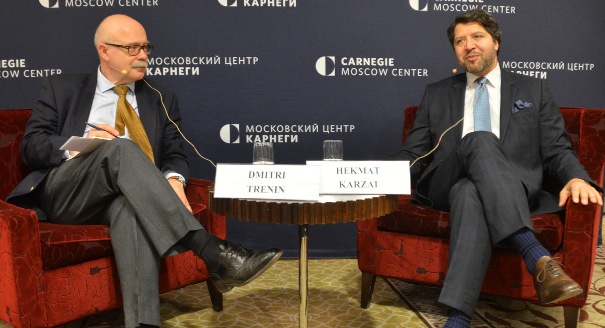
The Carnegie Moscow Center hosted Deputy Foreign Minister of Afghanistan Hekmat Karzai to discuss the country’s political, economic, and military situation as well as future development prospects and security challenges in the region.
For the first time, it is possible to estimate the value and profile of GHG emissions from oils throughout their supply chain using an Oil-Climate Index. This allows for the replacement of blunt tax designs with a smart tax that captures oil’s total emissions with minimal economic cost and maximum efficiency.
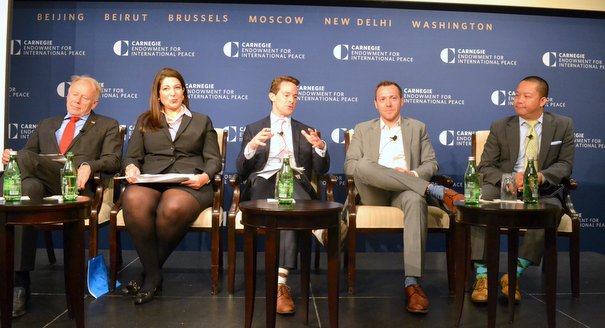
Promethean changes are poised to reshape the transport sector, with significant implications for the greenhouse gas emissions of twenty-first century mobility. Will autonomous vehicles prove to be a climate policy tool, or a climate policy challenge?
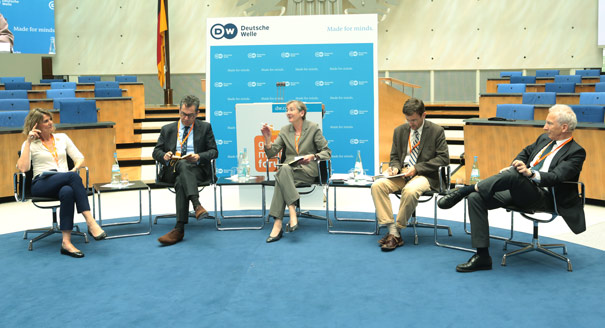
Migration has tested the EU’s moral ground to the limits. What is at stake goes to the very heart of what it means to be European: a community of shared values, moral universalism, and liberal and secular consensus.
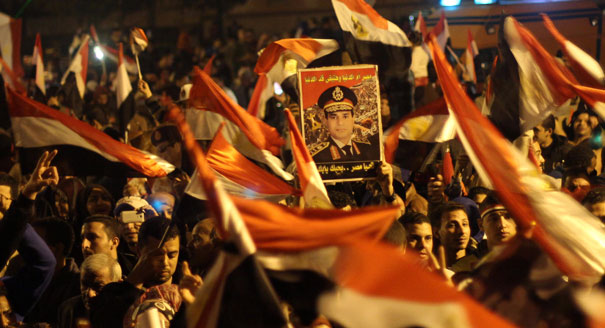
Five years after the 2011 uprisings, countries in the region are caught between the competing impulses of fragmentation and two equally unstainable authoritarian visions—that of the self-proclaimed Islamic State, or classic autocratic regimes.
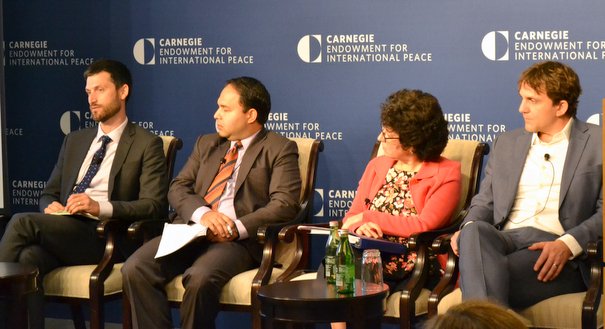
A half-day event on the connection between air quality and climate change and how it might be expected to shape the global energy innovation agenda in the years to come.
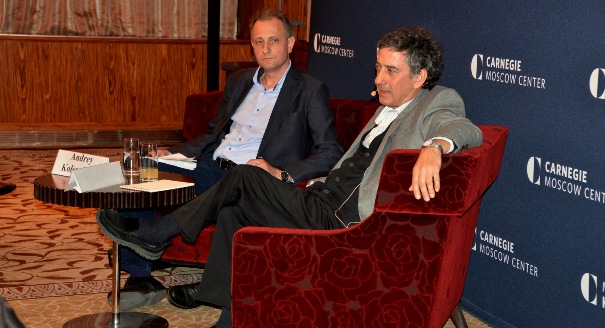
The Carnegie Moscow Center hosted Michael Tomasky, one of the top U.S. experts on the rise of Donald Trump and a long-time reporter on Hillary Clinton’s approach to electoral politics, to discuss the presidential elections in the United States.
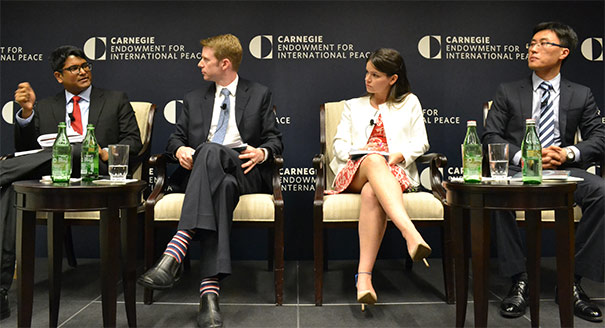
Tensions in the nuclear order are on the rise. What role can ‘middle ground,’ or emerging, nuclear states play in shaping the global debate on nuclear issues?