Carnegie Moscow Center

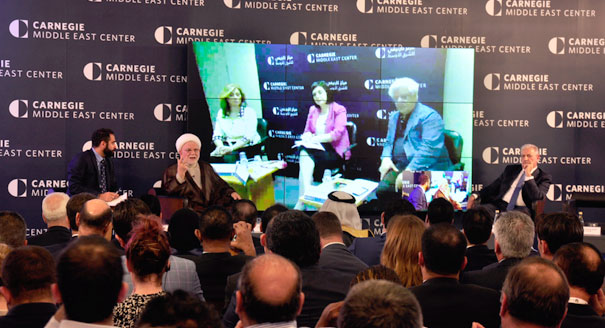
Two years after the self-proclaimed Islamic State gained control of Mosul, the prospects for liberation and the city’s future remain uncertain.
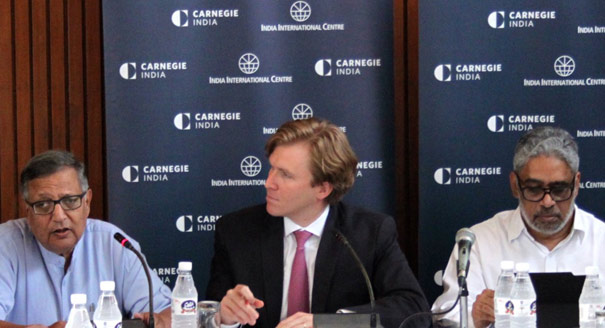
Given China’s growing force projection capabilities, the United States and India will have to work together to develop a strategy of balancing, without containing, China.
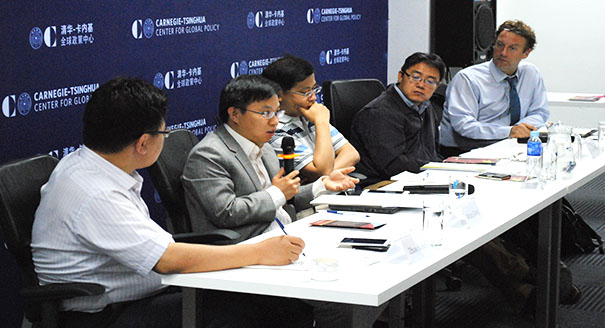
China and the United States are seeking common ground in order to build a rules-based cyber regime that would aim to make state conduct in this emerging domain more predictable.
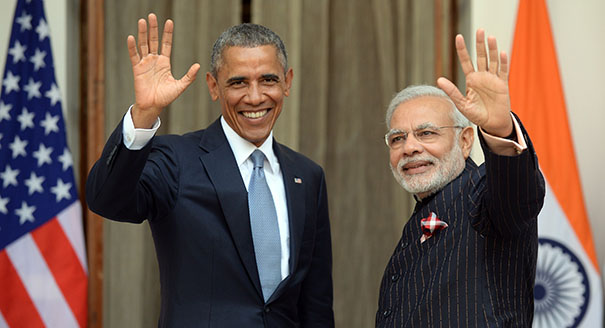
Scholars from Carnegie India and Carnegie’s South Asia Program participated in an online Q&A to discuss U.S.-India relations.
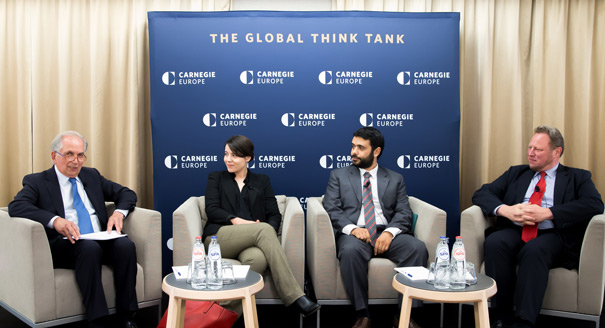
How can Tunisia and its international partners, particularly the EU, forge a new and more constructive dynamic to reverse the country’s recent troubling trajectory?
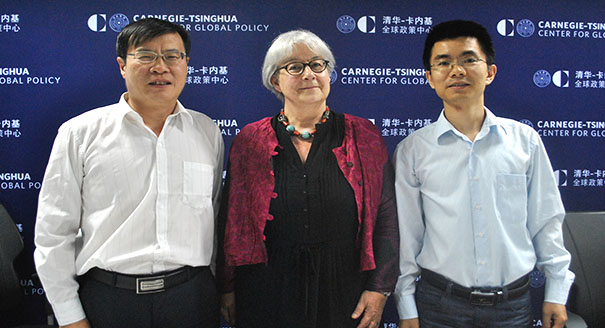
China's growing economic footprint in large market economies has a host of economic as well as political implications.
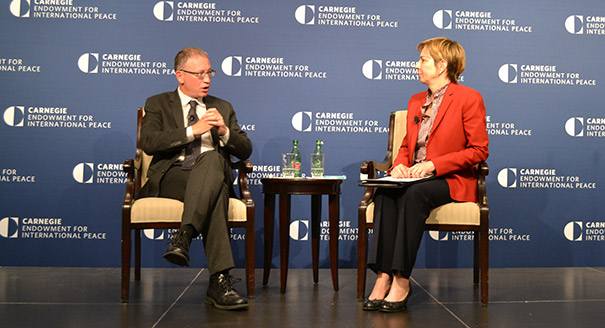
Less than twenty-four months after the hope-filled Arab uprising, the popular movement had morphed into a dystopia of resurgent dictators, failed states, and civil wars.
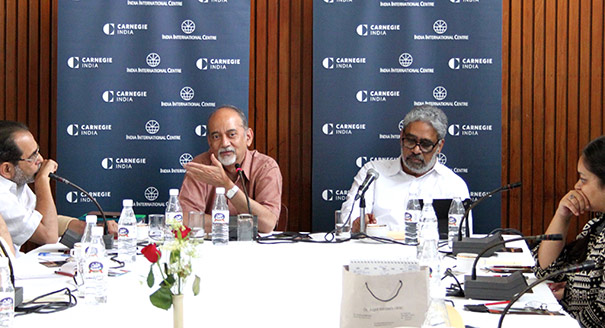
Prime Minister Narendra Modi’s upcoming visit to Iran, the first bilateral visit to Tehran by an Indian prime minister in 15 years, comes at a critical juncture in the rapid evolution of India’s engagement with the region.

A discussion of the global geopolitical landscape, and the dramatic impact of technology and innovation as in shaping our world today and into the future.
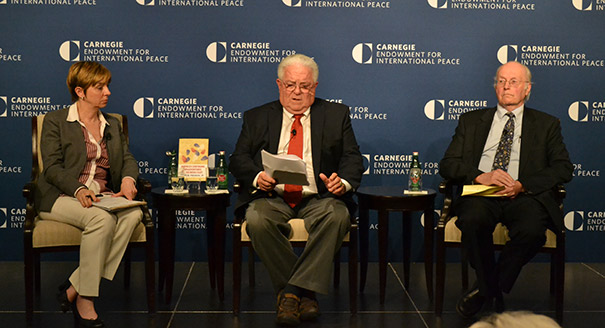
An examination of the complex consequences of U.S. policy in light of the Arab Spring, the increasing roles played in the region by China and other emerging powers, and the simmering Israeli-Palestinian conflict.