Carnegie Moscow Center

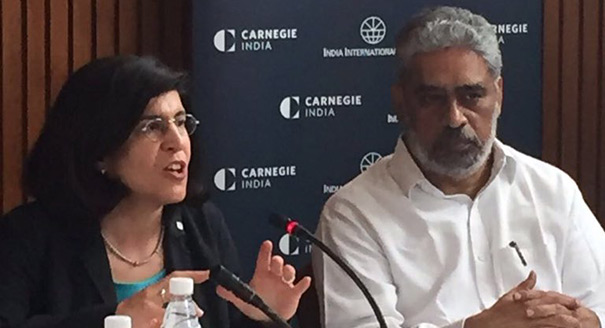
While innovation in weapon technology is as old as warfare itself, the rise of new weapon technologies like cyberwarfare and autonomous weapons has raised fundamental questions about the impact of International Humanitarian Law on future battlefields.
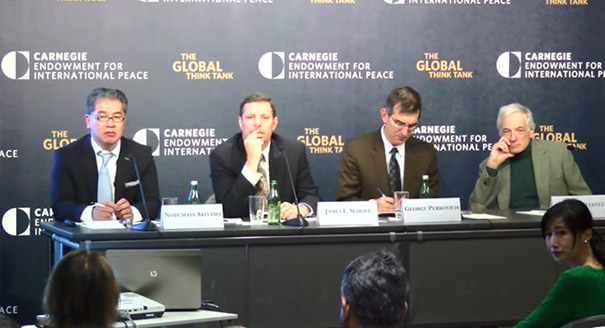
Verification and maintaining incentives for compliance will be important factors in the continued implementation of the Iran deal, and Japan’s membership on the UN Security Council and business relationships with Iran are potential assets for addressing these issues.
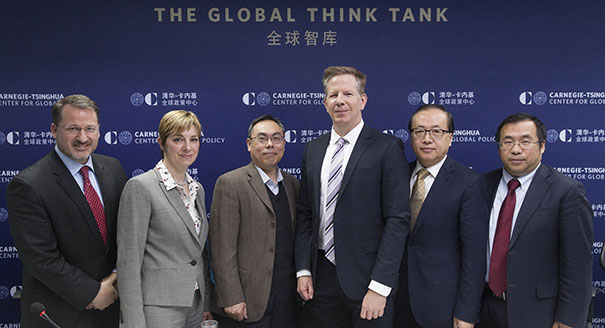
Instability in the Middle East remains widespread, but China continues to deepen its economic and diplomatic ties with the region.
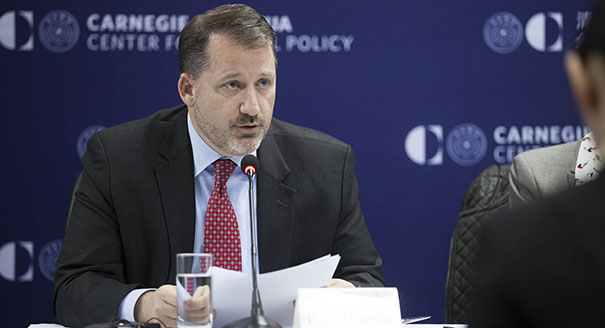
The Carnegie Global Dialogue series included four panel discussions that focused on China’s relationships with Russia, the United States, the European Union, and the Middle East respectively.
Indonesia’s President Joko Widodo appears to be using his improving political strength and popularity to introduce much needed economic reforms.
The various conflicts raging in the Middle East, and particularly in Syria, have created a refugee crisis of unprecedented scale.
Representatives from the United States and Germany met in mid-March to discuss international cybersecurity, internet governance, and human rights online, among other cyber issues, during the U.S.-Germany Cyber Bilateral Meeting.
The Nuclear Security Summit has made little progress on preventing the production of fissile material that has no plausible use. One way forward would be to establish a norm that such production should be consistent with reasonable civilian needs.
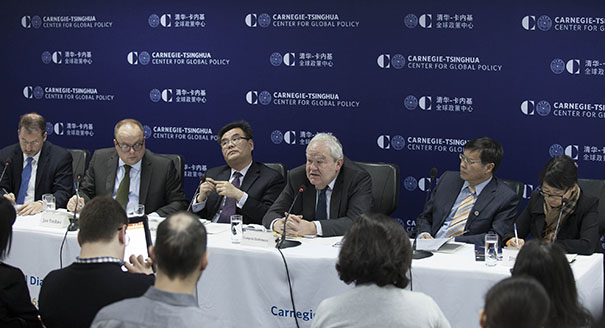
Since China and the EU celebrated forty years of diplomatic ties last year, many of their latest overtures have focused on upgrading investment and trade cooperation.
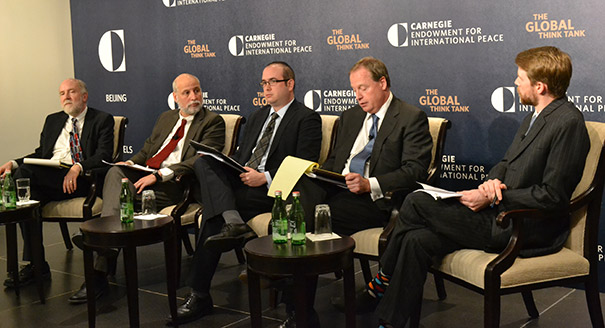
Ahead of the upcoming Nuclear Security Summit in Washington, a new report presents a stark choice: Will the world recommit to continuous improvement in strengthening nuclear security, or will efforts decline and the danger of nuclear terrorism grow?