Carnegie Moscow Center

In November, the EU will convene a landmark summit of the Eastern Partnership, bringing together European heads of state with leaders of the six former Soviet Eastern Partnership countries.

Although there is a potential vacuum left in the Middle East by the U.S. pivot to Asia, China is reluctant to fill the void.
The Arab Spring’s chain of revolutions across North Africa and the Middle East transformed the socio-political landscape of the region, but the future of the region remains uncertain.
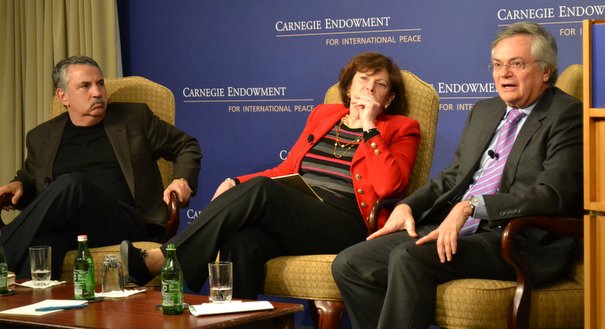
Moisés Naím hosted a lively conversation about his new book with columnist Thomas Friedman and Carnegie's Jessica Mathews.
As both China and the United States move into new administrations, each leader is given an opportunity to move the coal agenda forward.
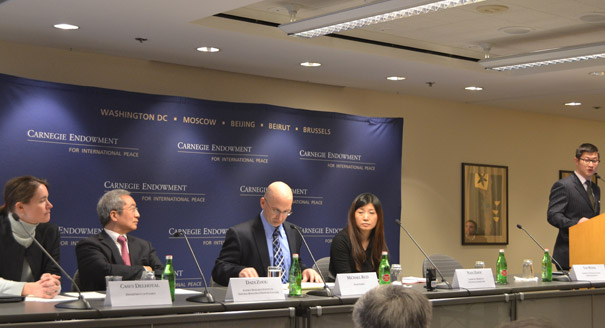
As the United States reduces its coal consumption and China increases its own, opportunities for technologically and policy cooperation on this great transition abound.
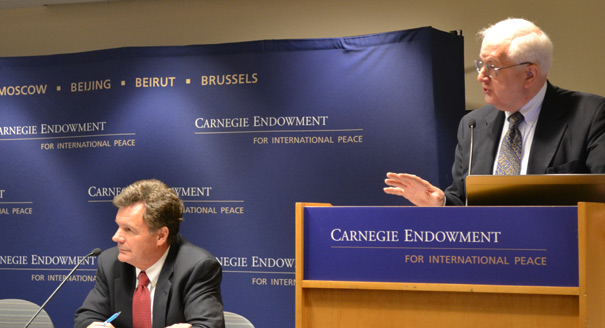
Former U.S. Ambassador J. Stapleton Roy provided an enlightened vision of the Chinese-American relationship and advocates the advancement of a strategically sustainable and mutually beneficial partnership for the 21st century.
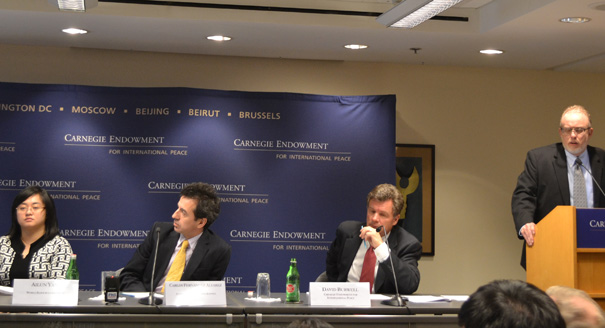
With low natural gas prices marginalizing the once prominent place of coal in American energy sources, domestically produced coal in the United States may find future markets abroad.
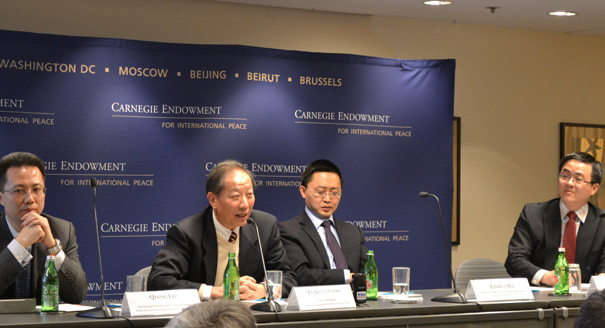
Despite its negative impacts on air, water, and land resources, coal currently is and will continue to be a key component in the Chinese energy composition.
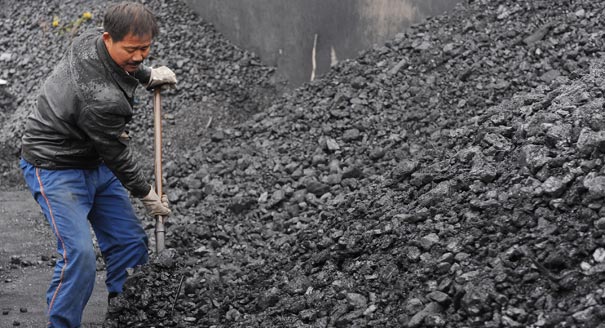
China and the United States are the world’s two largest coal producing economies and account together for more than 60 percent of global coal consumption.