Carnegie Moscow Center

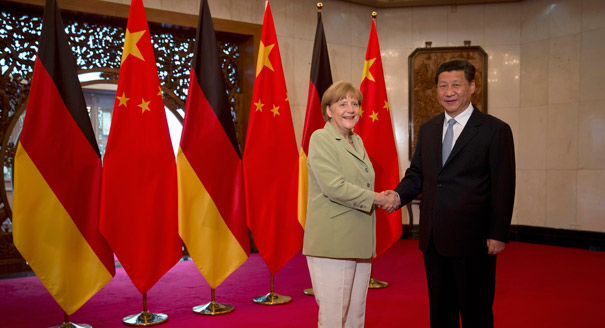
Crises in Greece and Ukraine have established Germany as a key European power, yet they also have demonstrated how Germany’s power can polarize the continent and present risks to the European project.
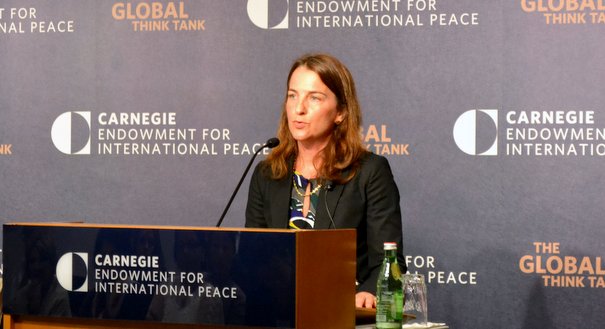
In advance of the 70th annual session of the UN General Assembly, Assistant Secretary of State for International Organization Affairs Sheba Crocker discussed the U.S. priorities and preview some of the key events and activities during the Assembly’s High-Level Week.
U.S. Senator Chris Coons (D-DE), a leading member of the Senate Foreign Relations Committee, offered his thoughts on the Iran nuclear agreement and its implications for U.S. policy in the Middle East.
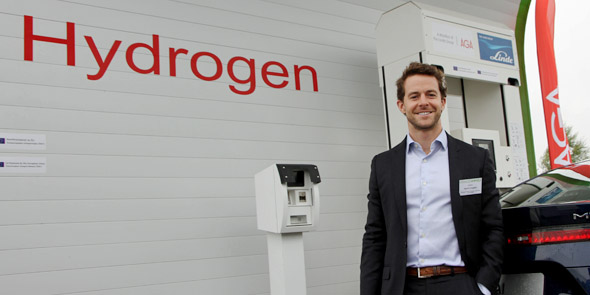
The Oil-Climate Index is a critical tool for the alternative fuel sector.
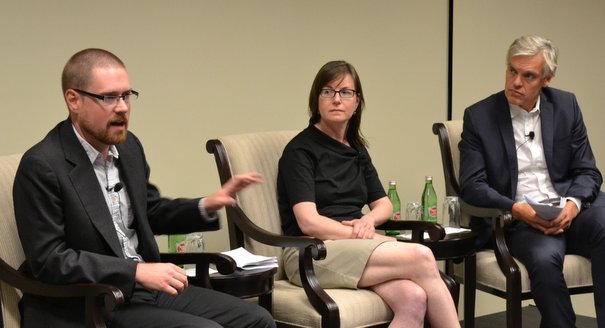
Saving Mes Aynak, a 2014 award-winning documentary film, chronicles one Afghan archaeologist’s fight to save a 5,000-year-old Buddhist site from ruin.
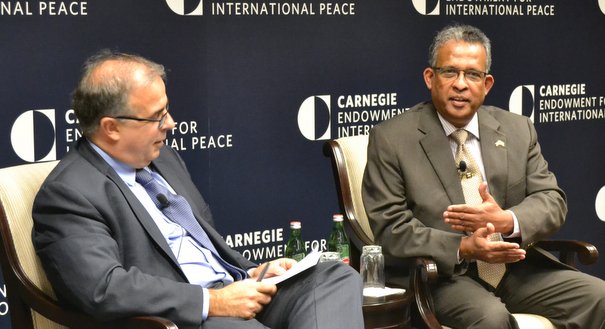
By decisively rejecting former President Mahinda Rajapaksa’s comeback bid, Sri Lankan voters also validated the new government’s foreign policy orientation and opened the way for a greater rapprochement with the West. However, much more must be done to rebuild the U.S.-Sri Lanka relationship.
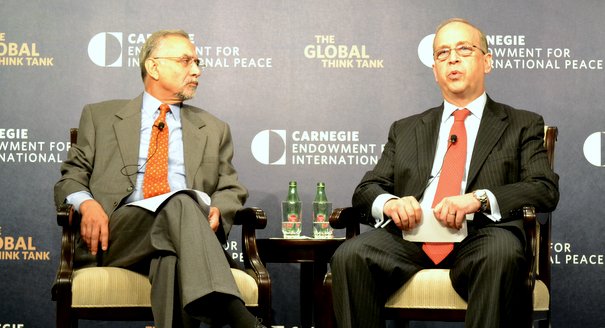
Fresh from a trip to Yangon and Naypyidaw, the top U.S. diplomat for East Asia and the Pacific will give an update on policy toward Myanmar as the country gears up for historic elections. Carnegie’s Vikram Nehru will moderate.
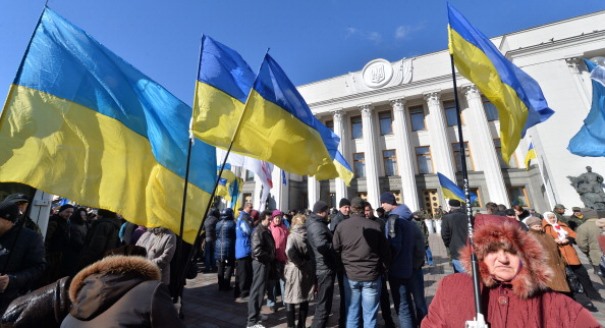
The recent violent protests in Kyiv during parliamentary debates about constitutional changes and autonomy for eastern Ukraine underscore the country’s daunting domestic challenges.
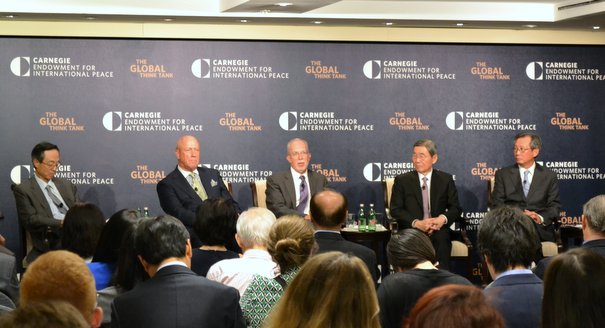
The U.S.–South Korea relationship is one of enduring friendship and mutual respect, but is nonetheless challenged by events, especially those involving North Korea.
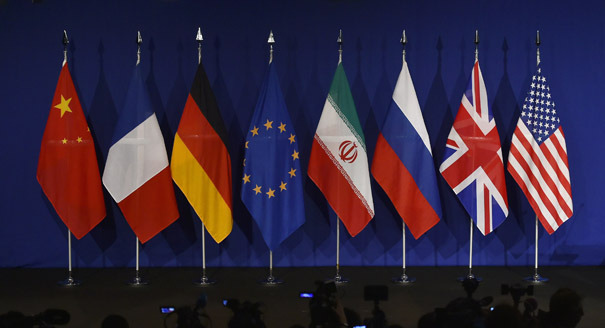
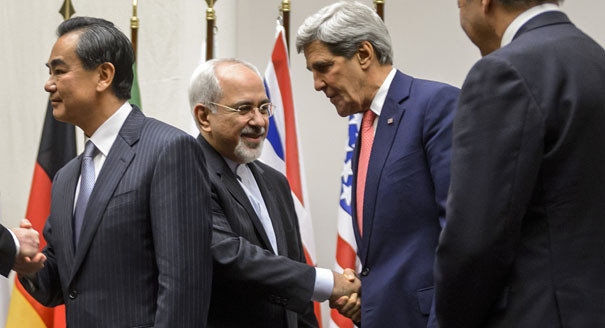
Europe’s role in and response to the Iran deal has been a major issue during the current congressional debate. Will European nations increase their nuclear-related sanctions against Iran if Congress rejects the Joint Comprehensive Plan of Action in hope of a “better deal?”