Carnegie Moscow Center

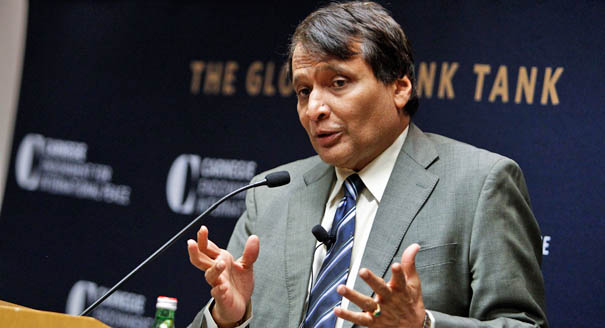
India’s transportation infrastructure needs are enormous. After decades of underinvestment, Prime Minister Narendra Modi’s government has embarked on a concerted effort to upgrade all elements of India’s transportation networks.
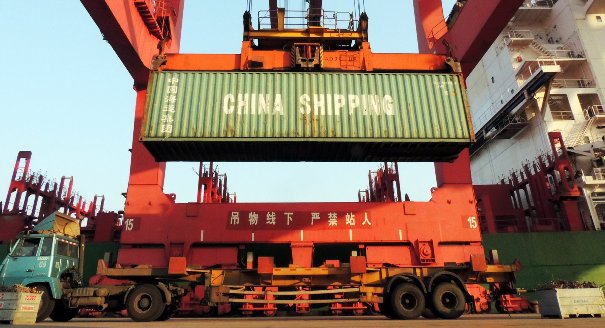
On January 14, Carnegie Moscow Center’s Russia in the Asia Pacific Program hosted a meeting between the Russian China experts and Michael Pettis.
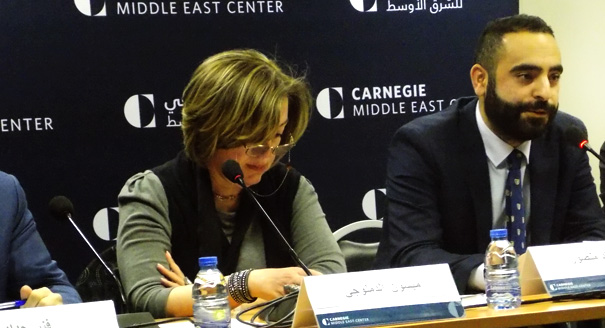
Today, two-thirds of Iraqis think that their country is headed in the wrong direction, and party and leader favorability ratings are at all-time lows.
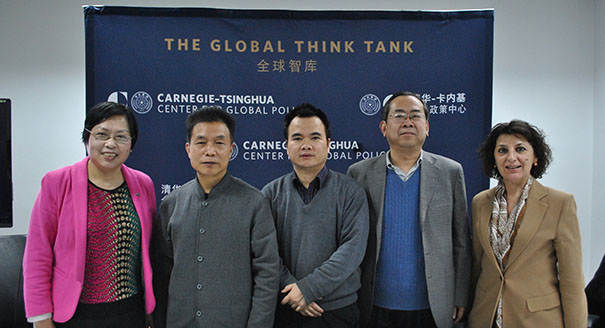
China’s foreign policy evolution is guided in part by principles derived from traditional Chinese culture.
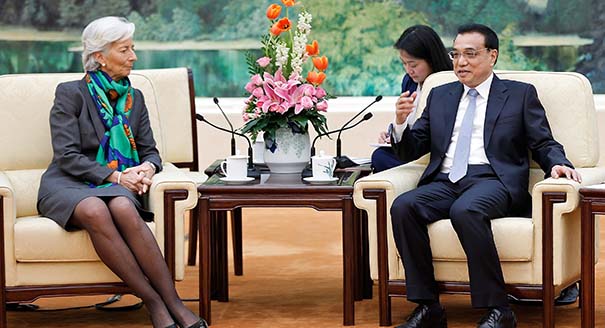
The IMF’s acceptance of the renminbi is a significant symbolic milestone for the Chinese government's attempt to broaden the currency's international role.

Experts from Carnegie and the University of Calgary will discuss the results of the COP21 Climate Change Talks.
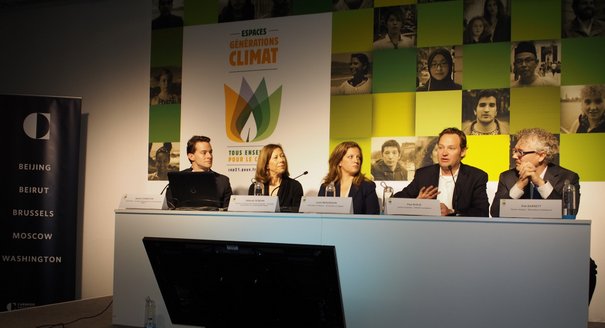
The International Energy Agency forecasts that oil will remain the world’s largest energy source for the next several decades, even as action on climate change ramps up. What roles will regulation, innovation, and competition play in the oil sector in the years ahead?
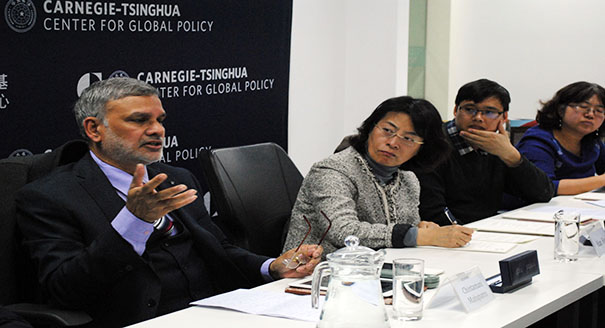
The complex nuclear dimension of security interactions between China, India, and the United States warrant timely conversations about how stable, constructive ties can be maintained.

The use of technology in the field of peacebuilding is on the rise, as novel approaches to fostering and promoting peace are needed to tackle persistent conflict.
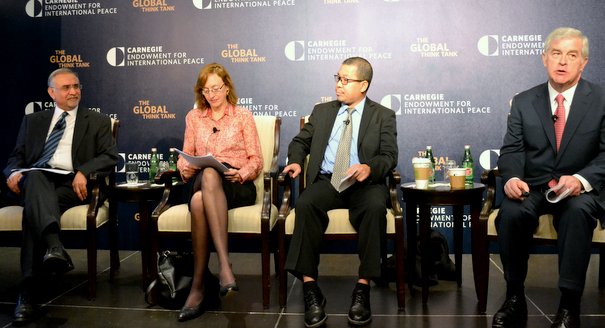
Myanmar’s new parliament will begin deliberations in late January 2016, and a new president will be elected in March. But there is no certainty that the transfer of power will be smooth or peaceful—or whether it will happen at all.