Carnegie Moscow Center

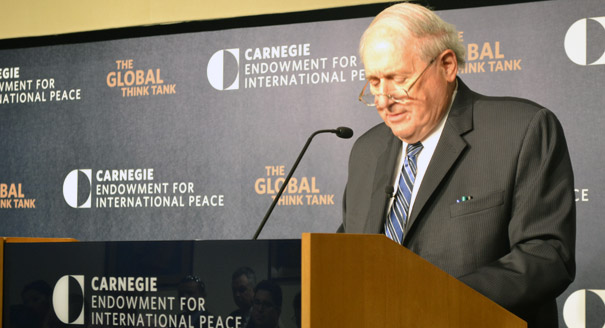
Senator Carl Levin will discuss the impact the situation in Syria is having on the region and the implications for U.S. national security interests.
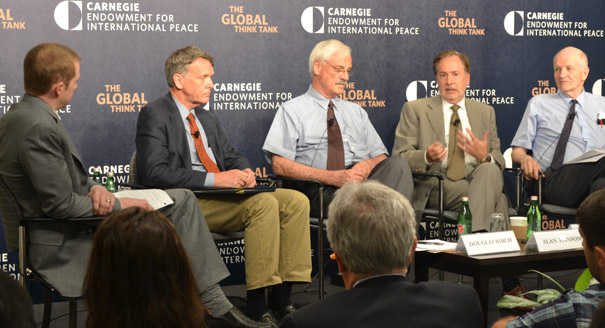
The single most costly U.S. nonproliferation program currently underway faces a cloudy future in Washington.
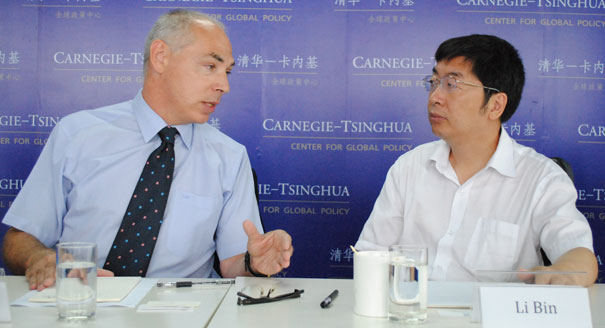
The Middle East will continue to remain a focus in arms control efforts even as the United States gradually withdraws from the region.
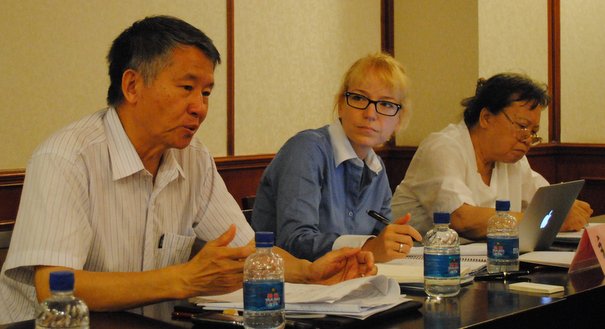
There are growing signs that strategic relations between China and Russia are on an upswing. Yet the nuclear and strategic relationship between these two powers remains largely unexamined, as do their long-term prospects for cooperation.
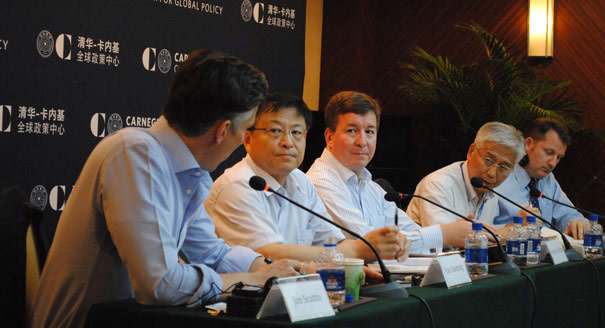
On the heels of Chinese President Xi Jinping and U.S. President Barack Obama’s historic meeting at the Sunnylands Estate in California, analysts seek to assess what was achieved, and the implications for U.S.-China relations moving forward.
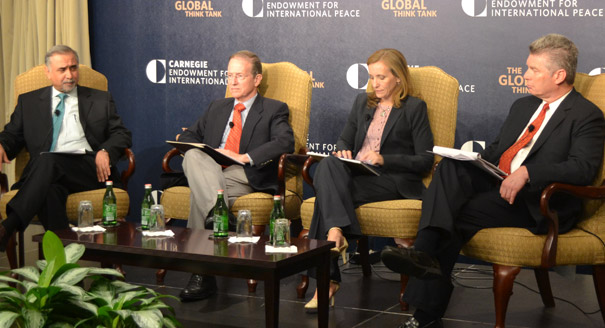
Resolving protracted subnational conflicts in Southeast Asia has been a challenge for decades.
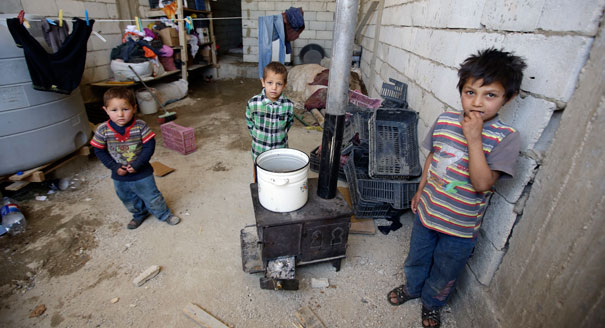
The ongoing armed conflict in Syria is forcing Syrians to take refuge in neighboring countries, causing an especially predictable negative impact on Lebanon. This spillover effect not only changes the dynamics of Lebanon’s social, economic, and political equation, but also creates wider implications for the region.
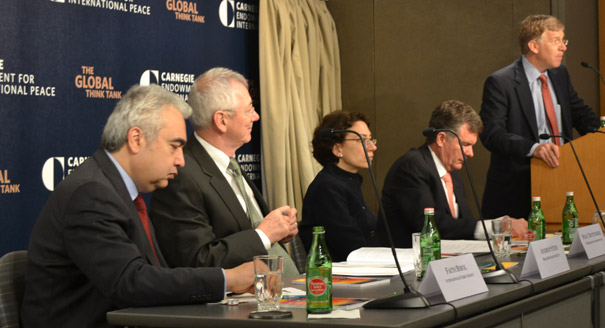
The International Energy Agency's special report, Redrawing the Energy-Climate Map, seeks to bring climate change back into the spotlight and provide analysis and insights intended to support great climate action by all nations.
Ten years after its initial release, Black Garden remains the definitive account of war and peace between Armenia and Azerbaijan, and the conflict over Nagorny Karabakh.
Participants discussed the measures of progress and regression commonly associated with transitions and attempted to glean lessons from other similar global experiences.