Carnegie Moscow Center

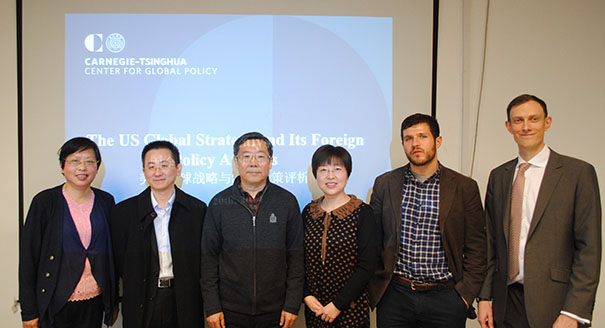
The United States is recalibrating its public diplomacy efforts to promote U.S. values abroad in response to a lukewarm international reception.
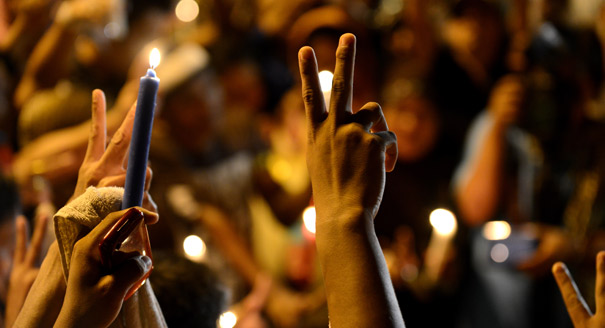
After the EU floundered in its initial response to the Arab Spring, it now has to reconsider some of the fundamental tenets of its strategic approach to the Middle East.
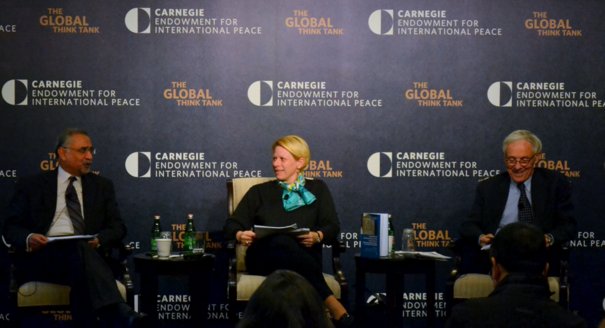
Emerging democracies are periodically vulnerable to legitimacy crises by the expansion of popular participation.
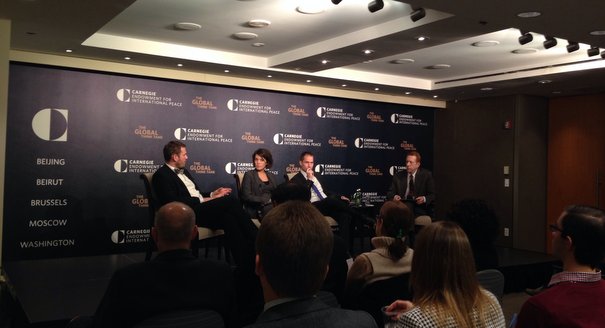
Hungary offers an important example of the problems that an apparently consolidated democracy can encounter. It also poses a test for the European Union and the United States on how to respond when democracy comes under stress in an EU member state.
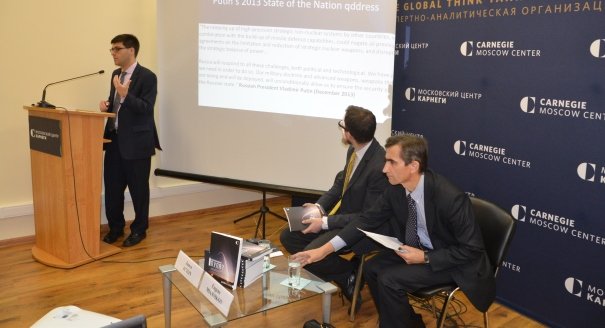
As the world powers develop non-nuclear weapons that can strike distant targets in a short period of time (Conventional Prompt Global Strike, or CPGS, weapons), it is important to raise awareness of this issue, while not trying to advocate for or against such weapons.
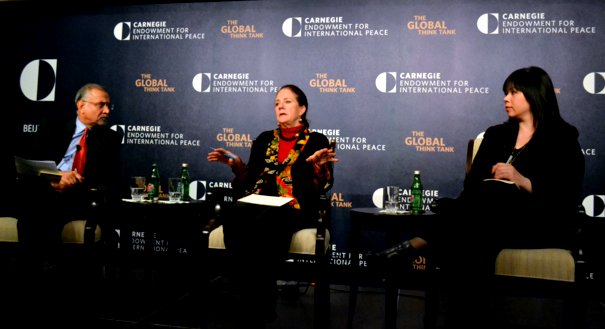
As President Obama travels to Myanmar for the East Asia Summit and U.S.-ASEAN Summit on November 12, pressure on the Myanmar government is mounting to revise its pro-military constitution and enact real reform.
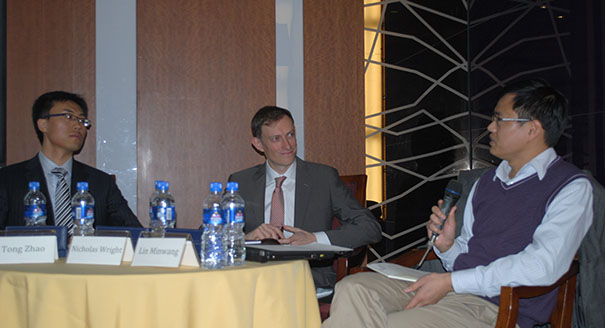
Insights from neuroscience can help to improve strategic decisionmaking in crises and to foster a more stable international order.
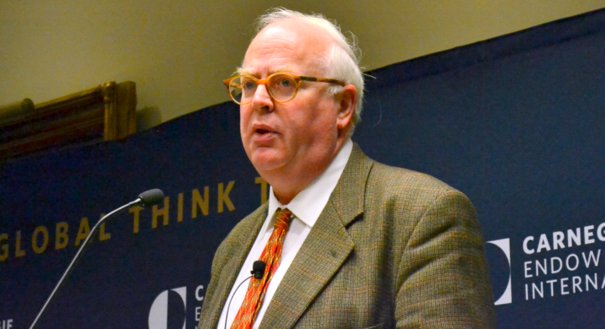
While Afghanistan may be emerging from the period of great uncertainty that followed the fraud-ridden presidential run-off of June 2014, it is far from out of the woods.
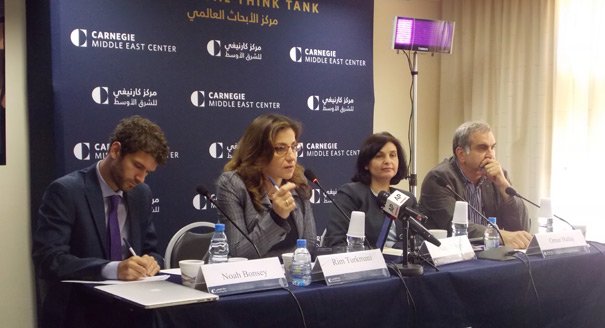
As the war in Syria shows no sign of abating, localized efforts to reach truces and ceasefire agreements inside the country have become the subject of increasing international attention.

Rosewater, a 2014 film written and directed by Jon Stewart, is based on the memoir by Iranian-Canadian journalist Maziar Bahari about his time in Tehran’s notorious Evin prison.