Carnegie Moscow Center

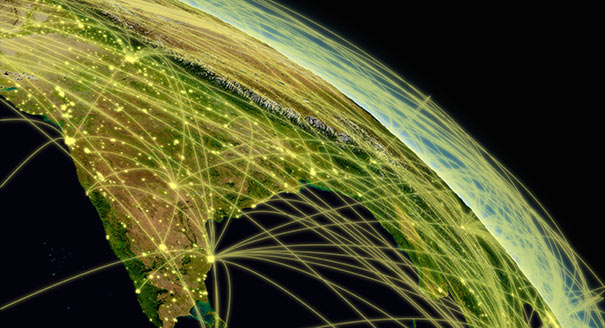
Leading technology innovators, researchers, and entrepreneurs from around the world will engage with regulators, policy experts, and civil society actors in a series of dialogues.
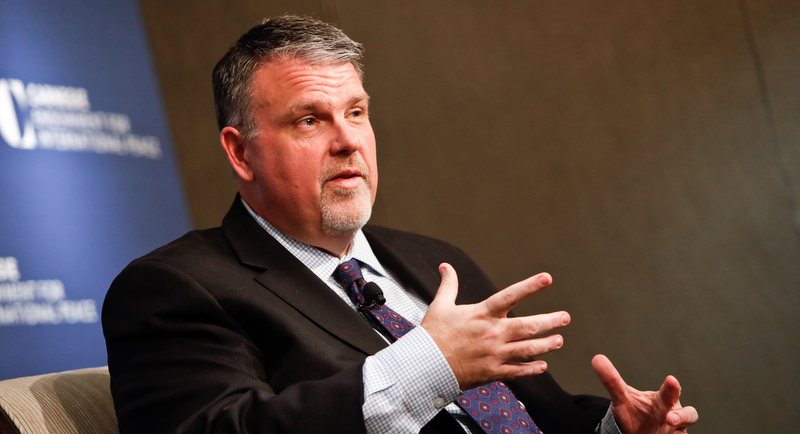
Nicholas J. Rasmussen will discuss the evolving challenges of a complex terrorism threat environment.
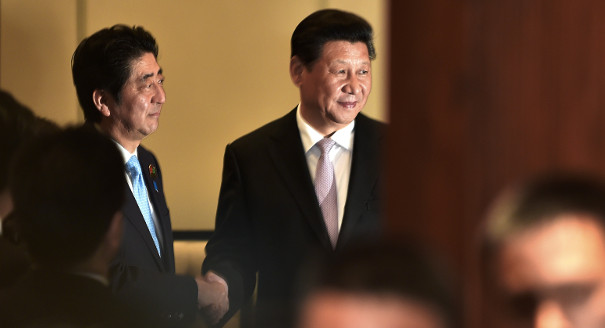
A continually rising and more assertive China presents both risks and opportunities for the international community. The United States and Japan approach China policy issues with many common views but often different priorities or diplomatic tools.

For its democratic transition to survive, Tunisia must simultaneously address the kleptocracy of the previous regime and the emergence of widespread petty corruption.
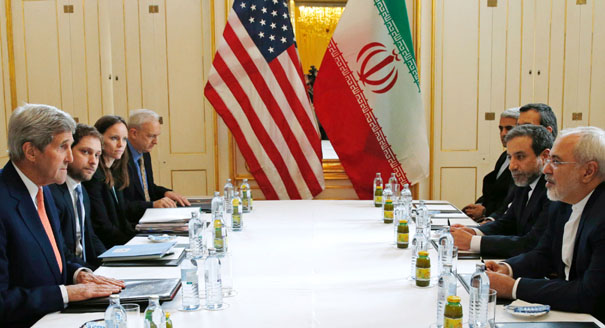
Sanctions are seen as an essential tool for nonproliferation and in some cases prove useful, as with Iran. However, as new challenges such as North Korea loom, are the United States and its partners using sanctions the right way to achieve their objectives?

Confrontation in cyber space is increasingly alarming. To come to grips with cyber power and its implications, people naturally turn to historical analogies.
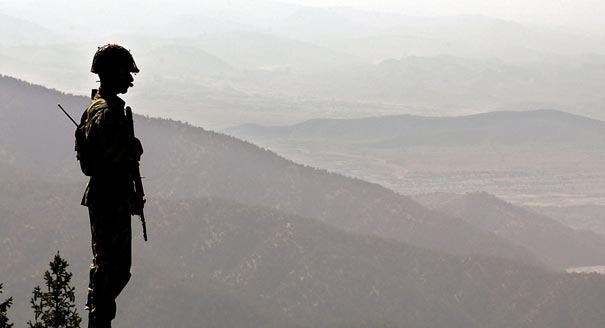
On August 21, U.S. President Donald Trump unveiled his new strategy toward South Asia, highlighting the administration’s concerns regarding the threat of terrorism in the region.
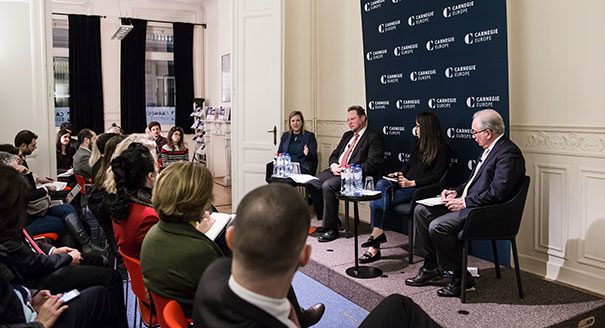
For its democratic transition to survive, Tunisia must simultaneously address the kleptocracy of the previous regime and the emergence of widespread petty corruption.
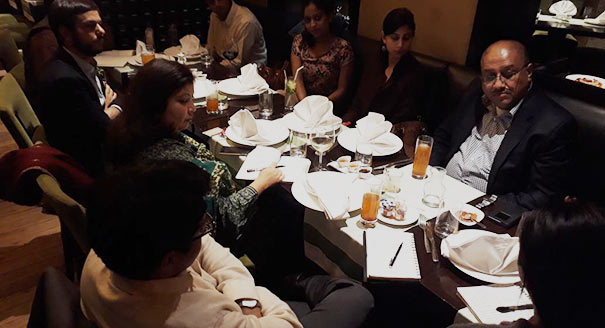
Nepal’s historic parliamentary and provincial elections have opened a new window of political, economic, and geostrategic opportunity.
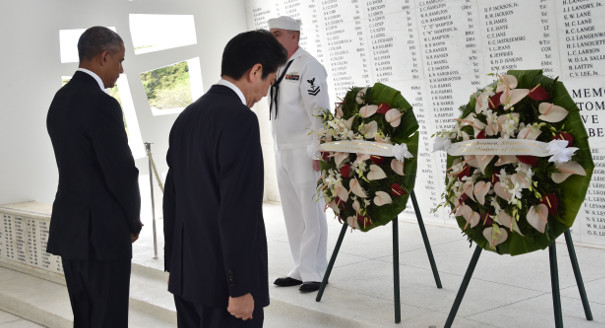
Decades of concerted effort between the United States and Japan has brought about a remarkable level of reconciliation, not only providing significant strategic benefit to both nations, but also contributing to the peace and stability of the international community.